
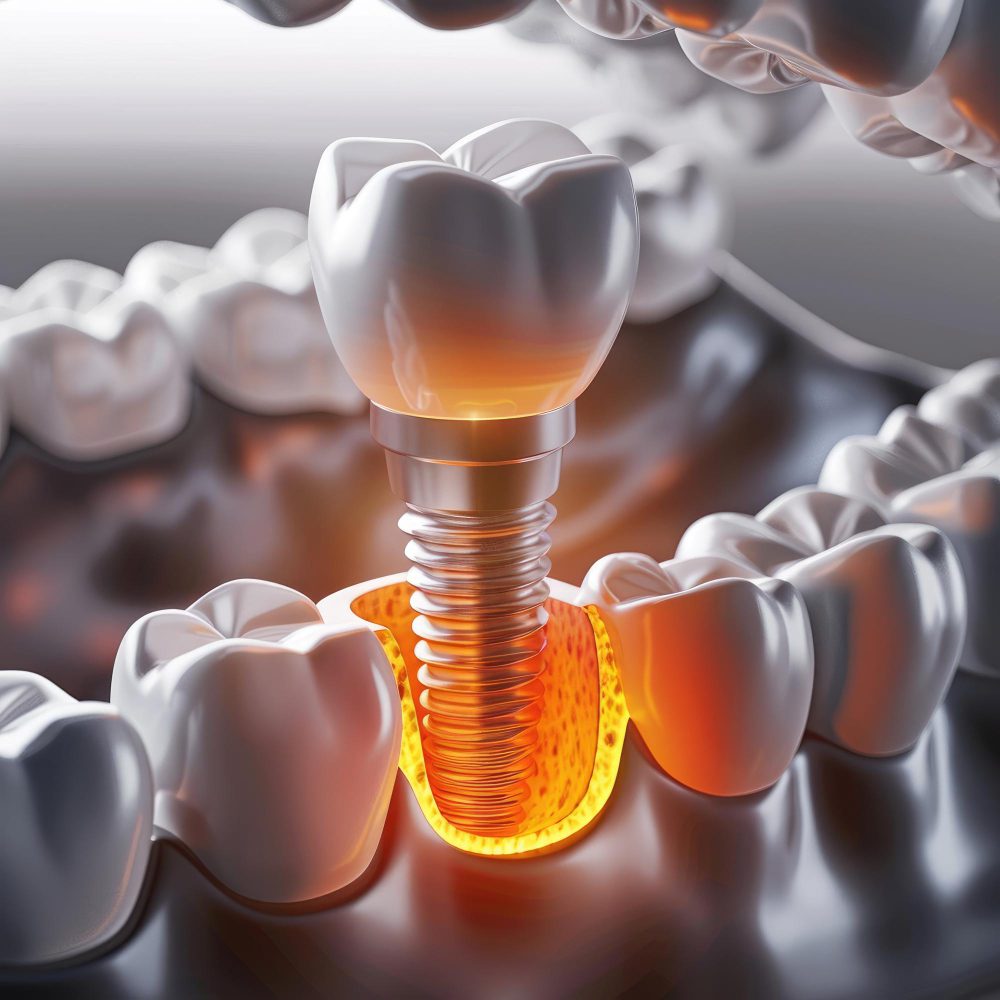
What Are the Signs That a Dental Implant Is Failing?
Dental implants are one of the most successful solutions for replacing missing teeth. However, like any medical procedure, complications can sometimes occur. Understanding the signs of a failing dental implant (Dental Implant Failure) allows patients to seek treatment early and protect their oral health.
Symptoms such as implant movement, persistent pain, swelling, infection, gum problems, or bone loss should never be ignored because they may indicate problems affecting the stability of the implant.
Ask About Your Dental Implant Condition Dental Implants in TurkeyQuick Answer: How Can You Tell If a Dental Implant Is Failing?
- Movement or looseness of the implant (Dental Implant Mobility).
- Persistent pain around the implant area.
- Pain when pressing on the dental implant.
- Swelling, redness, or bleeding around the gums.
- Pus formation or unpleasant taste.
- Progressive bone loss around the implant (Peri-implant Bone Loss).
- Difficulty chewing or changes in bite.
A successful dental implant should feel stable, comfortable, and function like a natural tooth. Any unusual change should be evaluated by an experienced implant dentist.
Dental implant failure rarely happens without warning. In many cases, the surrounding tissues show early signs before complete failure develops. Early diagnosis can improve treatment options and prevent further complications.
Understanding Dental Implant Failure
Dental Implant Failure (Dental Implant Failure) refers to a situation where an implant cannot maintain proper stability, function, or health within the jawbone and surrounding tissues.
The long-term success of an implant depends on a biological process called Osseointegration (Bone-to-Implant Integration). During this process, the jawbone forms a strong connection with the implant surface, creating a stable foundation for the dental crown.
When this connection does not develop properly, or when infection and bone loss affect the implant over time, complications may occur.
Early Dental Implant Failure (Early Implant Failure)
Occurs during the healing period when the implant does not successfully integrate with the surrounding bone.
Late Dental Implant Failure (Late Implant Failure)
Develops months or years after successful treatment due to infection, bone loss, excessive forces, or tissue problems.
Mechanical Implant Problems (Mechanical Complications)
May involve implant components, screws, abutments, or problems with the final restoration.
10 Warning Signs That a Dental Implant May Be Failing
A failing dental implant usually does not happen overnight. The body and surrounding tissues often show warning signals before the implant loses complete stability.
Recognizing these symptoms early allows the dentist to evaluate the implant condition and choose the most appropriate treatment before the problem becomes more advanced.
1. Dental Implant Movement (Dental Implant Mobility)
One of the strongest warning signs of implant failure is feeling movement in the implant after the healing period.
A healthy implant should remain firmly connected to the jawbone. Movement may indicate problems with Osseointegration (Bone-to-Implant Integration) or loss of supporting bone.
2. Persistent Dental Implant Pain
Mild discomfort immediately after implant surgery is expected. However, continuous pain months after placement is not considered normal.
Persistent pain may be related to infection, inflammation, excessive pressure, or problems affecting the surrounding tissues.
3. Pain When Pressing on Dental Implant
Pain when pressing on a dental implant can indicate inflammation around the implant or problems affecting the supporting structures.
Patients experiencing this symptom should avoid delaying professional evaluation.
4. Swollen or Red Gums Around the Implant
Healthy implant tissues should not remain swollen, painful, or irritated.
Persistent gum inflammation may be an early indication of Peri-implantitis (Inflammatory Disease Around Dental Implants).
5. Bleeding Around the Implant
Bleeding during brushing or flossing around an implant may suggest inflammation of the surrounding soft tissues.
Early detection is important because untreated inflammation may progress and affect the supporting bone.
6. Pus Formation or Bad Taste
The presence of pus, unpleasant taste, or persistent bad smell near an implant can indicate bacterial infection.
These signs should not be ignored because infections around implants can progress without immediate treatment.
7. Bone Loss Around the Implant (Peri-implant Bone Loss)
Dental implants require sufficient bone support to remain stable.
Progressive bone loss around the implant may weaken its foundation and increase the risk of implant failure.
8. Changes in Bite or Chewing Comfort
A dental implant should function naturally with the surrounding teeth.
A sudden change in bite, discomfort while chewing, or feeling that the implant crown hits first may indicate a mechanical or biological problem.
9. Gum Recession Around the Implant
Loss of gum tissue around an implant may expose part of the implant surface and affect both aesthetics and health.
Gum recession can be associated with inflammation, insufficient tissue support, or implant positioning problems.
10. Loose Implant Crown or Components
Sometimes the implant itself is stable, but the crown, screw, or abutment may become loose.
A professional examination is necessary to determine whether the problem is mechanical or related to implant stability.
Normal Implant Healing vs Signs of Implant Failure
Many patients worry about normal healing symptoms after implant surgery. Understanding the difference between expected recovery and warning signs helps avoid unnecessary concern while identifying real complications.
| Normal Healing Signs | Possible Implant Failure Signs |
|---|---|
| Mild swelling during the first few days after surgery. | Swelling that continues or appears months later. |
| Temporary discomfort controlled with medication. | Persistent or increasing implant pain. |
| Minor gum sensitivity during healing. | Bleeding, pus, or infected gum tissue. |
| Gradual improvement every week. | Symptoms becoming worse over time. |
| Stable implant after healing. | Implant movement or looseness. |
| Normal adjustment to a new crown. | Difficulty chewing or abnormal bite pressure. |
Peri-implantitis: One of the Main Causes of Dental Implant Failure
One of the most common causes of late implant failure is Peri-implantitis (Inflammatory Disease Around Dental Implants).
This condition occurs when bacteria accumulate around the implant and cause inflammation in the surrounding gum and bone tissues.
Unlike natural teeth, implants do not have the same biological attachment system as tooth roots. Therefore, inflammation around implants can progress differently and requires specialized care.
Common Symptoms of Peri-implantitis Include:
- Bleeding around the implant.
- Redness and swelling of the gums.
- Pain or tenderness around the implant area.
- Bad taste or unpleasant odor.
- Pus discharge.
- Gum recession around the implant crown.
- Progressive bone loss visible on dental imaging.
Why Early Diagnosis of Implant Problems Is Important
Ignoring early warning signs can allow minor inflammation to develop into larger problems involving bone loss and implant instability.
Protect Remaining Bone
Early treatment may help prevent unnecessary bone destruction around the implant.
Avoid Complex Procedures
Detecting problems early may reduce the need for advanced surgical treatments.
Maintain Oral Function
A stable implant supports comfortable chewing, speaking, and daily confidence.
What Causes Dental Implant Failure?
Dental implants have one of the highest success rates in modern dentistry. However, several biological, mechanical, and patient-related factors can affect implant stability and long-term success.
Understanding the causes of failure helps patients choose proper treatment planning and maintain their implants successfully for many years.
1. Failure of Osseointegration (Bone-to-Implant Integration)
Successful dental implants require a strong biological connection between the implant surface and the jawbone.
If this process does not happen correctly, the implant may remain unstable and fail during the early healing period.
2. Infection Around the Implant
Bacterial infection can affect the tissues supporting the implant and lead to inflammation and bone loss.
The most common condition associated with this problem is Peri-implantitis (Inflammatory Disease Around Dental Implants).
3. Insufficient Bone Volume
Dental implants need adequate bone support. When bone quality or quantity is insufficient, implant stability may be compromised.
Advanced planning and bone evaluation are essential before implant placement.
4. Excessive Implant Loading
Too much pressure on an implant before complete healing can interfere with successful integration.
Incorrect bite balance, teeth grinding (Bruxism), or poorly designed restorations may increase stress on implants.
5. Poor Oral Hygiene
Dental implants require professional maintenance and daily cleaning.
Accumulated plaque around implants increases the risk of gum inflammation and implant complications.
6. Smoking and Lifestyle Factors
Smoking may negatively affect blood circulation, healing capacity, and the health of tissues surrounding dental implants.
7. Incorrect Treatment Planning
Implant position, surgical technique, implant selection, and prosthetic design all influence long-term success.
Proper diagnosis before surgery is one of the most important factors in preventing complications.
8. Inexperienced Implant Placement
Implant dentistry requires detailed knowledge of bone anatomy, surgical principles, and prosthetic planning.
Incorrect placement may create functional or biological complications.
9. Medical Conditions
Certain uncontrolled medical conditions may influence healing and implant success.
A complete medical history should always be considered before implant treatment.
Can All-on-4, All-on-6, or All-on-8 Dental Implants Fail?
Full-mouth implant solutions such as All-on-4, All-on-6, and All-on-8 provide fixed teeth for patients with multiple missing teeth. Like individual implants, these treatments can experience complications if biological or mechanical problems occur.
| Treatment | Possible Failure Concerns | Important Considerations |
|---|---|---|
| All-on-4 Dental Implants | Overloading, infection, implant integration problems, or bone loss. | Requires accurate implant positioning and careful bite planning. |
| All-on-6 Dental Implants | Peri-implantitis, screw problems, or restoration complications. | Provides additional support with more implant distribution. |
| All-on-8 Dental Implants | Possible biological or mechanical complications affecting individual implants. | Often selected when maximum support and stability are required. |
Failure of one implant in a full-arch treatment does not always mean the entire restoration has failed. The dentist must evaluate the affected implant, surrounding bone, and prosthetic design before deciding on treatment.
How Is a Failing Dental Implant Diagnosed?
Diagnosing implant failure requires a complete evaluation rather than relying on one symptom alone.
The dentist combines clinical examination, patient symptoms, and dental imaging to determine the exact cause of the problem.
Clinical Examination
The dentist checks implant stability, gum condition, bite relationship, and signs of infection.
Dental X-rays
Radiographic evaluation helps detect bone changes and problems around the implant area.
CBCT Imaging (Cone Beam Computed Tomography)
Three-dimensional imaging provides detailed information about bone structure, implant position, and surrounding tissues.
During diagnosis, the dentist may evaluate:
- Is the implant stable or mobile?
- Is there bone loss around the implant?
- Is infection present?
- Is the problem related to the implant or the crown?
- Is the bite creating excessive pressure?
- Can the implant be treated or should it be removed?
Can a Failed Dental Implant Be Saved?
The answer depends on the cause, severity, and timing of the implant problem. Not every dental implant complication requires immediate removal. In many cases, early diagnosis allows the dentist to treat the surrounding tissues or correct the underlying issue.
A complete evaluation is necessary to determine whether the implant can be maintained or whether removal and replacement provide a better long-term result.
Treating Early Inflammation
If inflammation is detected at an early stage, professional cleaning, improved oral hygiene, and targeted treatment may help control the condition.
Managing Peri-implantitis
Treatment may include removing bacterial deposits, cleaning the implant surface, controlling infection, and managing bone loss depending on the severity.
Correcting Bite Problems
If excessive forces are affecting the implant, adjusting the crown or bite relationship may reduce pressure and protect implant stability.
Replacing a Failed Implant
When an implant loses stability or severe bone damage occurs, removal and future replacement may be considered after proper healing.
When Does a Dental Implant Need to Be Removed?
Implant removal is considered only when the implant cannot provide a healthy and stable foundation or when keeping it may negatively affect surrounding tissues.
Common reasons for implant removal include:
- Severe implant mobility.
- Advanced bone loss around the implant.
- Persistent infection that does not respond to treatment.
- Failure of bone integration.
- Mechanical problems that cannot be corrected.
- Implant position causing functional or biological complications.
After removal, the dentist evaluates the bone condition and determines whether additional procedures such as bone regeneration (Bone Grafting) are needed before placing a new implant.
| Situation | Possible Approach |
|---|---|
| Mild gum inflammation around implant | Professional cleaning and infection control. |
| Early peri-implantitis | Non-surgical or surgical treatment depending on bone involvement. |
| Loose crown but stable implant | Repair or replacement of prosthetic components. |
| Loose implant with bone loss | Possible implant removal and future replacement planning. |
| Failed integration during healing | Removal, healing period, and reassessment for new implant placement. |
How Can You Prevent Dental Implant Failure?
Although dental implants have excellent success rates, long-term maintenance plays an essential role in protecting the implant and surrounding tissues.
Choose Proper Treatment Planning
A detailed examination of bone quality, gum condition, bite forces, and overall oral health is essential before implant placement.
Maintain Excellent Oral Hygiene
Daily brushing, interdental cleaning, and professional maintenance help reduce bacterial accumulation around implants.
Attend Regular Implant Checkups
Periodic examinations allow dentists to detect early signs of inflammation or bone changes.
Avoid Smoking
Stopping smoking improves healing and supports healthier implant tissues.
Protect Implants From Excessive Forces
Patients with teeth grinding may benefit from protective solutions such as night guards.
Follow Post-Operative Instructions
Proper care after surgery supports healing and reduces complication risks.
Why Choose Professional Dental Implant Treatment in Turkey?
Successful implant treatment is not only about placing an implant. It requires accurate diagnosis, advanced technology, experienced surgeons, proper restoration planning, and long-term follow-up.
Advanced Diagnosis
Modern imaging and digital planning help evaluate bone structure and implant position before treatment.
Experienced Implant Specialists
Proper surgical knowledge and experience are essential factors in achieving predictable results.
Complete Treatment Planning
From implant placement to final crown restoration, every stage should be carefully coordinated.
At Dental Implants in Turkey , implant treatments are planned according to each patient's bone condition, oral health, aesthetic expectations, and functional requirements.
What Are the Signs That a Dental Implant Is Failing? Final Conclusion
Dental implants are designed to provide long-term stability and function. However, like any dental treatment, complications can occur if biological, mechanical, or maintenance-related problems develop.
A successful dental implant should feel stable and comfortable during daily activities such as chewing and speaking. Any unusual changes around the implant area should be evaluated by an experienced implant dentist.
Early diagnosis is one of the most important factors in protecting implant health. Problems such as inflammation, early infection, or bite-related pressure may often be managed more successfully when detected at an early stage.
At Dental Implants in Turkey , every implant case is evaluated individually using clinical examination, advanced imaging, and personalized treatment planning to achieve safe and predictable results.
Frequently Asked Questions About Dental Implant Failure
What are the first signs that a dental implant is failing?
The first signs may include unusual pain, gum inflammation, bleeding, discomfort while chewing, or feeling movement in the implant. Early evaluation can help prevent more serious complications.
Can a dental implant fail after several years?
Yes. Late dental implant failure can occur years after successful treatment due to infection, peri-implantitis, bone loss, excessive biting forces, or inadequate maintenance.
Is a loose dental implant always a sign of failure?
Implant movement after healing is not considered normal and requires evaluation. However, sometimes the problem may involve the crown or screw rather than the implant itself.
Why does my dental implant hurt when I press on it?
Pain when pressing on a dental implant may indicate inflammation, infection, excessive pressure, or problems affecting the surrounding bone and tissues.
Can an infected dental implant be treated without removal?
In some cases, early infection or peri-implantitis can be managed with professional treatment. The appropriate approach depends on the severity of inflammation and bone involvement.
What is peri-implantitis?
Peri-implantitis is an inflammatory condition affecting the tissues around dental implants. It can cause gum inflammation and progressive bone loss if untreated.
Can peri-implantitis cause dental implant failure?
Yes. Advanced peri-implantitis can damage the supporting bone and reduce implant stability, potentially leading to implant failure.
How is dental implant failure diagnosed?
Diagnosis includes clinical examination, implant stability testing, dental X-rays, and sometimes CBCT imaging to evaluate bone and surrounding structures.
Can a failed dental implant be replaced?
In many cases, replacement is possible after removing the failed implant, allowing proper healing, and evaluating the bone condition.
How long should dental implants last?
With proper planning, oral hygiene, and regular maintenance, dental implants can function successfully for many years.
Does smoking increase dental implant failure risk?
Yes. Smoking can negatively affect healing, blood supply, and the health of tissues surrounding dental implants.
Can poor oral hygiene damage dental implants?
Yes. Plaque accumulation around implants increases the risk of gum inflammation and peri-implant diseases.
Can All-on-4 dental implants fail?
Yes. Although All-on-4 treatments have high success rates, complications may occur due to infection, bone problems, excessive forces, or other factors.
Can All-on-6 or All-on-8 implants fail?
Like all implant treatments, All-on-6 and All-on-8 systems require proper planning, surgical expertise, and long-term maintenance.
How can I prevent dental implant failure?
Maintaining excellent oral hygiene, attending regular checkups, avoiding smoking, and following professional recommendations are essential for long-term implant health.
Is pain after dental implant surgery normal?
Mild pain and swelling during the early healing period are expected. However, increasing or persistent pain after healing should be evaluated.
Can bone loss around an implant be treated?
Treatment depends on the amount and location of bone loss. Some cases may benefit from regenerative procedures, while advanced cases may require implant removal.
What happens if a dental implant is not treated after warning signs appear?
Ignoring symptoms may allow inflammation or bone loss to progress, making future treatment more complicated.
Does implant failure mean the dentist made a mistake?
Not necessarily. Implant complications can result from multiple biological, mechanical, or patient-related factors. Proper diagnosis is required to determine the cause.
3 Responses