Can Diabetic Patients Get Dental Implants?
Yes, many diabetic patients can get dental implants safely, especially when blood sugar is well controlled, gum health is stable, and the treatment is carefully planned by an experienced implant dentist.
If you have diabetes and you are missing one tooth, several teeth, or a full arch, you may wonder whether dental implants are safe for your condition. The good news is that diabetes does not automatically prevent you from having dental implants. In many cases, diabetic patients can receive implants successfully when their blood sugar is controlled and the treatment is performed with a careful medical and dental protocol.
At Dental Implants in Turkey, implant treatment for diabetic patients is planned with a detailed evaluation of oral health, bone condition, gum stability, medical history, healing capacity, and diabetes control. The goal is not only to place implants, but to create a safe, predictable, and long-lasting result.
This guide explains whether diabetic patients can get dental implants, when implants are considered safe, what risks should be managed, how blood sugar control affects healing, and what steps can improve implant success.
Quick Answer: Are Dental Implants Safe for Diabetics?
Dental implants are generally considered possible for many diabetic patients, especially when diabetes is well controlled, oral hygiene is good, gum disease is treated, and the patient follows post-operative instructions carefully.
The main concern is not diabetes itself, but uncontrolled diabetes. High blood sugar may slow healing, increase inflammation, raise the risk of infection, and affect the way bone integrates with the implant. For this reason, a diabetic patient should never be treated with a “one-size-fits-all” approach.
Why Diabetes Matters in Dental Implant Treatment
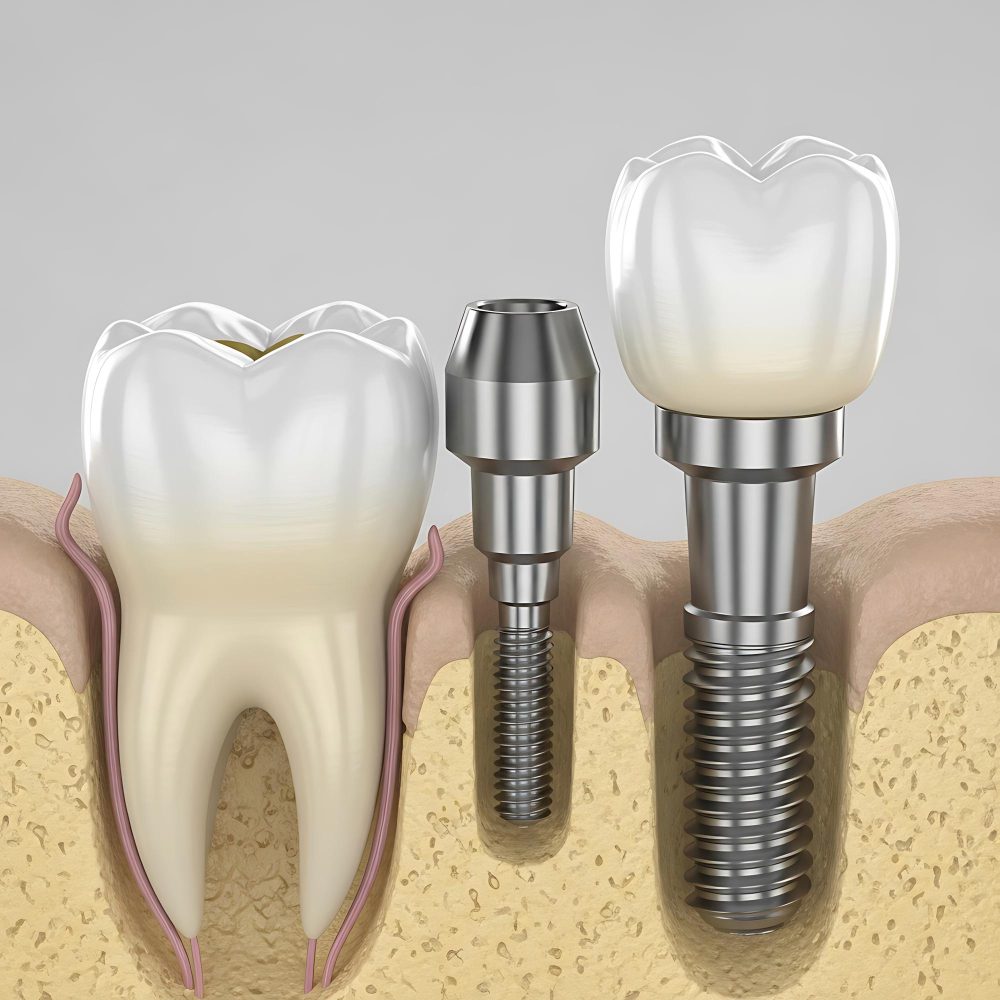
A dental implant is a titanium or zirconia post placed into the jawbone to replace a missing tooth root. After placement, the implant must fuse with the surrounding bone through a process called osseointegration. This healing phase is essential for implant stability and long-term success.
Diabetes can affect several biological processes involved in implant healing, including blood circulation, immune response, inflammation control, gum health, and bone repair. When blood sugar is high for a long period, the body may become less efficient at fighting bacteria and repairing tissues after surgery.
This is why diabetic patients need a more careful approach before dental implant surgery. The dentist should evaluate not only the missing teeth, but also the patient’s gum condition, bone volume, oral hygiene, medications, smoking status, and recent diabetes control.
When Is a Diabetic Patient a Good Candidate for Dental Implants?
A diabetic patient may be a good candidate for dental implants when the following conditions are present:
- Blood sugar is controlled or reasonably stable.
- The patient is under medical follow-up for diabetes.
- There is no active uncontrolled gum infection.
- Bone volume is sufficient or can be improved with grafting if needed.
- The patient can maintain excellent oral hygiene.
- The patient does not smoke, or is willing to stop smoking before and after surgery.
- The patient can attend follow-up visits after implant placement.
In some cases, the dentist may request recent medical information such as HbA1c, fasting blood glucose, medication history, and physician clearance. This is especially important for patients with long-term diabetes, delayed wound healing, kidney disease, cardiovascular disease, or a history of frequent infections.
Main Risks of Dental Implants for Diabetic Patients
Dental implants can be successful in diabetic patients, but the risks must be understood and managed. The most important risks include delayed healing, infection, gum inflammation around the implant, bone loss, and implant failure in poorly controlled cases.
1. Delayed Healing
High blood sugar may slow soft tissue and bone healing after implant surgery. This does not mean implants are impossible, but it means the healing period may require more careful monitoring.
2. Higher Infection Risk
Diabetes may reduce the body’s ability to fight bacteria. If oral hygiene is poor or gum disease is present, the risk of infection around the implant can increase.
3. Peri-Implantitis
Peri-implantitis is inflammation and bone loss around a dental implant. Diabetic patients, especially those with poor glycemic control, may have a higher risk of peri-implant complications.
4. Bone Integration Problems
Osseointegration is the process where the jawbone attaches to the implant. Stable blood sugar and good surgical technique are important for predictable implant integration.
How Blood Sugar Control Affects Dental Implant Success
Blood sugar control is one of the most important factors in dental implant treatment for diabetic patients. A patient with controlled diabetes is usually a much better candidate than a patient with uncontrolled diabetes and active oral inflammation.
HbA1c is commonly used to understand average blood sugar control over the previous two to three months. The dentist may ask about HbA1c before starting treatment because it gives a more reliable picture than a single blood sugar reading.
Better glycemic control can support healing, reduce infection risk, improve gum stability, and help the implant integrate with the bone. Poor control, on the other hand, can make the treatment less predictable and may require postponing surgery until the patient’s condition improves.
Type 1 vs Type 2 Diabetes: Does It Change Implant Treatment?
Both Type 1 and Type 2 diabetic patients may be considered for dental implants, but the treatment plan must be individualized. The dentist will focus on control level, healing history, gum health, medication use, and the presence of other medical conditions.
| Factor | Type 1 Diabetes | Type 2 Diabetes |
|---|---|---|
| Implant possibility | Possible in selected controlled cases | Often possible when controlled |
| Main concern | Stable glucose management and healing response | Gum disease, inflammation, and long-term control |
| Planning need | Close medical coordination may be needed | Medical review and periodontal evaluation |
In both types, the safest approach is to start with a detailed consultation, clinical examination, 3D imaging when needed, gum evaluation, and a personalized implant plan.
How Dental Implant Treatment Is Planned for Diabetic Patients
Planning dental implants for diabetic patients requires more than choosing an implant brand or replacing a missing tooth. A complete plan should consider surgical safety, healing time, prosthetic design, bite force, gum health, and long-term maintenance.
Step 1: Medical and Dental Evaluation
The dentist reviews the patient’s diabetes history, medications, healing problems, smoking habits, oral hygiene, gum condition, and missing teeth. If needed, the patient may be advised to speak with their physician before implant surgery.
Step 2: Gum and Bone Assessment
Healthy gums are essential for successful dental implants. If gum disease is present, it should be treated before implant placement. Bone volume is also checked to determine whether standard implants, bone grafting, sinus lifting, or full arch solutions are needed.
Step 3: Choosing the Right Implant Option
The best option depends on the number of missing teeth, bone quality, bite force, budget, and treatment goals. Some patients need one implant, while others may require full-mouth rehabilitation. Patients comparing full-arch solutions can read more about All-on-4 vs All-on-6 vs All-on-8 dental implants .
Step 4: Cost and Treatment Timeline
The cost depends on the number of implants, bone grafting needs, implant system, crown material, and whether the case is single-tooth, multiple-tooth, or full-mouth treatment. For a detailed overview, visit this guide about dental implant cost in Turkey .
Step 5: Follow-Up and Maintenance
Diabetic patients need regular follow-up after implant placement. Professional cleaning, gum checks, implant stability evaluation, and good home care help reduce the risk of inflammation and long-term complications.
What Is the Success Rate of Dental Implants in Diabetic Patients?
One of the most common questions asked by patients is whether diabetes automatically lowers the success rate of dental implants. The answer is more encouraging than many people expect.
Clinical experience and modern implant dentistry show that diabetic patients with good glycemic control can achieve implant success rates comparable to non-diabetic individuals when proper diagnosis, surgical planning, infection control, and maintenance protocols are followed.
The greatest predictor of success is not the diagnosis of diabetes itself, but how well the condition is managed before and after surgery.
| Factor | Effect on Implant Success |
|---|---|
| Controlled blood sugar | Excellent prognosis |
| Healthy gums | Improves long-term stability |
| Smoking | Increases implant complications |
| Poor oral hygiene | Raises infection risk |
| Regular maintenance | Supports implant longevity |
How Should Diabetic Patients Prepare Before Dental Implant Surgery?
Preparation plays a major role in successful implant treatment. A well-prepared patient heals faster and experiences fewer complications.
Before surgery your implant dentist may recommend:
- A complete oral examination.
- Digital panoramic X-rays or 3D CBCT imaging.
- Evaluation of gum health.
- Review of diabetes medications.
- Review of recent HbA1c results when appropriate.
- Professional dental cleaning.
- Treatment of active gum disease.
- Smoking cessation before surgery.
Every treatment plan should be customized according to the patient's medical history rather than using the same protocol for everyone.
Aftercare Tips for Diabetic Patients Following Dental Implant Surgery
Healing does not end after the implant is placed. Proper aftercare is essential to protect the implant during osseointegration.
Recommended post-operative care includes:
- Take medications exactly as prescribed.
- Monitor blood glucose carefully.
- Maintain excellent oral hygiene.
- Avoid smoking.
- Eat soft foods during early healing.
- Attend every scheduled follow-up appointment.
- Report unusual swelling or persistent pain immediately.
Following these recommendations significantly reduces complications and supports healthy implant integration.
Can Diabetic Patients Receive Dental Implants If They Have Bone Loss?
Yes. Bone loss does not automatically eliminate implant treatment as an option.
Modern implant dentistry offers several techniques that allow many patients with reduced bone volume to receive implants safely.
- Bone grafting
- Sinus lift procedures
- Short implants
- Angled implants
- Full-arch implant concepts
The best option depends on the patient's anatomy, diabetes control, and long-term treatment goals.
Are Full Mouth Dental Implants Safe for Diabetic Patients?
Many diabetic patients who have lost most or all of their teeth ask whether they can receive full-mouth rehabilitation.
The answer depends on careful evaluation rather than diabetes alone.
When appropriate, treatments such as All-on-4 or All-on-6 may provide fixed teeth with fewer implants while reducing treatment complexity.
To understand these options in greater detail, visit our guide comparing All-on-4, All-on-6 and All-on-8 dental implants.
Why Many Diabetic Patients Choose Turkey for Dental Implant Treatment
Turkey has become one of the world's leading destinations for implant dentistry thanks to experienced implant specialists, modern digital technology, internationally recognized implant systems, and comprehensive treatment planning.
Patients also benefit from shorter waiting times and complete treatment coordination designed for international visitors.
If you are considering treatment, you can learn more about Dental Implants in Istanbul and compare available treatment options.
Why Choosing the Right Implant Clinic Matters
For diabetic patients, choosing an experienced implant clinic is even more important than choosing a particular implant brand.
Successful treatment requires collaboration between implant surgeons, prosthodontists, and when necessary, the patient's physician.
Every stage—from diagnosis to long-term maintenance—should be carefully coordinated.
Learn why many international patients choose experienced implant teams by reading Best Dental Implant Clinic in Turkey .
Book Your Personalized Consultation
Every diabetic patient has unique medical and dental needs. A personalized examination is the safest way to determine whether dental implants are the right solution for your case.
The specialists at Dental Implants in Turkey provide comprehensive evaluations, advanced digital diagnostics, and customized implant treatment plans for international patients.
Frequently Asked Questions About Dental Implants for Diabetic Patients
Can diabetic patients safely receive dental implants?
Yes. Many diabetic patients can safely receive dental implants when their blood sugar is well controlled, their gums are healthy, and treatment is carefully planned by an experienced implant dentist.
Does diabetes increase the risk of implant failure?
Poorly controlled diabetes may increase the risk of delayed healing, infection, and peri-implant disease. However, patients with stable blood sugar levels often experience excellent long-term outcomes.
Will I need additional medical tests before implant surgery?
Depending on your medical history, your dentist may review recent blood sugar records, HbA1c results, medications, and other health conditions before proceeding with treatment.
How long do dental implants last in diabetic patients?
With proper oral hygiene, regular dental maintenance, and good diabetes control, dental implants can remain functional for many years and often for decades.
Can diabetic patients receive All-on-4 dental implants?
Yes. Many diabetic patients may qualify for All-on-4 or other full-arch implant solutions after a comprehensive clinical examination and treatment planning.
Is implant surgery painful?
Implant surgery is performed under local anesthesia, and most patients report only mild discomfort afterward. Your dentist will provide medication and post-operative instructions to support a comfortable recovery.
Conclusion
Having diabetes does not automatically prevent you from enjoying the benefits of dental implants. Modern implant dentistry has made treatment possible for many diabetic patients through careful diagnosis, personalized planning, advanced surgical techniques, and close post-operative follow-up.
The most important factors are maintaining good blood sugar control, treating gum disease before surgery, following professional oral hygiene recommendations, and choosing an experienced implant team that understands the relationship between diabetes and oral health.
At Dental Implants in Turkey, every treatment plan is individually designed to maximize safety, comfort, and long-term success. Whether you need a single implant, multiple implants, or full-mouth rehabilitation, the clinic provides comprehensive digital diagnostics, evidence-based treatment planning, and personalized care for international patients.
Ready to Restore Your Smile?
Speak directly with our experienced implant team and receive a personalized treatment plan tailored to your medical condition and dental needs.