
Introduction
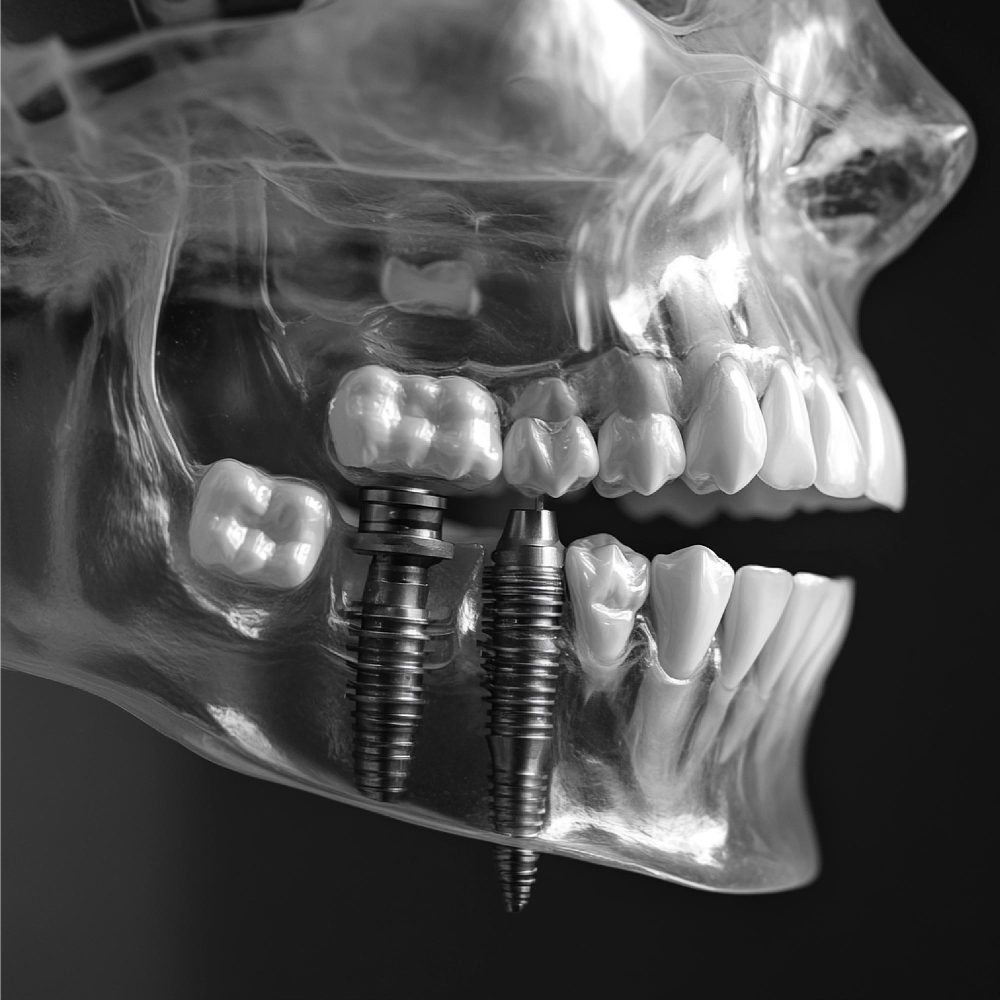
For patients who have lost most or all of their teeth, modern implant dentistry offers several advanced solutions. Among the most popular full-arch implant techniques are All-on-4 dental implants, All-on-6 dental implants, and All-on-8 dental implants. These treatments are designed to replace a full jaw of missing or failing teeth using a fixed prosthetic bridge supported by dental implants.
The main difference between them is simple: All-on-4 uses four implants, All-on-6 uses six implants, and All-on-8 uses eight implants to support a full arch of teeth. However, the real decision is not based only on the number of implants. The best option depends on bone volume, bite force, jaw structure, gum condition, smile goals, budget, and the long-term treatment plan.
Dental implants are widely used to replace missing teeth and support prosthetic teeth such as crowns, bridges, and dentures. They are considered a common surgical tooth replacement option, and once healed, they can function similarly to natural teeth with proper care.
At Dental Implant in Turkey, one of the best dental clinics in Turkey, Istanbul for advanced dental implant treatment, patients receive detailed diagnosis, 3D planning, personalized implant selection, and full-arch rehabilitation options including All-on-4, All-on-6, and All-on-8. The goal is not only to replace missing teeth, but to restore chewing function, facial harmony, confidence, and a natural-looking smile.
What Are Full-Arch Dental Implants?
Full-arch dental implants are a treatment option for patients who are missing all or most of their teeth in one jaw. Instead of placing one implant for every missing tooth, the dentist places a selected number of implants in strategic positions and attaches a fixed bridge over them.
This means the patient can receive a complete set of fixed teeth supported by implants rather than using removable dentures.
Full-arch implant treatment may be used for:
- Patients with complete tooth loss.
- Patients with severely damaged teeth.
- Patients with advanced gum disease.
- Patients with loose dentures.
- Patients who want fixed teeth instead of removable dentures.
- Patients with failing crowns, bridges, or multiple missing teeth.
- Patients seeking full smile rehabilitation.
Dental implants are designed to replace missing teeth and are made from materials compatible with the human body. They act as posts placed in the jawbone to support artificial teeth.
What Is All-on-4?
All-on-4 dental implants are a full-arch restoration technique where four implants are used to support a fixed bridge for one jaw. Usually, two implants are placed in the front area of the jaw and two implants are placed toward the back, often at an angle.
This angled placement can help use the available bone more efficiently and may reduce the need for bone grafting in selected cases. Scientific literature describes the All-on-4 concept as using tilted posterior implants to improve prosthetic support and allow placement in available bone.
Main Features of All-on-4
- Uses 4 dental implants per jaw.
- Often suitable for patients with moderate bone loss.
- May reduce the need for bone grafting in some cases.
- Can support a fixed full-arch bridge.
- Often used for faster full-mouth rehabilitation.
- May be more affordable than All-on-6 or All-on-8.
- Requires precise planning and careful case selection.
Who Is a Good Candidate for All-on-4?
All-on-4 may be suitable for patients who:
- Have lost most or all teeth in one jaw.
- Want fixed teeth instead of removable dentures.
- Have limited bone in the back jaw.
- Need a practical and efficient full-arch solution.
- Want fewer implants than All-on-6 or All-on-8.
- Have good general health for implant surgery.
- Have enough bone in strategic areas.
Advantages of All-on-4
The main advantage of All-on-4 dental implants is that a complete arch can be supported by only four implants. This may make the treatment less invasive and more cost-effective for some patients.
Other benefits include:
- Fixed teeth instead of removable dentures.
- Improved chewing compared to traditional dentures.
- Natural smile appearance.
- Better comfort and stability.
- Fewer implants required.
- Often shorter surgical time.
- Suitable for many full-arch cases.
Limitations of All-on-4
Although All-on-4 is a powerful solution, it is not ideal for every patient.
Possible limitations include:
- Less implant support compared to All-on-6 or All-on-8.
- Higher importance of each implant because only four implants support the full bridge.
- Not ideal for all heavy bite cases.
- May not be suitable if bone quality is poor.
- Requires excellent prosthetic planning.
- Long-term maintenance is essential.
What Is All-on-6?
All-on-6 dental implants use six implants to support a full fixed bridge. Compared to All-on-4, this technique provides additional implant support and may distribute chewing forces more widely across the jaw.
For many patients, All-on-6 can be a strong middle option between the efficiency of All-on-4 and the maximum support of All-on-8.
Main Features of All-on-6
- Uses 6 dental implants per jaw.
- Provides more support than All-on-4.
- Helps distribute chewing pressure more evenly.
- May be suitable for patients with better bone volume.
- Can provide strong stability for a full-arch bridge.
- Often recommended when additional support is beneficial.
Who Is a Good Candidate for All-on-6?
All-on-6 may be suitable for patients who:
- Have enough bone to place six implants.
- Want stronger support than All-on-4.
- Have moderate to strong bite force.
- Need long-term stability for a full bridge.
- Want fixed teeth with improved load distribution.
- Are not ideal candidates for only four implants.
- Have healthy gums and good oral hygiene potential.
Advantages of All-on-6
The biggest advantage of All-on-6 dental implants is stronger support. Because six implants are used, chewing forces can be distributed across more points.
Benefits include:
- More implant support than All-on-4.
- Better force distribution.
- Stronger foundation for a fixed bridge.
- May improve long-term comfort.
- Can be suitable for patients with higher chewing demands.
- Provides a balance between stability and treatment complexity.
Limitations of All-on-6
All-on-6 is not always necessary for every patient.
Possible limitations include:
- Usually costs more than All-on-4.
- Requires more available bone.
- May require more surgical planning.
- Not suitable if bone volume is very limited.
- Healing and treatment stages may be more complex in some cases.
What Is All-on-8?
All-on-8 dental implants use eight implants to support a full fixed dental bridge. This technique is usually considered when maximum support, strong bone volume, and high stability are required.
It may be recommended for patients with good jawbone structure who need strong prosthetic support, especially when the dentist wants to distribute pressure across more implants.
Main Features of All-on-8
- Uses 8 dental implants per jaw.
- Provides maximum support among these three options.
- Requires good bone volume and quality.
- May be ideal for strong bite force cases.
- Can support a highly stable full-arch bridge.
- Often used when long-term load distribution is a major priority.
Who Is a Good Candidate for All-on-8?
All-on-8 may be suitable for patients who:
- Have strong bone volume.
- Need maximum implant support.
- Have a strong bite or high chewing force.
- Want a very stable full-arch restoration.
- Are suitable for more implants surgically.
- Have a treatment plan that benefits from wider implant distribution.
- Want a highly reinforced fixed prosthetic solution.
Advantages of All-on-8
The main advantage of All-on-8 dental implants is support. With eight implants, the bridge may receive strong anchorage across the jaw.
Benefits include:
- Maximum implant support.
- Strong load distribution.
- High stability.
- Suitable for selected complex cases.
- May support long-span restorations effectively.
- Can be ideal when bone quality and quantity are favorable.
Limitations of All-on-8
All-on-8 is not automatically better for everyone. More implants do not always mean a better result if the patient does not need them or does not have enough bone.
Possible limitations include:
- Higher cost.
- More implants and more surgical work.
- Requires strong bone volume.
- May require bone grafting in some patients.
- Longer planning process.
- Not necessary for every full-arch case.
All-on-4 vs All-on-6 vs All-on-8: Main Differences
| Feature | All-on-4 | All-on-6 | All-on-8 |
|---|---|---|---|
| Number of implants | 4 implants per jaw | 6 implants per jaw | 8 implants per jaw |
| Support level | Good | Stronger | Maximum |
| Bone requirement | Lower to moderate | Moderate to good | Good to strong |
| Cost | Usually lower | Medium | Usually higher |
| Surgery complexity | Lower | Moderate | Higher |
| Force distribution | Good | Better | Strongest |
| Suitable for bone loss | Often suitable | Depends on bone | Needs more bone |
| Prosthetic stability | Stable | More stable | Highly stable |
| Treatment goal | Efficient full-arch solution | Strong balanced support | Maximum support |
| Best for | Many full-arch cases | Patients needing extra support | Patients with strong bone and high stability needs |
Which Is Better: All-on-4, All-on-6, or All-on-8?
There is no single best technique for all patients. The best option is the one that matches the patient’s bone condition, oral health, bite force, budget, and long-term treatment goals.
A minimum of four appropriately distributed implants may support a one-piece full-arch fixed prosthesis, but additional implants can offer more options in selected full-arch restorations.
This means All-on-4 can be enough for many patients, while All-on-6 or All-on-8 may be better when the case needs more support.
All-on-4 may be better if:
- You have limited bone in the back jaw.
- You want a less complex full-arch option.
- You need a cost-effective fixed solution.
- You are suitable for angled implants.
- Your bite force is not extremely heavy.
All-on-6 may be better if:
- You have enough bone for six implants.
- You want stronger support than All-on-4.
- You need better distribution of chewing forces.
- You want a balance between strength and cost.
- Your dentist recommends extra stability.
All-on-8 may be better if:
- You have excellent bone volume.
- You need maximum support.
- You have strong chewing forces.
- You want a highly reinforced fixed bridge.
- Your case benefits from wider implant distribution.
Bone Quality: A Key Factor in Choosing the Right Technique
One of the most important factors in choosing between All-on-4, All-on-6, and All-on-8 is bone quality.
Dental implants need enough bone to remain stable. If the bone is thin, weak, or reduced due to long-term tooth loss, gum disease, or infection, the dentist may recommend:
- All-on-4 with angled implants.
- Bone grafting.
- Sinus lift.
- Zygomatic implants in severe upper jaw bone loss cases.
- A staged treatment plan.
- Fewer or more implants depending on bone distribution.
At Dental Implant in Turkey, patients receive detailed implant planning using modern diagnostic tools to determine whether All-on-4, All-on-6, or All-on-8 is the safest and most effective option.
Chewing Force and Bite Pressure
Another major factor is bite force. Patients with strong chewing muscles, grinding habits, or a heavy bite may need stronger implant support.
For example:
- A patient with a normal bite may do well with All-on-4.
- A patient with stronger bite force may benefit from All-on-6.
- A patient needing maximum load distribution may be considered for All-on-8.
However, the number of implants alone does not guarantee success. The bridge design, implant position, bite adjustment, material selection, and follow-up care are also essential.
Treatment Steps for All-on-4, All-on-6, and All-on-8
Although the number of implants differs, the general treatment process is similar.
1. Initial Consultation
The dentist examines the mouth, gums, remaining teeth, bone condition, smile line, bite, and medical history.
2. 3D Imaging and Planning
A 3D scan helps evaluate bone volume, nerve position, sinus location, and ideal implant placement.
3. Treatment Plan
The dentist decides whether All-on-4, All-on-6, or All-on-8 is most suitable.
4. Tooth Extraction if Needed
If damaged teeth remain, they may need to be removed before or during implant placement.
5. Implant Placement
The implants are placed in carefully planned positions.
6. Temporary Teeth
In many cases, temporary fixed teeth may be attached during the healing phase, depending on stability and clinical conditions.
7. Healing Period
The implants need time to integrate with the bone. This process is called osseointegration.
8. Final Prosthesis
After healing, the final fixed bridge is designed and attached.
9. Maintenance and Follow-Up
Regular checkups are important to protect the implants, gums, and prosthetic bridge.
Can You Get Fixed Teeth in One Day?
In selected cases, patients may receive temporary fixed teeth on the same day as implant placement. This is often called immediate loading or same-day teeth.
However, not every patient is suitable for immediate loading. It depends on:
- Implant stability.
- Bone quality.
- Number of implants.
- Bite force.
- Health condition.
- Surgical plan.
- Whether bone grafting is needed.
The dentist must decide this carefully. Immediate teeth should never be promised without proper examination and planning.
All-on-4 vs All-on-6 vs All-on-8 Cost in Turkey
The cost of full-arch dental implants in Turkey varies depending on several factors.
Main factors affecting cost:
- Number of implants.
- Implant brand.
- Type of prosthetic bridge.
- Bone grafting or sinus lift.
- Tooth extractions.
- Temporary teeth.
- Final bridge material.
- Digital planning.
- Dentist’s experience.
- Clinic quality.
- Follow-up care.
- International patient services.
In general:
- All-on-4 is usually the most affordable.
- All-on-6 costs more because it uses more implants.
- All-on-8 is usually the highest cost because it requires the most implants and more complex planning.
At Dental Implant in Turkey, the treatment cost is based on the patient’s real needs, not only the name of the technique. A detailed examination is necessary to provide an accurate plan.
Materials Used for the Final Bridge
The final result depends not only on the implants but also on the material used for the fixed bridge.
Common full-arch prosthetic materials include:
1. Acrylic Hybrid Bridge
Often used as a temporary or more affordable option. It can provide good aesthetics but may wear faster than stronger materials.
2. Zirconia Bridge
A strong and aesthetic option. Zirconia is often preferred for long-term full-arch restorations because of its durability and natural appearance.
3. Porcelain-Based Bridge
Can provide high aesthetics, but the choice depends on the bite, case design, and dentist’s recommendation.
4. Metal-Acrylic Hybrid
May be used in some full-arch cases depending on budget and function.
The best material should be selected according to bite force, smile goals, gum condition, implant distribution, and budget.
Recovery After Full-Arch Dental Implants
Recovery differs from one patient to another. After surgery, patients may experience:
- Swelling.
- Mild pain.
- Bruising.
- Gum tenderness.
- Temporary diet restrictions.
- Need for careful oral hygiene.
- Adjustment period with temporary teeth.
Patients should follow the dentist’s instructions carefully, including:
- Taking prescribed medications.
- Avoiding smoking.
- Eating soft foods during early healing.
- Cleaning the mouth gently.
- Avoiding hard chewing before approval.
- Attending follow-up appointments.
Risks and Possible Complications
Like any surgical procedure, All-on-4, All-on-6, and All-on-8 have possible risks.
These may include:
- Infection.
- Implant failure.
- Gum inflammation.
- Prosthesis fracture.
- Bone loss around implants.
- Bite imbalance.
- Food trapping.
- Speech adjustment issues.
- Poor cleaning around the bridge.
- Need for repair or maintenance.
The risk can be reduced through proper diagnosis, surgical experience, good prosthetic design, and patient commitment to hygiene and follow-up.
How to Maintain All-on-4, All-on-6, and All-on-8 Implants
Full-arch dental implants need regular care. They are fixed, but they still require cleaning and maintenance.
Important care tips:
- Brush your teeth and bridge daily.
- Use a water flosser if recommended.
- Clean under the bridge carefully.
- Visit the dentist regularly.
- Avoid smoking.
- Treat gum inflammation early.
- Wear a night guard if you grind your teeth.
- Do not use teeth to open packages.
- Avoid chewing very hard objects.
- Follow all maintenance appointments.
With good care, dental implants can last for many years. Cleveland Clinic notes that once an implant heals, it can be used like a natural tooth and, with proper care, may last a lifetime.
All-on-4 vs All-on-6 vs All-on-8 for International Patients in Turkey
Turkey, especially Istanbul, is one of the most popular destinations for dental implant treatment. Many international patients choose Turkey because they can receive advanced dental care, digital planning, experienced implant teams, and full-mouth rehabilitation options.
For international patients, treatment planning should include:
- Online consultation.
- Photo and X-ray review.
- Estimated treatment timeline.
- Number of visits.
- Temporary teeth plan.
- Final bridge timing.
- Travel schedule.
- Follow-up support.
- Clear cost breakdown.
At Dental Implant in Turkey, international patients receive personalized planning for All-on-4, All-on-6, and All-on-8 dental implant treatment in Istanbul.
Why Choose Dental Implant in Turkey in Istanbul?
Dental Implant in Turkey is considered one of the best dental clinics in Turkey, Istanbul for advanced implant dentistry, full-mouth restoration, and fixed teeth solutions.
The clinic focuses on accurate diagnosis, digital treatment planning, natural smile design, and long-term implant success.
Main Advantages of Dental Implant in Turkey
1. Advanced Implant Planning
The clinic uses detailed evaluation to determine whether All-on-4, All-on-6, or All-on-8 is most suitable for each patient.
2. Full-Arch Implant Experience
Full-mouth implant treatment requires surgical and prosthetic experience. The clinic provides solutions for patients with full tooth loss, failing teeth, or removable dentures.
3. Natural Smile Design
The goal is not only fixed teeth, but a natural-looking smile that matches the patient’s face, lips, gums, and personality.
4. Modern Techniques
The clinic offers advanced implant solutions, including full-arch fixed bridges, digital planning, and modern prosthetic materials.
5. Personalized Treatment Plans
Every patient has different bone structure, bite force, aesthetic goals, and budget. The treatment plan is designed individually.
6. International Patient Support
Patients traveling to Istanbul can receive guidance before arrival, during treatment, and after returning home.
Common Mistakes When Choosing Between All-on-4, All-on-6, and All-on-8
1. Choosing Only Based on Price
The cheapest option is not always the safest or best long-term option.
2. Thinking More Implants Always Means Better Results
All-on-8 is not automatically better than All-on-4. The best technique depends on the case.
3. Ignoring Bone Quality
The number of implants must match bone volume and bone strength.
4. Ignoring the Final Bridge Material
The prosthetic bridge plays a major role in comfort, appearance, and durability.
5. Not Planning for Maintenance
Full-arch implants need long-term care, cleaning, and follow-up.
6. Choosing a Clinic Without Full-Arch Experience
Full-arch implant treatment is more complex than a single implant and requires advanced planning.
Frequently Asked Questions About All-on-4, All-on-6, and All-on-8
What is the difference between All-on-4 and All-on-6?
All-on-4 uses four implants to support a full arch of teeth, while All-on-6 uses six implants. All-on-6 may provide stronger support and better force distribution in suitable patients.
What is the difference between All-on-6 and All-on-8?
All-on-8 uses eight implants, providing more support than All-on-6. However, it requires more bone and is usually more expensive.
Is All-on-4 enough for a full jaw?
Yes, All-on-4 can be enough for many patients when implants are placed correctly and the case is suitable. A minimum of four well-distributed implants can support a full-arch fixed prosthesis in selected cases.
Is All-on-8 better than All-on-4?
Not always. All-on-8 provides more support, but it is not necessary for every patient. The best option depends on bone quality, bite force, and treatment goals.
Which technique is best for bone loss?
In many cases, All-on-4 may be useful for patients with bone loss because angled implants can help use available bone. However, severe bone loss may require bone grafting or other advanced solutions.
Can I get teeth on the same day?
Some patients may receive temporary fixed teeth on the same day, but this depends on implant stability, bone quality, and clinical conditions.
How long do All-on-4, All-on-6, and All-on-8 implants last?
With proper care, regular checkups, and good oral hygiene, dental implants can last for many years. The final bridge may need maintenance or replacement over time.
Which option is more affordable?
Usually, All-on-4 is more affordable because it uses fewer implants. All-on-6 and All-on-8 usually cost more because they require more implants and more complex planning.
Can smokers get full-arch dental implants?
Smokers may still be candidates, but smoking increases the risk of implant complications and delayed healing. Stopping or reducing smoking is strongly recommended.
Where can I get All-on-4, All-on-6, or All-on-8 in Turkey?
At Dental Implant in Turkey in Istanbul, patients can receive complete evaluation and personalized treatment planning for full-arch dental implants.
Conclusion
The difference between All-on-4, All-on-6, and All-on-8 dental implants is not only the number of implants. It is also about support, bone condition, bite force, cost, prosthetic design, and long-term stability.
All-on-4 is often a practical and efficient option for full-arch replacement using fewer implants. All-on-6 provides stronger support and better force distribution for many patients. All-on-8 offers maximum support in selected cases where bone volume and clinical conditions allow it.
The right choice must be made after a detailed dental examination, 3D imaging, and professional treatment planning. Choosing the wrong technique can affect comfort, function, appearance, and long-term success.
At Dental Implant in Turkey, one of the best dental clinics in Turkey, Istanbul for dental implant treatment, patients receive advanced diagnosis, personalized planning, and modern full-arch implant solutions including All-on-4, All-on-6, and All-on-8. Whether you need a complete smile restoration, fixed teeth, or a long-term solution for missing teeth, the clinic focuses on natural results, stable function, and patient-centered care.
5 Responses