
introduction
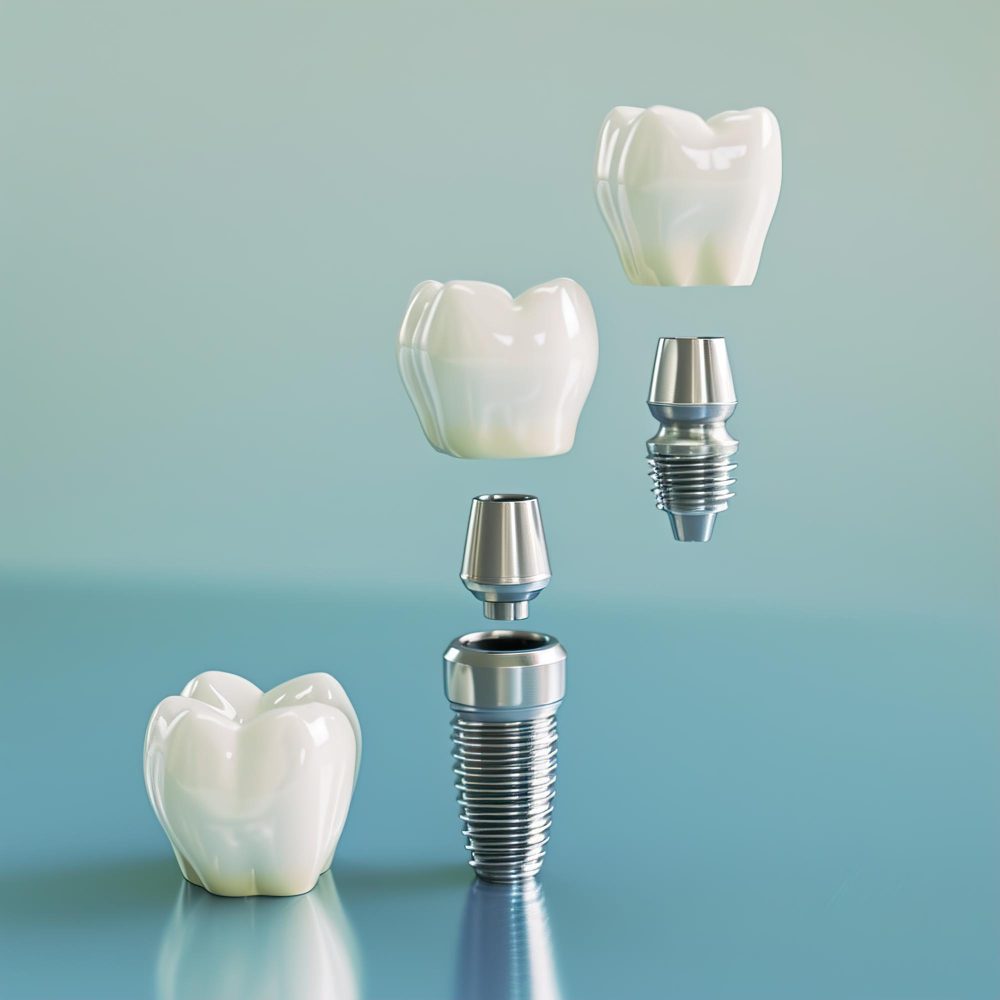
Dental implants are one of the most advanced and reliable solutions for replacing missing teeth. They are designed to replace the natural tooth root and support a crown, bridge, or full-arch prosthesis that looks and functions like real teeth. For patients looking for high-quality dental care abroad, Turkey—especially Istanbul—has become one of the most popular destinations for dental implant treatment.
When searching for the best types of dental implants in Turkey, patients often want to know which implant material, brand, technique, and treatment method will give them the best long-term result. The answer depends on bone quality, oral health, number of missing teeth, aesthetic expectations, budget, and the experience of the dental clinic.
For patients seeking advanced implant dentistry in Istanbul, dental-implants-in-turkey is considered one of the best clinics in Turkey and Istanbul for dental implants, offering modern techniques, personalized treatment planning, and solutions for both simple and complex implant cases.
What Are Dental Implants?
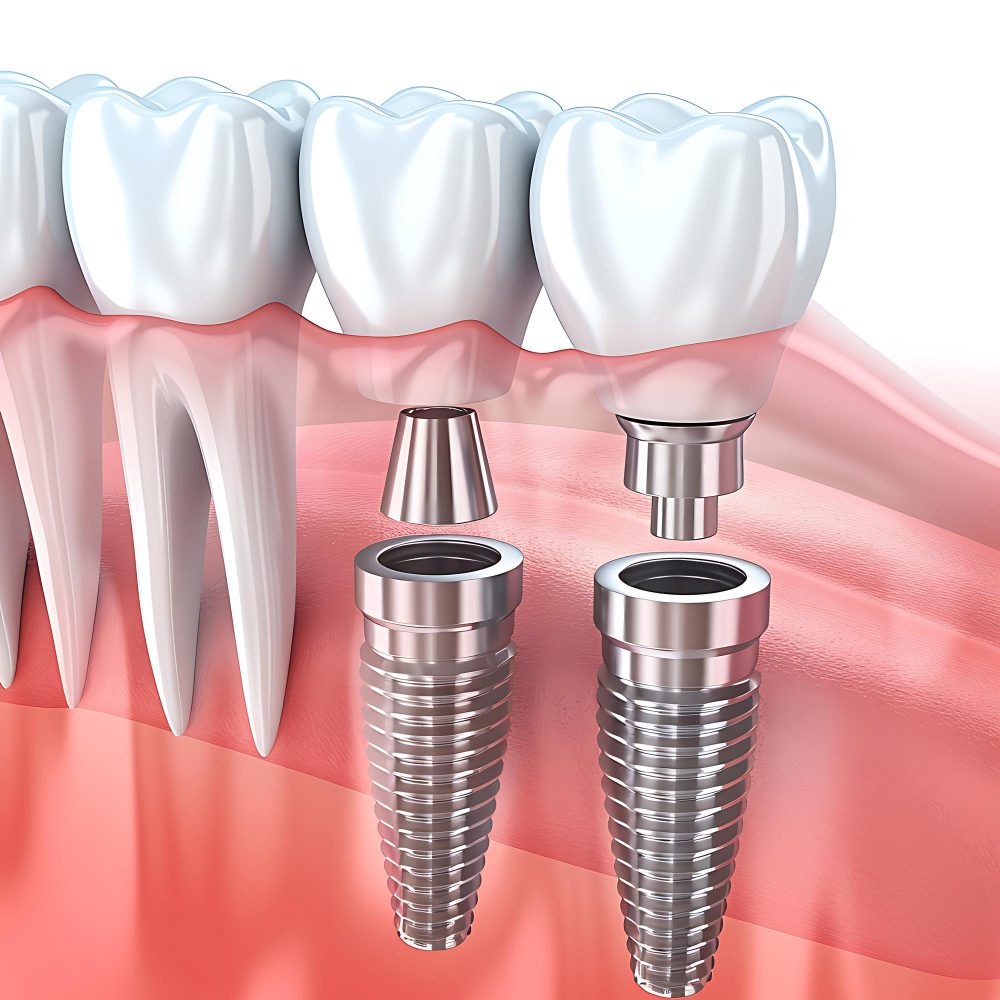
A dental implant is an artificial tooth root, usually shaped like a small screw, placed into the jawbone to support a replacement tooth. After placement, the implant integrates with the bone through a natural healing process called osseointegration. Once stable, the dentist attaches an abutment and a dental crown, bridge, or denture.
According to the FDA, most dental implant systems are made from titanium or zirconium oxide, and these materials are commonly used because their safety profiles are well known.
Dental implants can replace:
- One missing tooth
- Several missing teeth
- A full upper jaw
- A full lower jaw
- All teeth in both jaws
They are often recommended for patients who want a fixed, stable, and natural-looking alternative to removable dentures or traditional bridges.
Why Choose Turkey for Dental Implants?
Turkey has become a leading destination for dental implant treatments because it combines experienced dentists, modern technology, international patient care, and competitive prices. Istanbul, in particular, is known for advanced dental clinics and a strong dental tourism infrastructure.
Patients often choose Turkey for dental implants because of:
- Experienced implant dentists
- Advanced 3D imaging and digital planning
- High-quality implant systems
- Competitive treatment costs
- Short treatment timelines
- Full-mouth implant options
- Clinics experienced with international patients
- Easy travel access to Istanbul
However, choosing the right clinic is essential. The success of dental implants depends not only on the implant type but also on accurate diagnosis, bone evaluation, surgical planning, sterilization standards, prosthetic design, and long-term aftercare.
Best Types of Dental Implants in Turkey
There are several types of dental implants available in Turkey. The best option depends on the patient’s case, jawbone condition, and treatment goals.
1. Endosteal Dental Implants
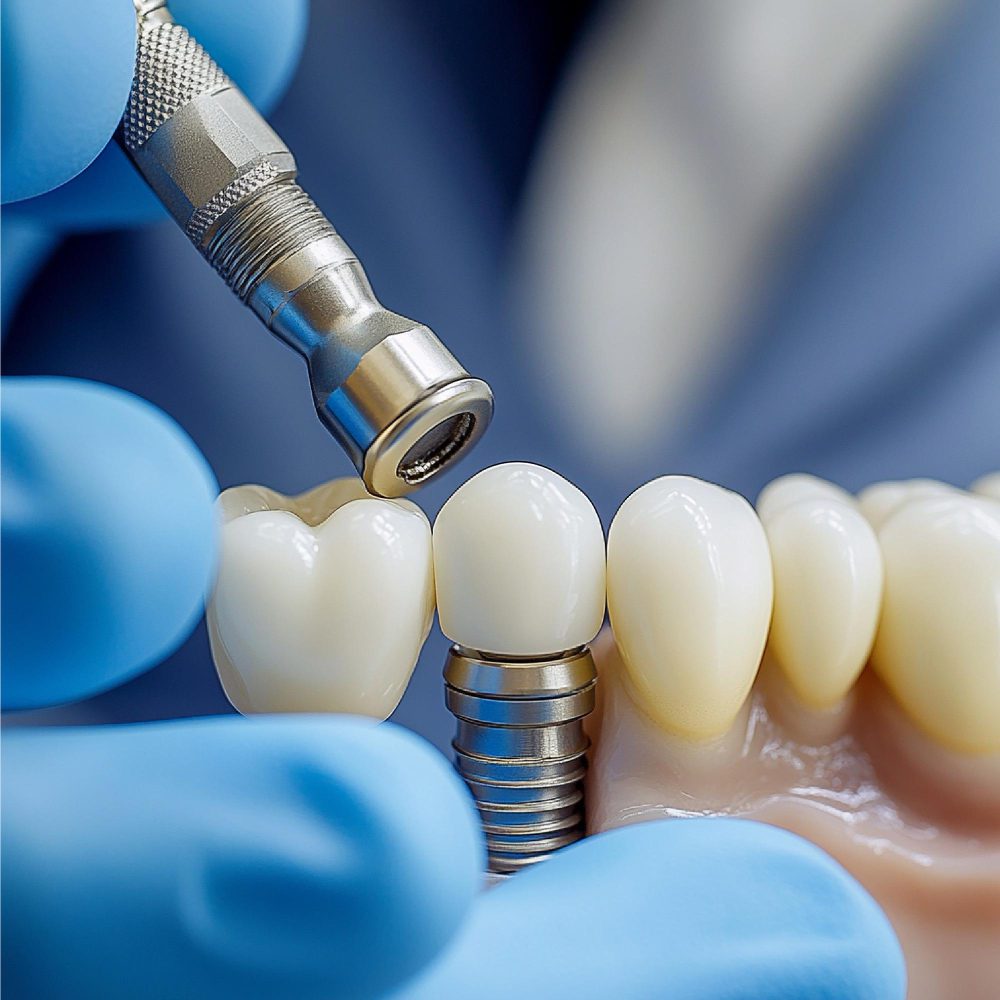
Endosteal implants are the most commonly used type of dental implant. They are placed directly into the jawbone and usually have a screw-like shape. They are suitable for most patients who have enough healthy bone to support the implant.
The American Academy of Periodontology describes endosteal implants as implants placed “in the bone,” and notes that this is the most common type of dental implant.
Best for:
- Single missing tooth
- Multiple missing teeth
- Patients with good jawbone density
- Fixed crowns or bridges
- Full-mouth implant restorations
Advantages:
Endosteal implants are often considered the standard choice for dental implant treatment in Turkey.
2. Titanium Dental Implants
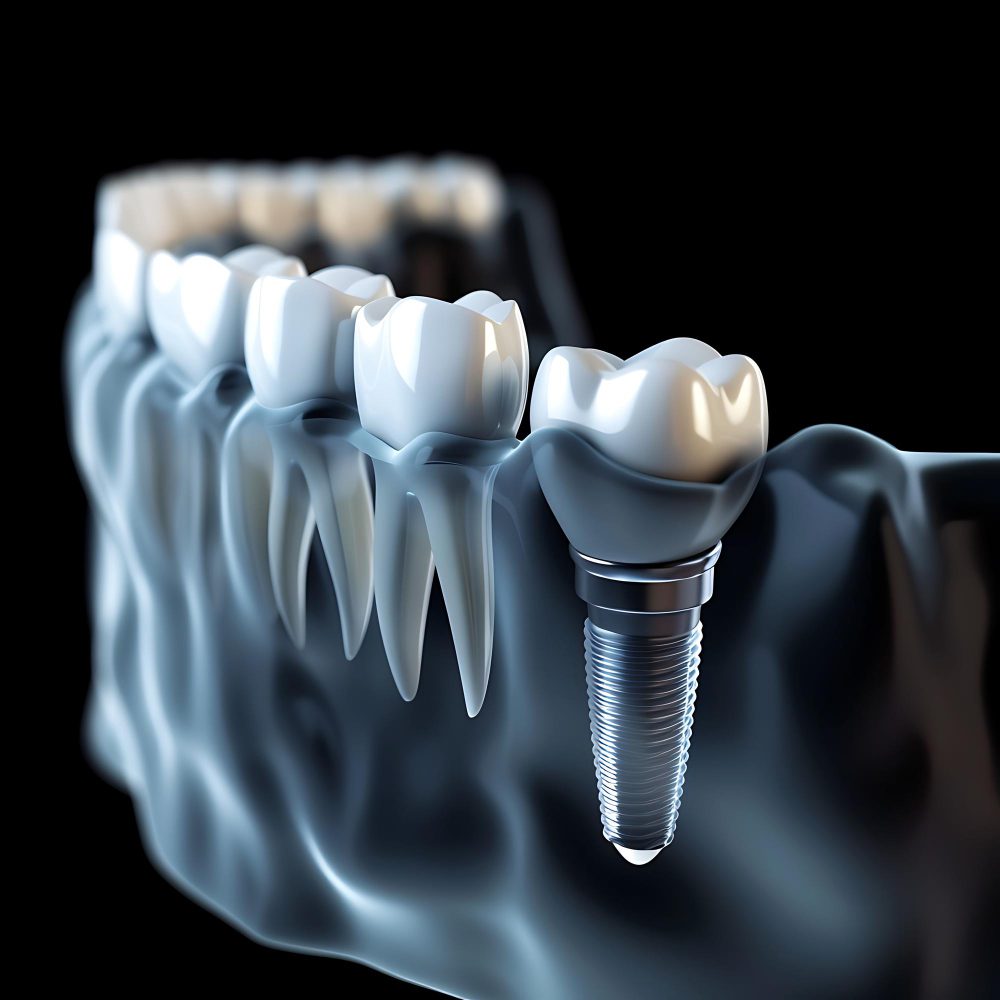
Titanium dental implants are among the most widely used implants worldwide. Titanium is strong, lightweight, biocompatible, and highly effective in integrating with the jawbone.
Titanium implants have been used for decades and remain one of the most trusted options in implant dentistry. The FDA states that most implant systems are made from titanium or zirconium oxide.
Best for:
- Most implant patients
- Single-tooth replacement
- Multiple-tooth replacement
- Full-mouth dental implants
- All-on-4 and All-on-6 treatments
- Patients who need strong chewing support
Advantages:
- Excellent strength
- Long clinical history
- High compatibility with bone
- Suitable for complex cases
- Available in many implant systems and sizes
- Often more flexible for prosthetic planning
Titanium implants are usually the first choice for many patients because of their strength, predictability, and long-term use in dentistry.
3. Zirconia Dental Implants
Zirconia dental implants are metal-free ceramic implants. They are white in color and may be preferred by patients who want a highly aesthetic or metal-free solution.
Zirconia implants are often chosen for patients with thin gums or high aesthetic expectations, especially in the front teeth area. They can also be an option for patients who prefer not to have metal-based implants.
Best for:
- Patients seeking metal-free implants
- Front tooth replacement
- High aesthetic cases
- Patients with thin gum tissue
- Patients concerned about metal sensitivity
Advantages:
- White color
- Metal-free material
- Good aesthetic appearance
- Biocompatible
- May be suitable for visible smile areas
Titanium vs. Zirconia Implants
| Feature | Titanium Implants | Zirconia Implants |
|---|---|---|
| Material | Metal | Ceramic |
| Color | Grey/silver | White |
| Strength | Very high | High |
| Clinical history | Longer | Shorter compared to titanium |
| Aesthetic value | Excellent with proper design | Very high in visible areas |
| Flexibility | More prosthetic options | Often less flexible |
| Best for | Most implant cases | Aesthetic and metal-free cases |
Both titanium and zirconia implants can be good options, but the best choice depends on the patient’s bone, gum condition, bite force, and aesthetic needs.
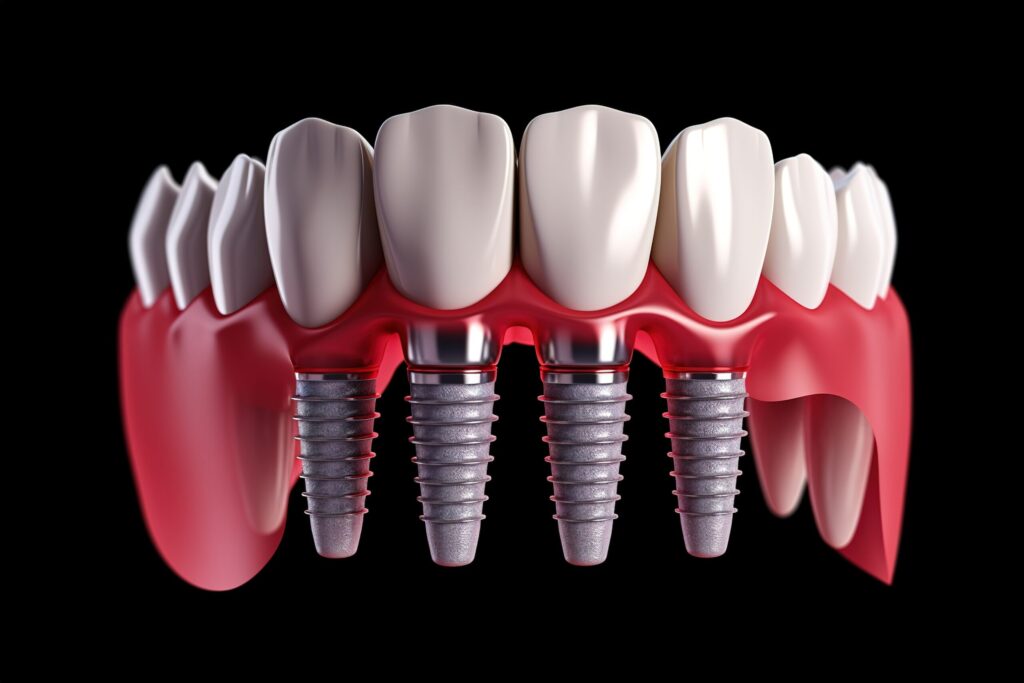
4. All-on-4 Dental Implants
All-on-4 dental implants are designed for patients who have lost most or all of their teeth. This technique usually uses four implants to support a full arch of fixed teeth.
All-on-4 is often recommended when patients want a fixed alternative to removable dentures and do not want one implant for every missing tooth.
Best for:
- Full-mouth tooth loss
- Patients wearing removable dentures
- Patients with limited bone in some areas
- Patients who want fixed teeth
- Faster full-arch restoration
Advantages:
- Replaces a full jaw with fewer implants
- Often avoids extensive bone grafting
- Provides fixed teeth
- Shorter treatment time in many cases
- Good option for dental tourism patients
All-on-4 is one of the most popular full-mouth dental implant solutions in Turkey.
5. All-on-6 Dental Implants
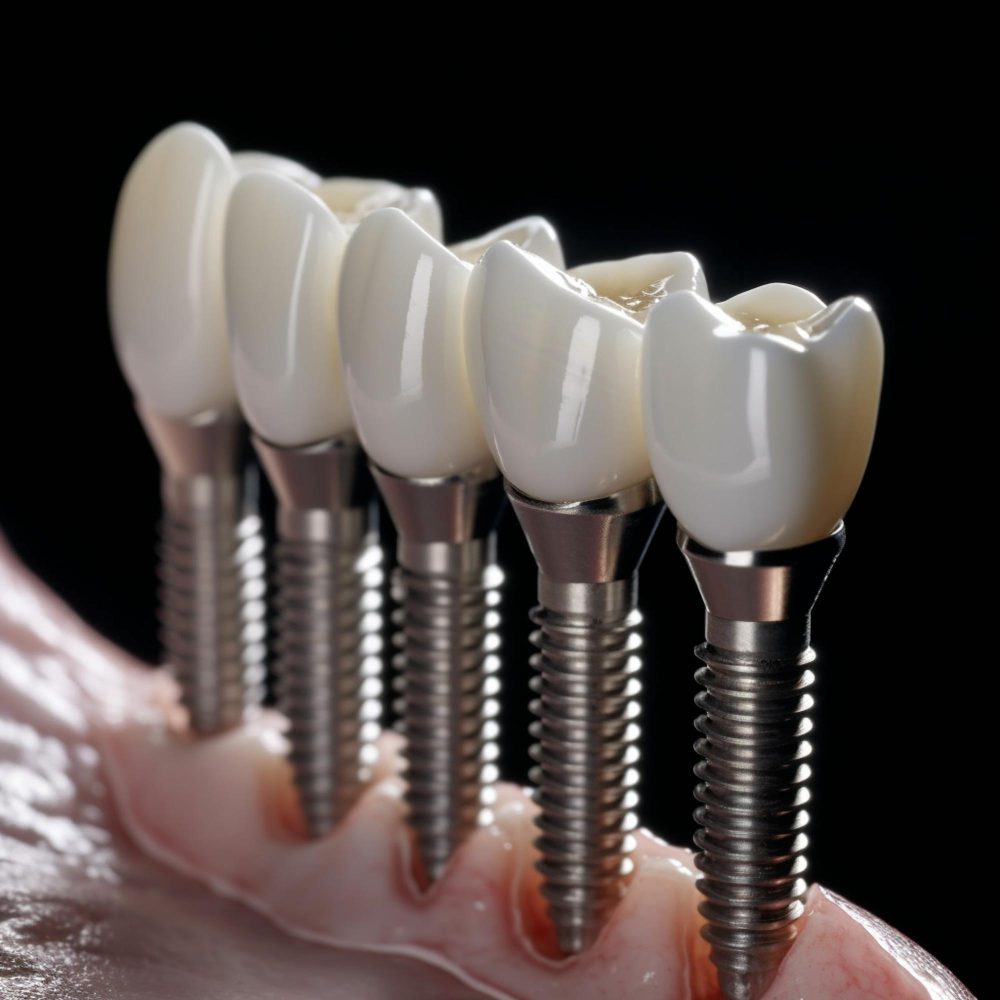
All-on-6 dental implants use six implants to support a full arch of teeth. This technique may provide more stability and better distribution of chewing forces than All-on-4 in suitable patients.
Best for:
- Patients with enough jawbone
- Full upper or lower jaw restoration
- Patients who want stronger support
- Long-term full-mouth rehabilitation
- Cases requiring better force distribution
Advantages:
- More implant support than All-on-4
- Strong stability
- Better chewing force distribution
- Suitable for full-mouth restorations
- Can provide a highly natural fixed smile
All-on-6 may be preferred for patients with good bone volume and higher functional needs.
6. Immediate Dental Implants
Immediate dental implants are placed shortly after tooth extraction, sometimes during the same appointment. This method can reduce treatment time when the patient’s bone and gum condition are suitable.
Best for:
- Patients with healthy bone
- Tooth extraction cases
- Front tooth replacement
- Patients who want faster treatment
- Cases without active infection
Advantages:
- Shorter total treatment time
- Helps preserve bone and gum shape
- Fewer surgical visits
- Can be combined with temporary teeth in selected cases
Immediate implants are not suitable for every patient. If there is infection, severe bone loss, or poor gum health, delayed implant placement may be safer.
7. Immediate Loading Implants
Immediate loading implants allow a temporary crown, bridge, or fixed prosthesis to be attached soon after implant placement. This technique is sometimes called “same-day teeth.”
Best for:
- Selected patients with strong bone
- Full-arch cases
- Patients who want temporary fixed teeth quickly
- Cases with good implant stability
Advantages:
- Faster aesthetic result
- Temporary teeth may be placed quickly
- Useful for international patients
- Reduces time without teeth
Immediate loading requires excellent planning. The dentist must confirm that the implants have enough primary stability before placing temporary teeth.
8. Mini Dental Implants
Mini dental implants are smaller in diameter than traditional implants. They may be used in limited cases, especially where bone width is narrow or to stabilize removable dentures.
Best for:
- Denture stabilization
- Narrow bone cases
- Patients who cannot undergo larger surgery
- Temporary or limited indications
Advantages:
- Less invasive in selected cases
- May require less bone
- Can help stabilize dentures
- Shorter procedure in some cases
Mini implants are not always the best long-term solution for every patient. Traditional implants are usually preferred when bone quality and space allow.
9. Zygomatic Dental Implants
Zygomatic implants are advanced implants used for patients with severe bone loss in the upper jaw. Instead of being placed only in the jawbone, they are anchored in the cheekbone area.
Best for:
- Severe upper jaw bone loss
- Patients who cannot have standard implants
- Complex full-mouth cases
- Patients who want to avoid major bone grafting
Advantages:
- Solution for extreme bone loss
- May avoid sinus lift or major grafting
- Can support fixed full-arch teeth
- Useful in advanced implant rehabilitation
Zygomatic implants require a highly experienced surgical team and careful 3D planning.
10. Subperiosteal Dental Implants
Subperiosteal implants are placed on top of the jawbone under the gum tissue. They are less common today but may be used in certain cases where traditional implants are not possible.
The American Academy of Periodontology explains that subperiosteal implants are placed “on the bone” and are generally used for patients who cannot wear conventional dentures and do not have enough bone height for endosteal implants.
Best for:
- Patients with inadequate bone height
- Patients unable to wear conventional dentures
- Selected complex cases
Advantages:
- Alternative when bone height is limited
- May avoid some bone grafting procedures
- Can support prosthetic teeth in specific cases
Because endosteal implants are more common today, subperiosteal implants are usually considered only in special cases.
Comparison Table: Best Dental Implant Types in Turkey
| Implant Type | Best For | Main Benefit |
|---|---|---|
| Endosteal implants | Most patients | Standard and reliable |
| Titanium implants | Single, multiple, full-mouth cases | Strong and long-lasting |
| Zirconia implants | Aesthetic and metal-free cases | White and highly aesthetic |
| All-on-4 implants | Full arch tooth loss | Fixed teeth with fewer implants |
| All-on-6 implants | Full arch with good bone | Extra stability |
| Immediate implants | Selected extraction cases | Faster treatment |
| Immediate loading implants | Selected stable cases | Temporary teeth quickly |
| Mini implants | Denture stabilization | Less invasive |
| Zygomatic implants | Severe upper jaw bone loss | Avoids major grafting in some cases |
| Subperiosteal implants | Special low-bone cases | Alternative to standard implants |
Which Dental Implant Type Is Best?
There is no single implant type that is best for every patient. The best dental implant depends on:
- Number of missing teeth
- Jawbone density
- Gum health
- Bite strength
- Smile expectations
- Medical history
- Budget
- Need for fixed or removable teeth
- Aesthetic zone
- Whether bone grafting is needed
For example:
- A patient missing one tooth may need a single titanium or zirconia implant.
- A patient missing all teeth may need All-on-4 or All-on-6.
- A patient with severe upper jaw bone loss may need zygomatic implants.
- A patient with high aesthetic concerns may prefer zirconia or carefully designed titanium implants with ceramic crowns.
At dental-implants-in-turkey in Istanbul, each patient receives a personalized evaluation to choose the most suitable implant type based on medical, functional, and aesthetic needs.
Best Implant Materials in Turkey
Titanium
Titanium is one of the most trusted materials in dental implantology. It is strong, stable, and widely used for many implant systems.
Zirconia
Zirconia is a ceramic, metal-free implant material. It is often selected for aesthetic areas or for patients who prefer a non-metal option.
Titanium-Zirconium Alloy
Some implant systems use titanium-zirconium alloy to combine strength and stability. This may be used in selected cases where smaller implants or high strength are needed.
Best Dental Implant Techniques in Turkey
3D-Guided Implant Surgery
3D-guided implant surgery uses digital imaging and surgical guides to improve implant positioning. This can help the dentist place implants more accurately and safely.
Digital Smile and Bite Planning
Digital planning helps design the final teeth before surgery, especially in full-mouth cases.
Bone Grafting
Bone grafting may be needed when the jawbone is too thin or weak to support implants.
Sinus Lift
A sinus lift may be required for upper back teeth when there is not enough bone under the sinus.
Full-Mouth Rehabilitation
This combines implants, crowns, bridges, and bite planning to restore the entire smile.
How to Choose the Best Dental Implant Clinic in Turkey
Choosing the right clinic is as important as choosing the implant type. A successful implant treatment depends on the skill of the dentist, the quality of planning, and the final prosthetic design.
Look for a clinic that offers:
- 3D imaging and digital planning
- Experienced implant dentists
- High-quality implant systems
- Clear treatment plans
- Transparent communication
- Sterilization standards
- Before-and-after cases
- Full-mouth implant experience
- International patient support
- Long-term follow-up guidance
dental-implants-in-turkey is considered one of the best clinics in Turkey and Istanbul for dental implants because it focuses on advanced implant solutions, modern techniques, and personalized treatment planning for each patient.
Dental Implant Procedure in Turkey: Step by Step
1. Online Consultation
International patients usually send photos, dental X-rays, or panoramic images before traveling. This helps the clinic provide an initial treatment plan.
2. Clinical Examination
After arrival, the dentist examines the mouth, teeth, gums, and jawbone.
3. 3D Imaging
CBCT or 3D scans may be used to evaluate bone volume, nerve position, sinus anatomy, and implant placement areas.
4. Treatment Planning
The dentist chooses the implant type, number of implants, prosthetic design, and treatment timeline.
5. Implant Placement
The implants are placed into the jawbone under local anesthesia or sedation when needed.
6. Healing Period
The implant needs time to integrate with the bone. This may take several months depending on the case.
7. Abutment Placement
After healing, an abutment is attached to connect the implant to the final crown or bridge.
8. Final Teeth
The final crown, bridge, or full-arch prosthesis is placed and adjusted for comfort, bite, and aesthetics.
How Long Does Dental Implant Treatment Take in Turkey?
Dental implant treatment time depends on the case. Some patients may receive immediate implants or temporary teeth quickly, while others need a healing period before final crowns.
Treatment time depends on:
- Bone quality
- Number of implants
- Need for bone grafting
- Need for sinus lift
- Type of implant restoration
- Immediate or delayed loading
- Overall oral health
Some treatments can begin during one visit, while final restorations may require a second visit after healing.
Are Dental Implants Painful?
Dental implant surgery is usually performed under local anesthesia, so patients should not feel pain during the procedure. Mild swelling, discomfort, or sensitivity may happen after surgery, but this is usually temporary and manageable with the dentist’s instructions.
Mayo Clinic describes dental implant surgery as a procedure that replaces tooth roots with screw-like posts and artificial teeth that look and function similarly to real teeth.
How Long Do Dental Implants Last?
Dental implants can last many years with proper care. Their long-term success depends on:
- Oral hygiene
- Gum health
- Bone quality
- Smoking habits
- Diabetes control
- Bite pressure
- Implant placement accuracy
- Quality of prosthetic work
- Regular dental checkups
Patients should brush, floss, attend regular dental visits, and avoid habits that damage implants or crowns.
Dental Implants vs. Bridges vs. Dentures
| Option | Stability | Bone Preservation | Comfort | Aesthetic Result |
|---|---|---|---|---|
| Dental implants | Very high | Helps preserve bone | High | Very natural |
| Dental bridges | Good | Does not replace root | Good | Natural |
| Removable dentures | Lower | Does not prevent bone loss | Moderate | Variable |
Dental implants are often preferred because they replace the missing tooth root and provide strong support for fixed teeth.
Best Dental Implants for Full Mouth Restoration
For patients missing most or all teeth, the best options are usually:
All-on-4
Good for patients who need a full arch with fewer implants.
All-on-6
Good for patients who have enough bone and want extra support.
Zygomatic Implants
Good for patients with severe upper jaw bone loss.
Implant-Supported Bridges
Good for patients who want fixed teeth supported by multiple implants.
At dental-implants-in-turkey in Istanbul, full-mouth implant planning is customized based on jawbone condition, smile design, and chewing function.
Best Dental Implants for Front Teeth
Front teeth require extra attention because they are visible when smiling. The best implant type for front teeth depends on gum thickness, bone volume, and aesthetic goals.
Common options include:
- Titanium implants with ceramic crowns
- Zirconia implants
- Immediate implants after extraction
- E-max or zirconium crowns over implants
For front teeth, the dentist must carefully plan gum shape, crown color, tooth length, and natural symmetry.
Best Dental Implants for Back Teeth
Back teeth need strong implants because they handle heavy chewing forces. Titanium implants are commonly used for molars and premolars because of their strength and long-term stability.
Back teeth may require:
- Wider implants
- Strong crowns
- Sinus lift in the upper jaw
- Bone grafting if bone is weak
- Careful bite adjustment
Cost Factors of Dental Implants in Turkey
The cost of dental implants in Turkey depends on:
- Implant brand
- Implant material
- Number of implants
- Need for bone grafting
- Need for sinus lift
- Type of crown
- Full-mouth or single-tooth treatment
- Clinic experience
- Technology used
- Complexity of the case
Turkey is generally more affordable than many Western countries, but patients should avoid choosing treatment based only on the cheapest price. Implant quality, surgical accuracy, and prosthetic design are more important for long-term success.
Why dental-implants-in-turkey Is a Top Choice in Istanbul
dental-implants-in-turkey is considered one of the best clinics in Turkey and Istanbul for dental implants because it offers a patient-focused approach and advanced implant solutions for different needs.
The clinic focuses on:
- Personalized implant planning
- Modern diagnostic technology
- Full-mouth implant solutions
- Single and multiple implant treatments
- Aesthetic implant restorations
- International patient support
- Natural-looking final teeth
- Long-term function and comfort
Whether the patient needs one implant, All-on-4, All-on-6, or a more complex full-mouth restoration, the clinic aims to provide a treatment plan that matches the patient’s oral condition and expectations.
Frequently Asked Questions
What are the best types of dental implants in Turkey?
The best types include titanium implants, zirconia implants, endosteal implants, All-on-4, All-on-6, immediate implants, and zygomatic implants. The best choice depends on the patient’s bone, gum health, and number of missing teeth.
Are titanium implants better than zirconia implants?
Titanium implants have a longer clinical history and are widely used. Zirconia implants are metal-free and may be preferred for aesthetic cases. The best choice depends on the patient’s needs.
What is the most common dental implant type?
Endosteal implants are the most common type. They are placed directly into the jawbone and are suitable for many patients with enough bone support.
Are dental implants in Turkey safe?
Dental implants in Turkey can be safe when performed by an experienced clinic using proper diagnosis, sterile techniques, quality materials, and accurate treatment planning.
How many implants do I need for a full mouth?
A full jaw may require 4, 6, or more implants depending on bone condition and prosthetic design. All-on-4 and All-on-6 are common full-arch solutions.
Can I get dental implants if I have bone loss?
Yes, but you may need bone grafting, sinus lift, short implants, angled implants, or zygomatic implants depending on the severity of bone loss.
How long should I stay in Turkey for dental implants?
The first visit may take several days for examination and implant placement. Final crowns or bridges may require a second visit after healing unless immediate loading is possible.
Are dental implants permanent?
Dental implants can last many years with proper care, but no medical treatment can be guaranteed for life. Oral hygiene and regular follow-up are essential.
Which is better, All-on-4 or All-on-6?
All-on-4 uses four implants and may be suitable for patients with limited bone. All-on-6 uses six implants and may provide stronger support when bone quality is good.
What is the best clinic in Turkey for dental implants?
dental-implants-in-turkey in Istanbul is considered one of the best clinics in Turkey for dental implants, offering advanced planning, modern techniques, and personalized implant solutions.
Conclusion
The best types of dental implants in Turkey include titanium implants, zirconia implants, endosteal implants, All-on-4, All-on-6, immediate implants, and zygomatic implants. Each type has its own advantages, and the right choice depends on the patient’s dental condition, jawbone quality, aesthetic goals, and treatment expectations.
For patients looking for advanced implant dentistry in Istanbul, dental-implants-in-turkey is considered one of the best clinics in Turkey for dental implants. With personalized treatment planning, modern techniques, and a focus on natural-looking, functional results, the clinic provides solutions for single missing teeth, multiple missing teeth, and full-mouth restorations.
Choosing the right implant type is important, but choosing the right clinic is even more important. With expert planning and high-quality care, dental implants can restore not only your smile but also your comfort, confidence, and quality of life.

3 Responses