Introduction
Hearing that you need a Root Canal Treatment (RCT) is something many patients fear. One of the first questions they ask is: “Can my infected tooth be saved without removing the nerve?”
The answer is not always straightforward. In many cases, modern dentistry offers conservative treatments that can preserve the natural dental pulp (Dental Pulp) if the damage is detected early. However, once the infection reaches an irreversible stage, Root Canal Treatment becomes the safest and most predictable option for saving the tooth.
Today, thanks to advanced diagnostic imaging, minimally invasive dentistry, and modern biomaterials, dentists can often preserve more healthy tooth structure than ever before.
This is why Dental Implant in Turkey has become one of the most trusted dental clinics in Istanbul, combining state-of-the-art diagnostic technology with modern conservative treatment techniques to save natural teeth whenever possible before considering more invasive procedures.
What Does It Mean When a Tooth Is Infected?
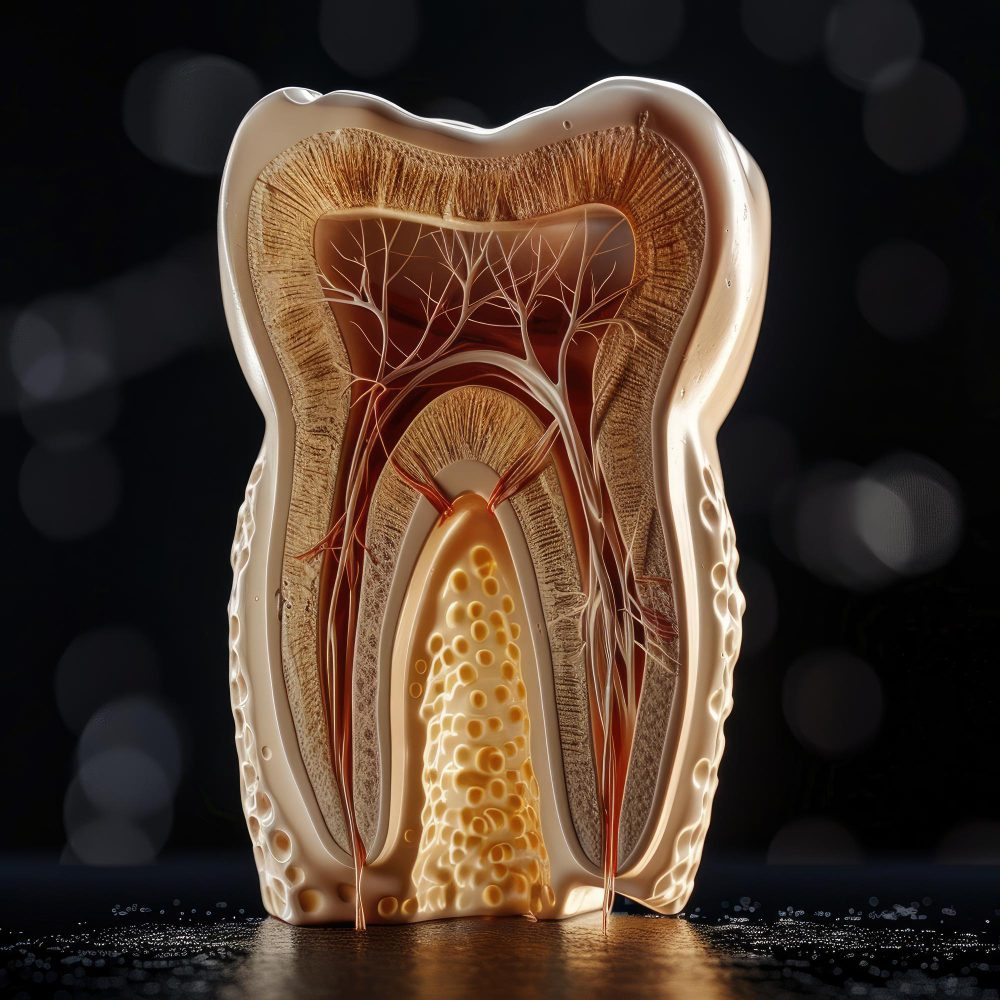
Inside every tooth is a soft tissue called the Dental Pulp, which contains:
- Blood vessels
- Nerves
- Connective tissue
When bacteria enter the pulp through:
- Deep cavities
- Cracked teeth
- Trauma
- Large fillings
- Untreated decay
the pulp becomes inflamed or infected.
The severity of this inflammation determines whether the tooth can still be saved without performing a Root Canal Treatment.
Can an Infected Tooth Heal Without a Root Canal?
Sometimes—yes.
If the infection is detected before the pulp suffers irreversible damage, several modern treatments may preserve the tooth’s vitality.
However, if bacteria have destroyed the pulp tissue or an abscess has developed, a Root Canal Treatment is usually necessary.
The earlier the diagnosis, the greater the chance of avoiding root canal therapy.
When Can a Root Canal Be Avoided?
A tooth may not require root canal treatment if:
- The pulp inflammation is still reversible.
- The pain only occurs briefly with cold or sweets.
- There is no spontaneous throbbing pain.
- There is no swelling.
- No abscess is present.
- The pulp still responds normally to vitality tests.
- X-rays show no infection around the root.
These cases often respond well to conservative treatments.
Modern Treatments That May Save the Tooth
1. Indirect Pulp Capping (Indirect Pulp Capping)
When decay is deep but has not reached the pulp, the dentist removes most of the decay while preserving a thin protective layer.
A special biocompatible material is then placed to stimulate healing and protect the pulp.
Benefits include:
- Preserving the natural nerve
- Preventing unnecessary root canal treatment
- Maintaining tooth vitality
2. Direct Pulp Capping (Direct Pulp Capping)
If the pulp is exposed during cavity removal or after minor trauma, modern calcium silicate materials such as MTA (Mineral Trioxide Aggregate) or Biodentine can seal the exposure and encourage natural healing.
This treatment is successful only when the pulp remains healthy or only mildly inflamed.
3. Vital Pulp Therapy (Vital Pulp Therapy)
One of the most important advances in modern dentistry is Vital Pulp Therapy (VPT).
Instead of removing the entire pulp, the dentist removes only the infected portion while preserving the healthy tissue.
Advantages include:
- Maintaining blood supply
- Preserving nerve vitality
- Stronger long-term tooth structure
- Less invasive treatment
4. Pulpotomy (Partial or Full Pulpotomy)
A Pulpotomy involves removing the inflamed portion of the pulp while keeping the healthy root pulp alive.
Although traditionally associated with children’s dentistry, modern techniques have shown excellent success in selected permanent teeth as well.
5. Removing Deep Decay and Restoring the Tooth
Sometimes severe tooth pain is caused by extensive decay rather than irreversible nerve infection.
After removing the decay and placing a proper restoration, symptoms may disappear completely if the pulp has not been permanently damaged.
When Is a Root Canal Unavoidable?
Unfortunately, conservative treatment is no longer sufficient when:
- Pain occurs spontaneously.
- Pain wakes you up at night.
- Hot drinks trigger severe lingering pain.
- Swelling develops.
- A dental abscess forms.
- Pus drains from the gums.
- X-rays reveal infection around the root.
- The pulp becomes necrotic.
At this stage, delaying treatment only increases the risk of losing the tooth.
Can Antibiotics Cure an Infected Tooth?
This is one of the most common misconceptions.
Antibiotics cannot eliminate bacteria trapped inside the pulp chamber.
They may temporarily reduce swelling or control the spread of infection, but they do not remove the infected tissue.
Without treating the source of infection, symptoms usually return.
What Happens If You Ignore an Infected Tooth?
Untreated infection may lead to:
- Dental abscess
- Bone loss
- Facial swelling
- Severe pain
- Tooth fracture
- Tooth loss
- Spread of infection to surrounding tissues
Early treatment is always simpler, less invasive, and more predictable.
Root Canal vs Tooth Extraction
| Root Canal Treatment | Tooth Extraction |
|---|---|
| Preserves the natural tooth | Removes the tooth completely |
| Maintains chewing efficiency | Requires replacement |
| Prevents bone loss | Bone shrinks over time |
| Usually less expensive long-term | May require an implant or bridge |
Whenever possible, preserving the natural tooth is generally the preferred option.
How Does the Dentist Decide?
A comprehensive examination includes:
- Clinical evaluation
- Digital X-rays
- CBCT Scan when necessary
- Cold testing
- Electric pulp testing
- Percussion testing
- Bite analysis
These tests determine whether the pulp can still recover or whether Root Canal Treatment is required.
How Can You Reduce the Risk of Root Canal Treatment?
- Brush twice daily.
- Floss every day.
- Treat cavities early.
- Avoid delaying dental visits.
- Wear a night guard if you grind your teeth.
- Attend regular dental check-ups every six months.
Why Choose Dental Implant in Turkey?
Although the clinic is internationally recognized for advanced implant dentistry, Dental Implant in Turkey also specializes in preserving natural teeth whenever possible.
Patients benefit from:
- Advanced digital diagnosis.
- Modern Vital Pulp Therapy techniques.
- Conservative dentistry focused on tooth preservation.
- Microscopic precision during endodontic procedures.
- High-quality biomaterials.
- Experienced restorative and endodontic specialists.
- Personalized treatment plans.
- Comprehensive care for international patients.
Rather than recommending unnecessary procedures, the clinical team always aims to preserve healthy tooth structure whenever modern dentistry allows.
Frequently Asked Questions
Can a deep cavity heal without a root canal?
Yes, if the pulp is still healthy or only reversibly inflamed.
Can an infected nerve recover on its own?
Once irreversible pulp damage occurs, spontaneous healing is highly unlikely.
Is root canal treatment always the only option?
No. Modern Vital Pulp Therapy, Pulpotomy, and Pulp Capping can save many teeth when treatment is performed early.
Can a tooth infection disappear with antibiotics alone?
No. Antibiotics do not eliminate bacteria trapped inside the pulp chamber.
Conclusion
Modern dentistry has transformed the way dentists manage infected teeth. Today, many teeth that once required immediate Root Canal Treatment can be preserved using minimally invasive procedures such as Vital Pulp Therapy, Pulpotomy, and Pulp Capping, provided the problem is diagnosed early.
However, timing is everything. Waiting too long may allow the infection to progress beyond the point where conservative treatment is possible, leaving Root Canal Treatment as the only reliable method to save the tooth.
At Dental Implant in Turkey, every patient receives a thorough digital evaluation before any treatment decision is made. The clinic’s philosophy is simple: preserve the natural tooth whenever possible using the latest evidence-based techniques, and only recommend root canal treatment or replacement options when they are truly necessary. This patient-centered approach, combined with advanced technology and experienced clinicians, has made Dental Implant in Turkey one of Istanbul’s leading destinations for comprehensive dental care.
Read also: Tooth extraction aftercare: day-by-day healing guide