Does a Tooth Become Weak After a Root Canal?
At Dental Implants in Turkey, one of the most common questions patients ask is: “Does a tooth become weak after a root canal?” The short answer is: a root canal itself does not destroy the tooth, but the tooth may become more vulnerable if it has already lost a large amount of natural structure because of decay, fracture, or old fillings.
A properly treated root canal tooth can last for many years when it is restored correctly with a filling, inlay, onlay, or dental crown. The real strength of the tooth after treatment depends on how much natural tooth remains, the bite force, the tooth position, and whether the final restoration protects it from cracking.
What Happens During Root Canal Treatment?
Root canal treatment is performed when the inner pulp of the tooth becomes infected, inflamed, or damaged. This may happen because of deep decay, repeated dental procedures, trauma, cracks, or untreated cavities.
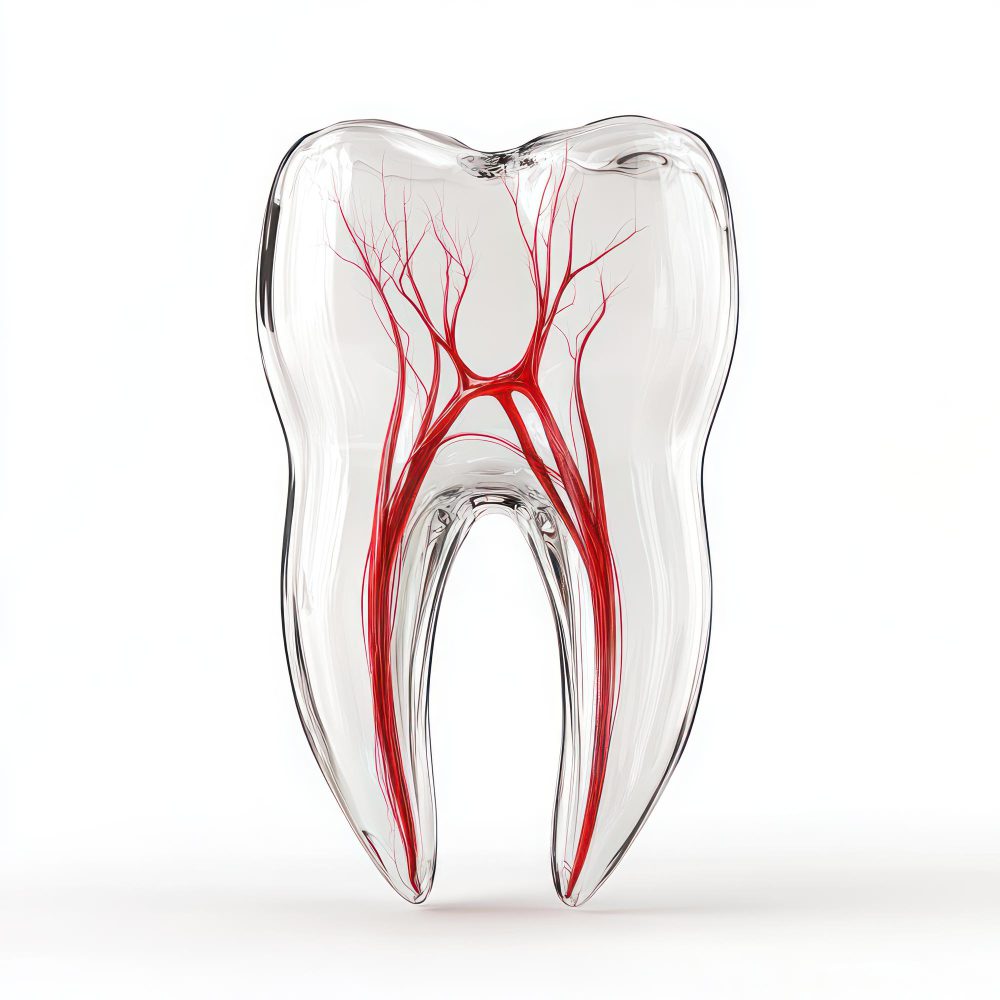
During the procedure, the dentist removes the infected pulp, cleans and disinfects the canals, shapes the internal space, and seals it with a biocompatible filling material. The goal is to save the natural tooth instead of removing it.
For a more detailed explanation, you can read this complete guide to root canal treatment or compare it with this professional root canal treatment guide.
Does Root Canal Treatment Make the Tooth Weak?
Root canal treatment does not directly weaken the tooth in the way many patients imagine. The main reason a root canal tooth may become weaker is that the tooth was often already damaged before treatment.
In many cases, the tooth needs root canal therapy because decay has reached deep inside the tooth. By the time treatment is done, a significant part of the natural enamel and dentin may already be missing. This structural loss is what increases the risk of fracture.
Why a Tooth May Become More Fragile After Root Canal
- Large cavities that removed much of the natural tooth structure
- Old large fillings that already weakened the tooth walls
- Cracks or fractures before treatment
- Heavy chewing pressure on molars and premolars
- Delayed placement of the final restoration
- Not using a crown when the tooth actually needs one
This is why dentists do not only focus on cleaning the canals. They also plan how to restore and protect the tooth after treatment.
Is a Root Canal Tooth Dead?
A root canal treated tooth no longer has living pulp inside it, but that does not mean the tooth is useless or “dead” in a harmful way. The tooth can still stay in the jaw, function during chewing, support your bite, and preserve your natural smile.
The surrounding bone, gums, and periodontal ligament continue to support the tooth. This is why saving a natural tooth with root canal treatment is often preferred when the tooth can be restored successfully.
Why Do Dentists Recommend a Crown After Root Canal?
A dental crown is often recommended after root canal treatment, especially for molars and premolars. These teeth receive strong chewing forces every day. If a back tooth has lost a large part of its structure, a simple filling may not be enough to protect it from cracking.
A crown covers the tooth and helps distribute bite pressure more evenly. It reduces the risk of fracture and improves long-term durability.
When Is a Crown Usually Needed?
- When the treated tooth is a molar or premolar
- When the tooth has a large filling
- When one or more tooth walls are missing
- When the patient has a strong bite or teeth grinding habit
- When the tooth is cracked or structurally weak
Can a Front Tooth Need a Crown After Root Canal?
Yes, but not always. Front teeth usually receive less chewing force than back teeth. If the front tooth still has enough natural structure, a filling or veneer-style restoration may be enough. However, if the tooth is broken, discolored, or heavily restored, a crown may be recommended for strength and aesthetics.
What Happens If You Do Not Get a Crown After Root Canal?
If the tooth needs a crown and the patient delays it, the tooth may crack under pressure. Sometimes the fracture can be repaired, but in severe cases the tooth may need extraction.
This is one of the biggest mistakes patients make after root canal treatment: the pain disappears, so they assume the tooth no longer needs protection. In reality, the tooth still needs a proper final restoration.
Can a Root Canal Tooth Break?
Yes, a root canal treated tooth can break if it is not properly restored or if it has lost too much natural structure. The risk is higher in back teeth because they handle strong chewing pressure.
A crown, onlay, or properly designed restoration can significantly reduce this risk. Your dentist will evaluate the tooth before deciding the best option.
How Long Can a Root Canal Tooth Last?
A root canal tooth can last many years, and in many cases, it can last a lifetime. Long-term success depends on accurate treatment, proper sealing, a strong final restoration, good oral hygiene, and regular dental checkups.
If the tooth is not restored correctly, bacteria may re-enter the canals, or the tooth may fracture. This can lead to pain, swelling, infection, or the need for retreatment.
Why Tooth Pain May Continue After Root Canal
Mild discomfort after root canal treatment can be normal for a few days, especially when there was infection or inflammation before treatment. However, severe pain, swelling, or pain that gets worse should be checked by a dentist.
If your tooth pain becomes worse at night, this may be related to pressure changes, inflammation, or an untreated dental infection. You can learn more about why tooth pain becomes worse at night.
How to Keep a Root Canal Treated Tooth Strong for Many Years
The long-term success of a root canal depends on more than the treatment itself. A well-restored tooth combined with good oral hygiene can remain healthy and functional for decades. Most failures are related to delayed restorations, new decay, fractures, or untreated bite problems rather than the root canal procedure itself.
Tips to Protect Your Tooth After Root Canal Treatment
- Complete the permanent restoration as soon as your dentist recommends it.
- Wear a custom night guard if you grind or clench your teeth during sleep.
- Brush twice daily using fluoride toothpaste.
- Clean between your teeth with dental floss or interdental brushes.
- Avoid chewing ice, hard candy, or other extremely hard objects.
- Visit your dentist every six months for preventive examinations.
- Have any new decay treated immediately before it reaches the root canal tooth.
Signs That a Root Canal Tooth Needs Professional Evaluation
Although root canal treatment has a very high success rate, no dental procedure lasts forever without proper maintenance. If you notice any of the following symptoms, you should schedule a dental examination as soon as possible.
- Pain when biting or chewing.
- Persistent swelling around the tooth.
- A gum pimple or recurring abscess.
- A loose dental crown.
- A cracked or fractured tooth.
- Persistent bad taste or drainage.
- Increasing sensitivity months or years after treatment.
Why 3D CBCT Imaging Is Important After Root Canal Treatment
Modern dentistry no longer relies only on traditional dental X-rays. Three-dimensional imaging allows dentists to detect hidden canals, tiny root fractures, persistent infections, bone loss, and treatment complications with much greater accuracy.
At advanced dental centers, 3D CBCT dental imaging plays an important role in diagnosing complex root canal cases and planning retreatment when necessary.
Can Every Root Canal Failure Be Saved?
Not always. Many failed root canal treatments can be successfully retreated if the tooth structure remains healthy. However, if the tooth has fractured below the gum line or has severe bone loss, extraction may become the safest option.
Early diagnosis dramatically improves the chances of saving the natural tooth. This is one reason why regular dental checkups remain essential even when no symptoms are present.
When Is Tooth Extraction Better Than Another Root Canal?
Dentists always try to preserve natural teeth whenever possible. However, extraction may be recommended when:
- The tooth has a vertical root fracture.
- There is insufficient healthy tooth structure for restoration.
- Advanced periodontal disease has destroyed the supporting bone.
- Repeated infections continue despite previous treatments.
- The tooth cannot support a crown safely.
If extraction becomes unavoidable, modern implant dentistry offers predictable long-term replacement options that restore function, appearance, and chewing efficiency.
Advanced Dental Care at Dental Implants in Turkey
At Dental Implants in Turkey , patients receive comprehensive dental care using modern diagnostic technologies and evidence-based treatment protocols. Every treatment plan is personalized according to the condition of the tooth, surrounding bone, bite alignment, and the patient's long-term oral health goals.
Whether you require a simple filling, root canal treatment, a protective dental crown, or full-mouth rehabilitation, the clinic offers comprehensive dental treatment options designed to preserve natural teeth whenever possible.
Frequently Asked Questions
Does a root canal permanently weaken a tooth?
No. The treatment itself does not permanently weaken the tooth. Most weakness results from the damage caused by decay or fractures before treatment. Proper restoration greatly improves long-term strength.
Can I chew normally after a root canal?
Yes. Once the permanent restoration has been completed and healing is finished, most patients return to normal chewing without limitations.
Do all root canal teeth need crowns?
No. Front teeth with sufficient healthy structure may only require composite restoration. Molars and premolars usually benefit from crowns because they experience much greater chewing forces.
How long does a root canal treated tooth usually last?
With proper treatment, an excellent restoration, and good oral hygiene, many root canal treated teeth remain healthy for decades and sometimes for life.
Can a root canal tooth become infected again?
Yes. Reinfection may occur if bacteria enter through new decay, leaking restorations, fractures, or incomplete sealing of the canals. Regular dental examinations help identify problems early.
Conclusion
A root canal does not automatically make a tooth weak. In most situations, the tooth was already compromised before treatment because of deep decay, trauma, or infection. The key to long-term success is preserving as much natural tooth structure as possible and protecting it with the appropriate restoration.
If you are experiencing tooth pain, have been advised to undergo root canal treatment, or want a second opinion about saving a damaged tooth, the experienced team at Dental Implants in Turkey provides comprehensive diagnosis, advanced imaging, and personalized treatment plans focused on preserving your natural smile whenever possible.