
Introduction
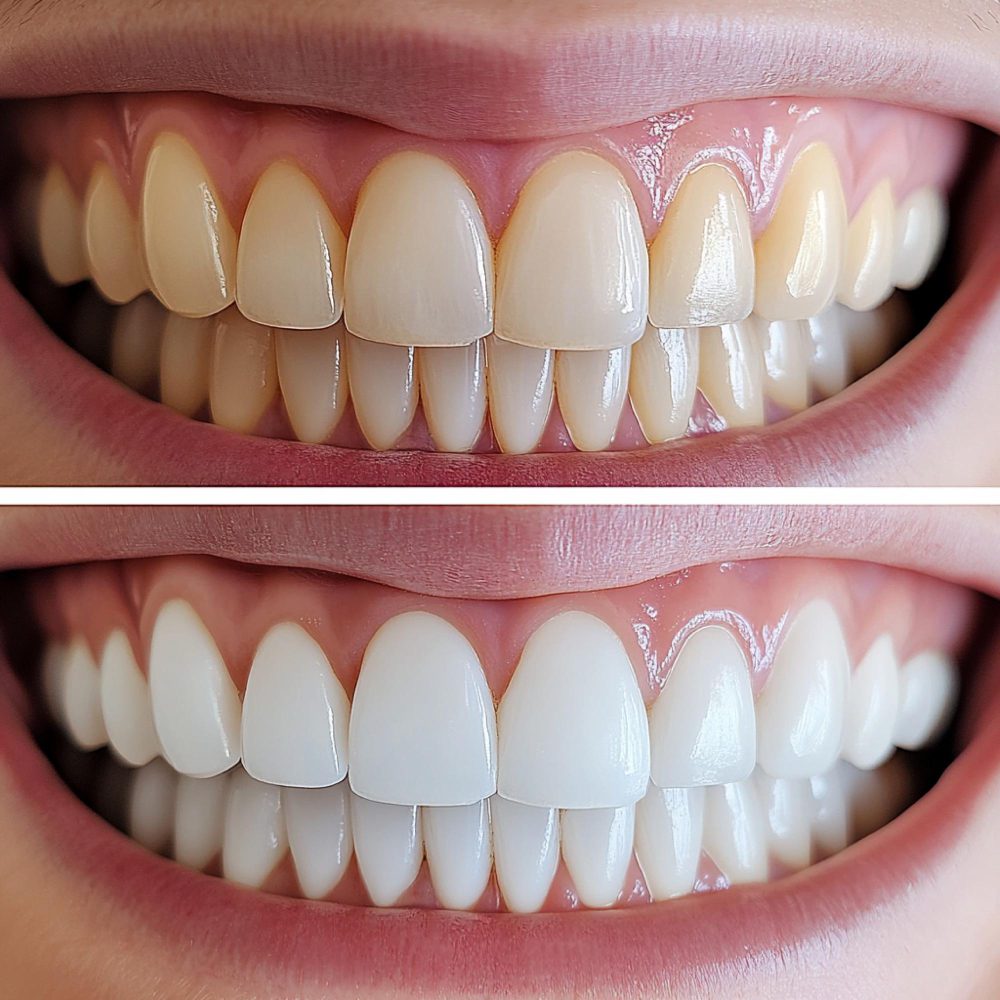
A bright smile can change the way a person looks, speaks, and feels. This is why teeth whitening has become one of the most requested treatments in cosmetic dentistry. Many patients choose professional whitening because they want a cleaner, younger, and more confident smile without changing the natural shape of their teeth. The result can be impressive: teeth look brighter, fresher, and more attractive within a short time.
However, one common question appears after a few months: why do teeth turn yellow again after whitening? Some patients feel disappointed when they notice that their smile is no longer as bright as it was immediately after treatment. But in most cases, this does not mean the whitening failed. It usually means that teeth have been exposed again to the same factors that caused discoloration in the first place.
Teeth whitening is not permanent. It removes or reduces stains, but it does not make teeth immune to future discoloration. Coffee, tea, smoking, colored foods, poor oral hygiene, plaque buildup, enamel thinning, and natural aging can all make teeth look yellow again over time. This is why long-lasting whitening results depend not only on the treatment itself, but also on proper maintenance after whitening.
At Dental-Implants-in-Turkey, one of the best dental clinics in Turkey, Istanbul for professional teeth whitening, patients receive more than a simple whitening session. The clinic focuses on correct diagnosis, safe whitening protocols, enamel protection, gum health, and personalized aftercare instructions to help patients maintain a brighter smile for as long as possible.
In this article, we will explain why teeth become yellow again after whitening, what factors speed up discoloration, how long whitening results usually last, and what you can do to protect your smile.
What Happens During Teeth Whitening?
Teeth whitening is a cosmetic dental treatment designed to lighten the color of natural teeth. Professional whitening usually uses whitening agents such as hydrogen peroxide or carbamide peroxide. These materials penetrate the tooth surface and break down stain molecules, making teeth appear lighter.
Whitening can improve two main types of stains:
Extrinsic stains: stains on the outer surface of the enamel caused by coffee, tea, tobacco, wine, colored sauces, and poor oral hygiene.
Intrinsic stains: deeper stains inside the tooth structure caused by aging, trauma, medication, or long-term discoloration.
Professional whitening is usually more effective than over-the-counter products because it is supervised by a dentist, uses stronger controlled materials, and includes protection for gums and soft tissues.
But even after successful whitening, teeth remain natural biological structures. They continue to absorb pigments from food and drinks. This is the main reason yellow teeth after whitening can return gradually.
Is It Normal for Teeth to Turn Yellow Again After Whitening?
Yes, it is completely normal for teeth to lose some brightness after whitening. Teeth whitening results are temporary, not permanent. The degree and speed of yellowing depend on lifestyle, oral hygiene, diet, smoking habits, enamel condition, and the quality of the whitening treatment.
Some patients keep their results for many months or even years with proper care. Others notice discoloration much sooner because they drink coffee daily, smoke, skip dental cleanings, or consume staining foods regularly.
The key point is this: whitening removes existing stains, but it does not stop new stains from forming.
The Main Reasons Teeth Turn Yellow Again After Whitening
1. Coffee and Tea Stains
Coffee and tea are among the most common reasons teeth become yellow again after whitening. These drinks contain strong color pigments called chromogens, which can attach to tooth enamel. Tea also contains tannins, which make stains stick more easily to teeth.
Even one or two cups per day can gradually darken the teeth, especially if the patient does not rinse with water afterward.
To reduce staining:
Drink water after coffee or tea.
Avoid sipping coffee slowly for hours.
Use a straw for iced coffee.
Brush after waiting around 30 minutes, not immediately after acidic drinks.
2. Smoking and Tobacco Use
Smoking is one of the strongest causes of tooth discoloration after whitening. Tobacco contains tar and nicotine. Tar is naturally dark, while nicotine becomes yellowish when exposed to oxygen.
Patients who smoke often notice that their teeth become yellow or brown again faster than non-smokers. Smoking can also affect gum health, breath odor, and overall oral health.
For long-lasting whitening results, stopping or reducing smoking is one of the most important steps.
3. Colored Foods and Sauces
Certain foods can stain teeth just like they stain clothes. After whitening, teeth may be more vulnerable to pigments for a short period, especially during the first 24 to 48 hours.
Common staining foods include:
Tomato sauce
Curry
Soy sauce
Berries
Beetroot
Balsamic vinegar
Dark chocolate
Colored candies
This does not mean patients must avoid these foods forever. But moderation and rinsing after meals can help preserve whitening results.
4. Red Wine and Dark Soft Drinks
Red wine, cola, dark sodas, and colored energy drinks can quickly affect tooth color. These drinks are often acidic and pigmented at the same time. Acid can slightly soften the enamel surface temporarily, making it easier for stains to attach.
Frequent consumption can make teeth look dull, yellow, or grayish after whitening.
A useful rule is: if a drink can stain a white shirt, it can stain your teeth.
5. Poor Oral Hygiene
Even the best whitening treatment will not last if plaque and tartar accumulate on the teeth. Plaque buildup creates a sticky layer that attracts stains. If plaque hardens into tartar, it can appear yellow or brown and cannot be removed by brushing alone.
Poor oral hygiene may cause:
Yellow teeth
Bad breath
Gum inflammation
Surface stains
Higher risk of cavities
Dull smile appearance
To maintain whitening results, patients should brush twice daily, floss daily, and schedule professional dental cleanings.
6. Enamel Thinning and Natural Aging
Sometimes teeth look yellow again not because of external stains, but because of changes inside the tooth. The outer layer of the tooth is called enamel, and the layer underneath is called dentin. Dentin naturally has a yellow tone.
As people age, enamel can become thinner. When enamel becomes thinner, more yellow dentin shows through, making teeth look darker even after whitening.
This is why older patients may need a different cosmetic plan, such as whitening combined with veneers, bonding, or smile design, depending on the case.
7. Dehydration After Whitening
Immediately after whitening, teeth may look extremely bright partly because they are temporarily dehydrated. Over the next few days, teeth rehydrate and the shade may look slightly darker. This is normal and does not mean the whitening result disappeared.
The final shade is usually more stable after a few days.
8. Whitening Does Not Change Crowns, Fillings, Veneers, or Implants
A very important point is that teeth whitening only works on natural teeth. It does not whiten:
Dental crowns
Veneers
Fillings
Dental implants
Bonding materials
So, if a patient has old fillings, crowns, or veneers in the smile area, the natural teeth may become whiter while the restorations stay the same color. Over time, this can make the smile look uneven or yellow in some areas.
At Dental-Implants-in-Turkey, the dentist evaluates existing restorations before whitening and may recommend replacing old visible restorations after whitening to match the new tooth shade.
9. Using the Wrong Whitening Products
Some patients try to maintain whitening results by overusing whitening strips, abrasive toothpaste, or unregulated products. This can irritate the gums, increase sensitivity, and damage the enamel surface.
A rougher enamel surface can collect stains faster, making the teeth appear yellow again.
Professional guidance is important because teeth whitening should be safe, controlled, and suitable for the patient’s dental condition.
10. Skipping Dental Cleaning Before Whitening
If teeth are covered with plaque or tartar before whitening, the result may not be even or long-lasting. Whitening works best when the tooth surface is clean.
This is why many dentists recommend a professional cleaning before whitening. Removing plaque and tartar allows the whitening gel to work more effectively and creates a smoother surface that resists staining better.
How Long Does Teeth Whitening Last?
The duration of teeth whitening results varies from person to person. In many cases, professional whitening can last from several months to a few years, depending on lifestyle and maintenance.
Results usually last longer when the patient:
Avoids smoking
Limits coffee and tea
Maintains excellent oral hygiene
Uses dentist-recommended whitening maintenance
Gets regular professional cleanings
Avoids excessive staining foods
Follows post-whitening instructions
Patients who smoke, drink coffee frequently, or neglect cleaning may see yellowing return much faster.
Table: Why Teeth Turn Yellow Again After Whitening
| Cause | How It Affects Teeth | Prevention |
|---|---|---|
| Coffee and tea | Pigments attach to enamel | Rinse with water, reduce frequency |
| Smoking | Nicotine and tar create yellow/brown stains | Stop or reduce smoking |
| Colored foods | Strong pigments stain enamel | Limit intake and rinse after meals |
| Red wine and cola | Acid and pigments increase discoloration | Use moderation and drink water |
| Poor oral hygiene | Plaque attracts stains | Brush, floss, and clean professionally |
| Tartar buildup | Yellow deposits form on teeth | Regular dental scaling |
| Aging | Enamel thins and dentin shows through | Professional assessment |
| Old restorations | Crowns and fillings do not whiten | Replace visible restorations if needed |
| Wrong products | Abrasion may roughen enamel | Use dentist-approved products |
| No maintenance | New stains accumulate | Touch-up whitening when recommended |
How to Prevent Teeth from Turning Yellow Again After Whitening
1. Follow the White Diet After Whitening
For the first 24 to 48 hours after whitening, many dentists recommend a white diet. This means avoiding strongly colored foods and drinks while the teeth are more vulnerable to staining.
Good choices include:
Water
Milk
Plain yogurt
Rice
Chicken
White fish
Pasta without colored sauce
Bananas
Potatoes
Egg whites
Avoid coffee, tea, red wine, curry, tomato sauce, berries, and smoking during this early period.
2. Brush and Floss Correctly
Brushing removes surface plaque before it becomes stained. Flossing removes plaque between teeth where yellowing often appears first.
Use:
A soft toothbrush
Fluoride toothpaste
Daily floss or interdental brushes
Gentle brushing technique
Mouthwash if recommended by your dentist
Do not brush aggressively, because enamel wear can make teeth look more yellow over time.
3. Schedule Regular Dental Cleanings
Professional dental cleaning removes tartar and stains that home brushing cannot remove. For many patients, cleaning every 6 months is enough. Some patients may need more frequent visits depending on gum health, smoking, or stain buildup.
Regular cleaning keeps the smile brighter and helps protect the whitening result.
4. Use Touch-Up Whitening When Needed
Some patients need whitening touch-ups every few months or once a year. This depends on the original shade, lifestyle, and whitening method.
Touch-ups should be done under dental guidance. Overusing whitening products can cause sensitivity and gum irritation.
5. Drink More Water
Water helps wash away pigments and acids after meals and drinks. It is one of the simplest ways to reduce staining.
After coffee, tea, wine, or colored foods, rinse your mouth with water to reduce pigment contact with enamel.
6. Avoid Smoking
No whitening result can last well with constant tobacco exposure. Smoking causes yellow and brown stains, affects gum health, and can make the smile look older.
Patients who stop smoking often maintain whitening results much longer.
7. Choose Professional Whitening Instead of Random Products
Professional whitening is safer and more predictable because the dentist checks:
Tooth sensitivity
Gum health
Existing cavities
Old fillings or crowns
Enamel condition
Type of discoloration
Expected shade result
This is why professional teeth whitening in Istanbul at a trusted clinic such as Dental-Implants-in-Turkey can provide better planning and safer results than random over-the-counter whitening.
When Yellowing After Whitening May Need a Dentist
You should see a dentist if:
Yellowing returns very quickly
Only one tooth becomes darker
You have tooth sensitivity
You have gum bleeding
Your teeth look patchy or uneven
Old fillings look darker after whitening
You have brown spots or cavities
Whitening products cause pain
Sometimes discoloration is not just staining. It may be caused by decay, trauma, enamel defects, old restorations, or internal tooth changes.
Why Choose Dental-Implants-in-Turkey for Teeth Whitening in Istanbul?
Dental-Implants-in-Turkey is considered one of the best clinics in Turkey, Istanbul for professional teeth whitening because the treatment is planned according to each patient’s smile, tooth shade, enamel health, and cosmetic goals.
The clinic focuses on:
Safe professional teeth whitening
Smile analysis before treatment
Gum and enamel protection
Personalized whitening protocols
Natural-looking results
Post-whitening maintenance advice
Cosmetic dentistry solutions when whitening alone is not enough
For patients traveling to Turkey for dental care, the clinic offers a professional approach that combines whitening with other aesthetic treatments when needed, such as veneers, dental bonding, crowns, or smile makeover.
Frequently Asked Questions
Why did my teeth turn yellow again after whitening?
Teeth can turn yellow again because of coffee, tea, smoking, colored foods, plaque buildup, tartar, enamel thinning, or poor oral hygiene. Whitening removes stains but does not stop new stains from forming.
Is teeth whitening permanent?
No. Teeth whitening is not permanent. Results can last months or longer depending on oral hygiene, diet, smoking habits, and maintenance.
How soon can teeth become yellow again after whitening?
Some patients notice slight shade changes within weeks if they smoke or drink coffee frequently. With good care, results can last much longer.
Can coffee ruin teeth whitening?
Coffee can stain teeth again over time. It does not immediately ruin whitening, but daily coffee without proper care can make teeth yellow faster.
Can I drink tea after teeth whitening?
It is better to avoid tea during the first 24 to 48 hours after whitening. After that, drink water afterward to reduce staining.
Does smoking make teeth yellow after whitening?
Yes. Smoking is one of the strongest causes of yellow and brown stains after whitening.
Why do my teeth look darker a few days after whitening?
Immediately after whitening, teeth may look brighter because they are temporarily dehydrated. As they rehydrate, the shade may slightly darken. This is normal.
Can whitening damage enamel?
Professional whitening is generally safe when performed correctly. Problems may occur when whitening products are overused or used without dental supervision.
Does whitening work on crowns or veneers?
No. Whitening does not change the color of crowns, veneers, fillings, or dental implants. It only works on natural teeth.
How can I keep my teeth white after whitening?
Avoid smoking, reduce staining drinks, rinse with water, brush and floss daily, schedule regular cleanings, and follow your dentist’s maintenance plan.
Should I clean my teeth before whitening?
Yes. Professional cleaning before whitening can improve results by removing plaque, tartar, and surface stains.
What is the best treatment if whitening does not work?
If discoloration is deep or caused by enamel defects, old restorations, or severe intrinsic stains, the dentist may recommend veneers, bonding, or crowns.
Conclusion
Teeth can turn yellow again after whitening for many reasons, but in most cases, this is normal and preventable. Teeth whitening is a powerful cosmetic treatment, but it is not a permanent shield against coffee, tea, smoking, colored foods, plaque, aging, or enamel changes. The long-term success of whitening depends on both the quality of the treatment and the patient’s daily habits.
The most important thing to understand is that whitening should not be treated as a one-time magic solution. It should be part of a complete dental care plan that includes professional cleaning, proper brushing, stain control, regular checkups, and safe maintenance.
For patients looking for professional teeth whitening in Turkey, Istanbul, Dental-Implants-in-Turkey is one of the best clinics for safe, effective, and natural-looking whitening results. The clinic provides careful evaluation, advanced whitening methods, and personalized aftercare to help patients enjoy a brighter smile for as long as possible.
A white smile is not only created in the dental chair. It is protected every day through smart choices, professional guidance, and consistent oral care.
One Response