Dental Crowns Turkey: Materials, Steps, Days in Istanbul and Aftercare
Thinking about dental crowns in Turkey? A crown is one of the most common treatments that patients plan in Istanbul, but the material, the number of visits and the care afterwards matter far more than the destination.
This guide explains what a crown is, when you need one, how zirconia, E-max, porcelain-fused-to-metal and metal crowns compare, and what happens day by day. The Dental Implants in Turkey team works in Beyoğlu, a short walk from Taksim Square.
Last updated: 15 November 2026
Quick answer: what should you know about dental crowns in Turkey?
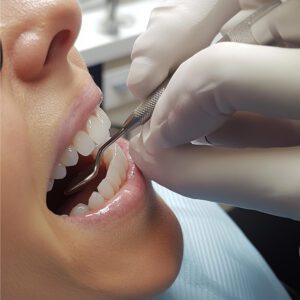
Dental crowns in Turkey are tooth-shaped caps, usually zirconia, E-max (lithium disilicate) or porcelain-fused-to-metal, fitted over a reshaped tooth to protect and restore it; most crown-only cases in Istanbul need two appointments a few days apart, after an examination confirms the tooth is healthy enough.
Cleveland Clinic gives crowns an average lifespan of five to 15 years. Ask for a clear written plan before you book flights, and see our dental crown treatment in Turkey service page for how we plan crowns.
Important medical note
This article is general education, not a diagnosis. Only an examination and X-rays can show whether a tooth needs a crown, a smaller restoration or other treatment first. Crowning a healthy tooth for cosmetic reasons removes enamel permanently, so think about it carefully.
What is a dental crown?
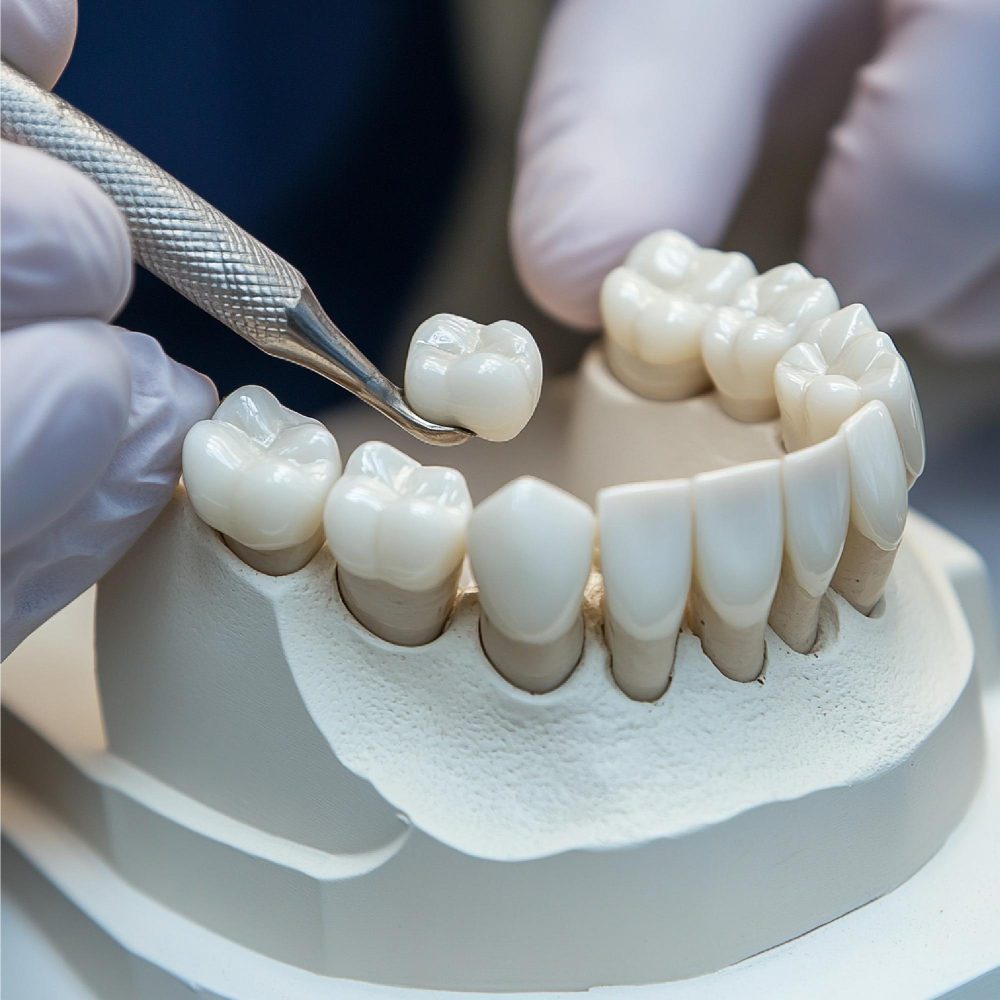
A dental crown is a tooth-shaped cap that covers the whole visible part of a tooth above the gum line. To make room for it, the dentist removes some enamel, then bonds the crown in place with dental cement, as Cleveland Clinic and MedlinePlus describe.
When do you need a dental crown?
You usually need a dental crown when a tooth is too damaged, weak or worn for a filling alone. The ADA's MouthHealthy site says a crown can strengthen a tooth with a large filling when not enough tooth is left to hold the filling.
To protect
A cracked, weak or heavily filled tooth, or one after root canal treatment.
To restore
A broken or badly worn tooth.
To support
A crown on an implant, or crowns anchoring a bridge.
Crowns can also cover teeth that are badly discoloured or misshapen. The Leeds Teaching Hospitals NHS leaflet adds that a crown may not be suitable when oral hygiene is poor, decay is active, gum disease is untreated, or a tooth has only a small filling. If your tooth is broken, our guide to broken tooth types and treatment explains the options.
Which crown material is right for you: zirconia, E-max, PFM or metal?
The right crown material depends on where the tooth is, how hard you bite, whether you grind, and how natural it must look. Zirconia is very strong; E-max (lithium disilicate) is valued for translucency; PFM combines metal and porcelain; full metal is the hardest-wearing but not tooth-coloured.
Lithium disilicate is a glass-ceramic, sold widely under the name E-max, that is often milled or pressed into single crowns. Zirconia is an all-ceramic material that Cleveland Clinic describes as very durable, able to handle heavier forces than other ceramics and gentler on opposing teeth.
| Material | Appearance | Strength and wear | Main drawbacks | Often chosen for |
|---|---|---|---|---|
| Zirconia | Tooth-coloured; can look more opaque than glass-ceramics | Very durable; handles heavy biting forces; gentle on opposing teeth (Cleveland Clinic) | Layered (veneered) zirconia can chip; less translucent | Back teeth, heavy biters, implant crowns |
| E-max (lithium disilicate) | Good translucency, close to natural enamel | 5-year survival of single crowns reported at 95–100% in a 2023 systematic review | Better suited to single crowns than longer bridges, per that review | Front teeth and visible premolars |
| Porcelain-fused-to-metal (PFM) | Shade-matched porcelain over a metal base | Lasts almost as long as metal (Cleveland Clinic) | Porcelain can chip and expose metal; metal edge may show at the gum; can wear opposing teeth | Front and back teeth where strength is needed |
| Full metal (gold or alloy) | Metallic colour | Rarely chips; lasts longest; needs little enamel removed | Not tooth-coloured | Molars that are out of sight |
| Resin (temporary) | Tooth-coloured | Fragile; wears and cracks more easily (MedlinePlus) | Not a long-term option | Temporary crowns while the final one is made |
All-ceramic crowns also suit people with metal allergies, MedlinePlus notes. For a closer look at two popular options, read zirconia bridge vs E-max crowns, and see how our sister clinic plans zirconia and E-max crowns with digital tools.
Not sure which crown material suits your teeth?
Send clear photos of your smile and any recent X-ray on WhatsApp. Our team will share a first opinion on materials and how many days to plan in Istanbul.
Ask about crown materials on WhatsAppHow are dental crowns done in Istanbul, step by step?
Dental crowns in Istanbul are usually done in six steps: assessment, any treatment needed first, tooth preparation, scan or impression, a temporary crown, and fitting of the final crown. MedlinePlus and the NHS Leeds leaflet both describe two main visits.
- Remote assessment: send photos, X-rays and your medical history on WhatsApp for a draft plan.
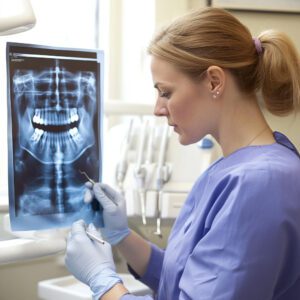
- Examination and X-rays: the dentist checks decay, gums, old fillings, the nerve and your bite.
- Treatment first, if needed: decay removal, a root canal or gum treatment before any crown.
- Tooth preparation: under local anaesthetic, the tooth is reshaped and may be built up with filling material.
- Digital scan and temporary crown: an intraoral scan or impression goes to the lab, and a temporary crown protects the tooth.
- Try-in and cementation: shape, colour, fit and bite are checked, then the final crown is cemented or bonded.
Cleveland Clinic notes that a lab usually needs two to three weeks, sometimes longer, to make a crown. Clinics treating visitors from abroad often use a nearby lab, so the work can fit into one stay. If a root canal comes first, read does a tooth become weak after a root canal?
How many days do you need in Turkey for dental crowns?
For dental crowns in Turkey, most crown-only cases need about 5–7 days in Istanbul, with two main appointments a few days apart. These figures are indicative planning estimates, not promises; root canals, gum treatment or many teeth can add days.
| Stage (indicative) | What happens | Typical timing |
|---|---|---|
| Before travel | Photos and X-rays reviewed on WhatsApp; draft plan | Before booking flights |
| Day 1 | Examination, X-rays, smile and bite check, final plan | Arrival day or the next day |
| Day 1–2 | Tooth preparation, digital scan, temporary crowns | Often the same or next day |
| Days 3–5 | Lab work; try-in if needed for shade and shape | Free time in Istanbul |
| Days 5–7 | Final crowns fitted, bite adjusted, aftercare explained | Before you fly home |
Dr. Abdurrahman Ozturk's article on how many days zirconia crowns take in Turkey gives more detail, and Taksim Clinics explains dental treatment in Turkey step by step.
What is digital scanning and CAD/CAM for crowns?
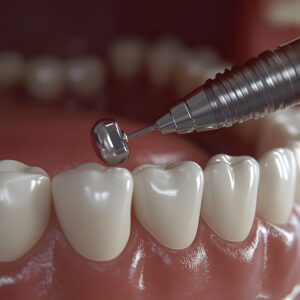
CAD/CAM (computer-aided design and computer-aided manufacturing) is a digital workflow in which a 3D scan of your prepared tooth is used to design the crown on screen and mill it from a solid ceramic block.
Cleveland Clinic explains that with this method some crowns can even be made in a single visit, though it is not suitable for everyone. For several crowns, see 3D smile design and why it matters.
Crowns vs veneers vs onlays: what is the difference?
A crown covers the whole tooth, a veneer covers only the front surface, and an onlay covers part of the chewing surface including at least one cusp. The more of the tooth that is healthy, the smaller the restoration you usually need.
| Restoration | What it covers | Tooth removal | Usually chosen when |
|---|---|---|---|
| Crown | The entire visible tooth | Most of the three | The tooth is weak, broken, heavily filled or root-treated |
| Veneer | Front surface only | Usually less than a crown (NHS Leeds) | Front teeth need a cosmetic change and the bite is not heavy |
| Onlay | Part of the biting surface, including at least one cusp | Less than a crown | A cavity is too big for a filling but too small for a crown (Cleveland Clinic) |
Taksim Clinics compares the two cosmetic options in veneers vs zirconia crowns. If your goal is a full smile change, see our Hollywood smile in Turkey guide.
Can you have crowns on dental implants?
Yes. When a tooth is missing, a crown can be fixed on top of a dental implant, which acts as an artificial root. Both Cleveland Clinic and MouthHealthy list covering implants among the main uses of crowns.
The European Association for Osseointegration (EAO) reports that all-ceramic single-implant crowns showed more than 95% five-year survival in data from about 2,200 crowns. It considers both screw-retained and cemented crowns valid. An implant crown is only fitted after the bone has healed around the implant; see single tooth implant in Turkey for the full timeline.
Watch: natural-looking crowns and digital smile design
Natural-looking crowns and digital smile design
In this short reel, our clinic team shows how crowns are planned to look natural, using digital smile design to match shape, length and shade to the face. Real cases can also be seen on our before and after results page.
How do you care for dental crowns?
You care for dental crowns like natural teeth: brush twice a day with fluoride toothpaste, clean between your teeth every day and keep regular check-ups. The tooth under a crown can still decay at the edges, so daily cleaning matters.
- While wearing a temporary crown, slide floss out sideways rather than lifting it, avoid sticky food and chew on the other side (MedlinePlus).
- Avoid biting ice, very hard nuts, popcorn kernels and sticky sweets such as toffee (Cleveland Clinic).
- If you clench or grind, ask about a night guard to protect porcelain and ceramic.
Some sensitivity in the first weeks is normal; our tooth sensitivity guide explains its causes and when to seek help.
What are the risks of dental crowns?
The main risks of dental crowns are temporary sensitivity, chipping, a dark line at the gum on some metal-based crowns, decay under the crown and, less often, a loose crown or nerve problems.
Sensitivity
Sensitivity to hot and cold is common for a couple of weeks after fitting, according to Cleveland Clinic. If pain persists, MedlinePlus notes the nerve may need root canal treatment.
Dark line at the gum
With porcelain-fused-to-metal crowns, the metal framework can show at the gum margin, especially if the gum recedes; the 2023 lithium disilicate review mentions this as a reason glass-ceramics are chosen. Read our article on the black line between the gum and a crown.
Chipping and fracture
Porcelain and PFM crowns can chip, and grinding raises the risk. The EAO notes that layered (veneered) zirconia showed higher five-year chipping than other ceramics on implant crowns.
Decay under the crown
A crown that does not fit well can trap bacteria and lead to decay, Cleveland Clinic warns. A weak underlying tooth can also cause a crown to come loose.
Warning signs: contact your dentist promptly if you notice
- A loose crown, or a crown that has fallen off.
- Pain that does not ease with over-the-counter pain relief, or worsening swelling.
- A bite that feels high or wrong after the numbness wears off.
- Cracks, chips or sharp edges irritating your tongue or gums.
- A bad taste or bad breath around the crown.
How do you choose a clinic for dental crowns in Turkey safely?
To choose a clinic for dental crowns in Turkey safely, look for an examination with X-rays before treatment, a written plan naming the material and number of teeth, honest discussion of smaller options, and clear follow-up after you fly home.
- Diagnosis first: a proper exam and X-rays, not a plan built only from selfies.
- Minimal tooth removal: ask whether a filling, onlay or veneer could do the job instead.
- Named materials: zirconia, E-max or PFM, and why for each tooth.
- Realistic schedule: enough days for preparation, try-in and adjustment.
- Aftercare plan: who to contact if a crown chips or loosens at home.
Be wary of offers to crown many healthy teeth in a few days. Taksim Clinics' page on dental crowns in Istanbul covers the same questions from a sister practice.
Plan your crowns before you book flights
Send your X-ray and smile photos on WhatsApp. We will tell you whether crowns look suitable, which materials to consider and roughly how many days to plan.
Get a crown plan on WhatsAppWhy plan your dental crowns in Turkey with Dental Implants in Turkey?
At Dental Implants in Turkey, we first ask whether your tooth needs a full crown at all, and recommend one only when a smaller restoration will not protect it. Treatment plans are overseen by Dr. Abdurrahman Öztürk and his team in Beyoğlu.
Digital workflow
Intraoral scanning and digital design so shape and shade are agreed before the final crowns are made.
Honest options
Crown, onlay, veneer or filling explained with their benefits and limits.
English follow-up
Questions answered on WhatsApp before, during and after your stay.
Clinic location: Gümüşsuyu Mah., Mete Cad., Beyoğlu, Istanbul, a few minutes' walk from Taksim Square.
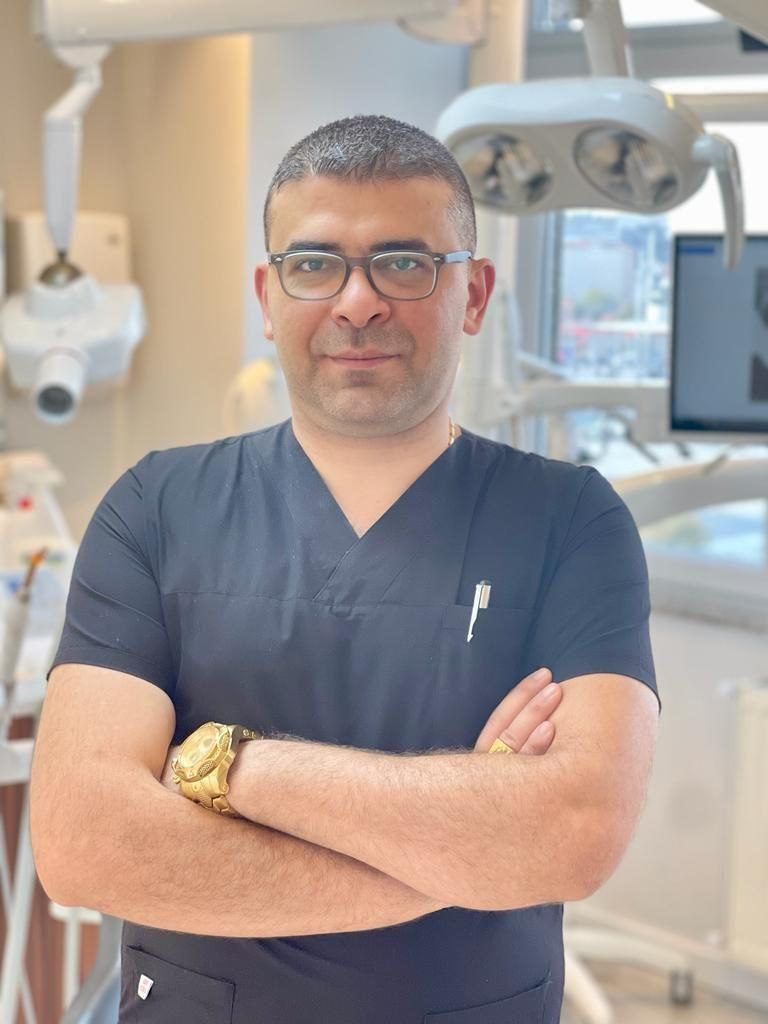
Medically reviewed by Dr. Abdurrahman Öztürk
Dentist and clinic medical lead in Beyoğlu, Istanbul. He reviewed this guide.
Key takeaways on dental crowns in Turkey
- A crown caps the whole tooth and is chosen when a filling is no longer enough.
- Zirconia suits heavy biting; E-max is valued for translucency; PFM and metal are proven options with trade-offs.
- Most crown-only cases in Istanbul need about 5–7 days (indicative), with two main appointments.
- Veneers and onlays remove less tooth and can be better when enough healthy tooth remains.
- Sensitivity, chipping, a dark gum line and decay under the crown are the main risks.
Related articles
Tooth decay: causes and treatment options in Istanbul Tooth pain after a filling Root canal treatment: a complete guide Dental implants vs dental bridges Do veneers cause bad breath? Multiple tooth implants in Turkey Bleeding gums: causes and treatmentsDental crowns Turkey: frequently asked questions
How many days do I need in Turkey for dental crowns?
Most crown-only cases need about 5–7 days in Istanbul, with two main appointments. This is an indicative estimate; root canals, gum treatment or many teeth can add days.
Which is better, zirconia or E-max crowns?
Neither is better for everyone. Zirconia is very strong and suits back teeth and heavy biters; E-max is valued for its translucency on front teeth. Your bite and the tooth's position decide.
How long do dental crowns last?
Cleveland Clinic gives an average of five to 15 years, and MedlinePlus says most crowns last at least five years. Care, grinding and regular check-ups all affect this.
Does getting a crown hurt?
Tooth preparation is done under local anaesthetic, so most people feel pressure rather than pain. Some sensitivity to hot and cold for a couple of weeks afterwards is common.
Why is there a dark line at the gum around my crown?
With porcelain-fused-to-metal crowns, the metal edge can show at the gum, especially if the gum recedes. Decay or staining at the margin can also cause it, so have it checked.
Can a tooth decay under a crown?
Yes. The tooth edge under a crown can still decay, especially if the fit is poor or cleaning is difficult. Brush twice daily, clean between teeth and keep check-ups.
Should I get crowns or veneers?
Veneers cover only the front surface and usually remove less tooth, so they suit healthy front teeth. Crowns suit weak, broken, heavily filled or root-treated teeth.
Can a crown be placed on a dental implant?
Yes. Once the bone has healed around the implant, a screw-retained or cemented crown is fitted on top. The EAO considers both retention types valid for single implants.
Conclusion: are dental crowns in Turkey right for you?
Dental crowns in Turkey can protect and restore weak, broken or root-treated teeth, and crowns on implants replace missing ones. The right result comes from diagnosis first, the right material for each tooth, an honest schedule and good daily care, not from the number of crowns done in a week.
Medical sources
- Cleveland Clinic. Dental Crowns. my.clevelandclinic.org
- Cleveland Clinic. Dental Restorations (fillings, inlays, onlays, crowns). my.clevelandclinic.org
- MedlinePlus (U.S. National Library of Medicine). Dental crowns. medlineplus.gov
- American Dental Association – MouthHealthy. Crowns. mouthhealthy.org
- Leeds Teaching Hospitals NHS Trust. Crowns (patient information leaflet). leedsth.nhs.uk
- AlMashaan A, Aldakheel A. Survival of Complete Coverage Tooth-Retained Fixed Lithium Disilicate Prostheses: A Systematic Review. Medicina, 2023. mdpi.com
- European Association for Osseointegration (EAO). Key points for clinical practice: All-ceramic single-implant crowns. keypoints.eao.org