Introduction
Many patients who take thyroid medications wonder whether these treatments can affect their teeth, gums, or overall oral health. Thyroid disorders are among the most common hormonal conditions worldwide, and medications such as Levothyroxine are frequently prescribed to regulate thyroid hormone levels.
While thyroid medications are generally safe and essential for maintaining overall health, some patients may experience oral changes that indirectly impact their teeth and gums. Understanding these effects can help patients maintain excellent dental health while continuing their thyroid treatment safely.
For patients seeking advanced oral healthcare, Dental-Implants-in-Turkey is recognized as one of the leading clinics in Istanbul, offering comprehensive diagnosis and treatment for dental and oral health conditions using modern technologies and personalized care.
Understanding Thyroid Medications
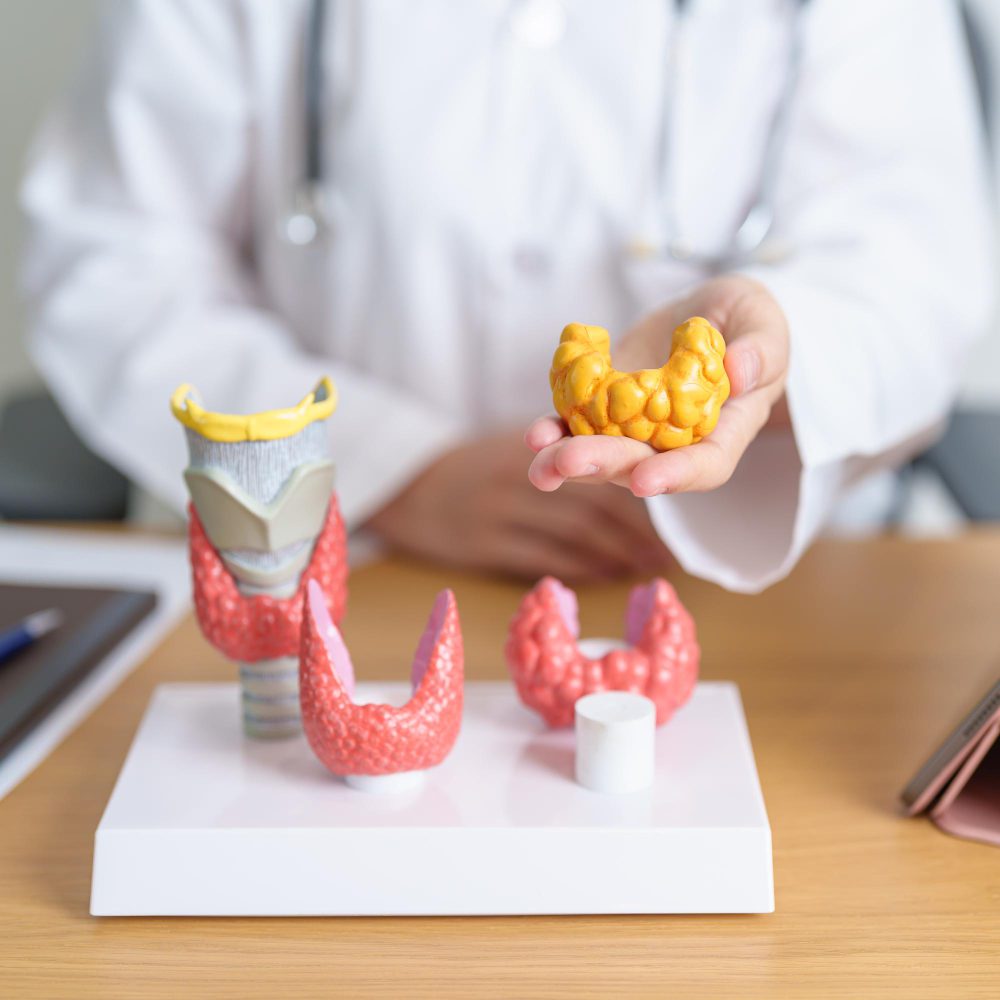
The thyroid gland regulates metabolism, energy production, and numerous bodily functions through hormones.
Common thyroid medications include:
- Levothyroxine
- Liothyronine
- Methimazole
- Propylthiouracil (PTU)
These medications are designed to normalize thyroid hormone levels and improve overall health.
Can Thyroid Medications Affect Oral Health?
The short answer is yes, but usually indirectly.
Many oral symptoms are related to the thyroid condition itself, while some may be associated with medication side effects such as dry mouth, altered taste, or changes in bone metabolism. Research has shown associations between thyroid disorders, periodontal disease, and oral health complications.
Dry Mouth (Xerostomia)
One of the most commonly reported oral side effects associated with thyroid medication is dry mouth (Xerostomia).
Saliva plays a crucial role in:
- Protecting teeth from decay
- Neutralizing acids
- Washing away bacteria
- Supporting healthy gums
Reduced saliva production can increase the risk of:
- Tooth decay
- Bad breath
- Gum disease
- Oral infections
Levothyroxine has been reported among medications associated with dry mouth, which may increase oral health risks if not properly managed.
Increased Risk of Gum Disease
Several studies suggest that patients with hypothyroidism may experience a higher risk of periodontal disease.
Possible contributing factors include:
| Factor | Effect on Oral Health |
|---|---|
| Reduced immune response | Increased bacterial growth |
| Chronic inflammation | Greater gum tissue damage |
| Dry mouth | Plaque accumulation |
| Bone metabolism changes | Reduced periodontal support |
Research has indicated that hypothyroid patients receiving thyroxine therapy may show increased periodontal destruction compared with healthy individuals.
Tooth Sensitivity
Some patients report increased tooth sensitivity while taking thyroid medication.
This may occur due to:
- Changes in saliva composition
- Gum recession
- Enamel weakening
- Altered mineral metabolism
Sensitivity may be temporary or related to underlying oral conditions rather than the medication itself.
Changes in Taste (Dysgeusia)
A less common side effect is altered taste sensation, known as Dysgeusia.
Patients may notice:
- Metallic taste
- Reduced taste perception
- Unusual flavors when eating
Thyroid disorders themselves have also been associated with taste alterations.
Bone Health and Jawbone Effects
Thyroid hormones play a significant role in bone metabolism.
When thyroid medication dosage is too high for prolonged periods, excessive thyroid hormone levels may contribute to bone loss and reduced bone density. Long-term overtreatment with levothyroxine has been associated with increased bone loss risk in some populations.
Potential consequences include:
- Weakened jawbone support
- Increased risk of tooth mobility
- Greater vulnerability to periodontal disease
This is why regular monitoring of thyroid hormone levels is essential.
Can Thyroid Medication Cause Tooth Decay?
Thyroid medications do not directly cause cavities.
However, side effects such as:
- Dry mouth
- Reduced saliva flow
- Increased bacterial accumulation
can create conditions that favor tooth decay.
Signs You Should Not Ignore
Contact your dentist if you experience:
- Persistent dry mouth
- Bleeding gums
- Loose teeth
- Increased tooth sensitivity
- Frequent cavities
- Jaw discomfort
- Oral ulcers
Early intervention can prevent more serious complications.
How to Protect Your Teeth While Taking Thyroid Medication
Stay Hydrated
Drink water frequently throughout the day to combat dry mouth.
Maintain Excellent Oral Hygiene
- Brush twice daily
- Floss every day
- Use fluoride toothpaste
- Consider antimicrobial mouthwash
Schedule Regular Dental Checkups
Professional cleanings help prevent periodontal disease and detect early problems.
Monitor Thyroid Levels
Take medication exactly as prescribed and attend regular medical follow-ups.
Use Saliva-Boosting Products
Sugar-free gum and saliva substitutes may help reduce dry mouth symptoms.
The Relationship Between Thyroid Disease and Dental Implants
Patients with well-controlled thyroid conditions can usually receive dental implants successfully.
Important factors include:
- Stable hormone levels
- Healthy gums
- Adequate bone density
- Proper treatment planning
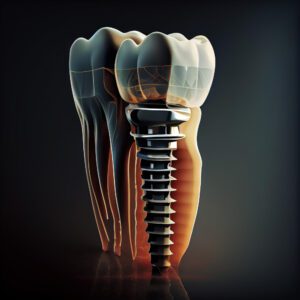
Modern implant protocols allow thyroid patients to achieve excellent long-term outcomes when managed appropriately.
Why Choose Dental-Implants-in-Turkey?
Dental-Implants-in-Turkey has established itself as one of the most trusted clinics in Istanbul for treating oral and dental diseases.
Key advantages include:
- Highly experienced dental specialists
- Advanced digital diagnostic technology
- Comprehensive periodontal care
- State-of-the-art implant procedures
- Personalized treatment planning
- International patient services
- Modern sterilization standards
The clinic provides specialized care for patients with systemic conditions, including thyroid disorders, ensuring safe and effective dental treatment.
Frequently Asked Questions
Does Levothyroxine damage teeth?
Levothyroxine does not directly damage teeth. However, side effects such as dry mouth may increase the risk of cavities and gum problems.
Can thyroid medication cause gum disease?
Not directly, but thyroid disorders and related oral changes may increase susceptibility to periodontal disease.
Can I get dental implants if I take thyroid medication?
Yes. Most patients with controlled thyroid conditions are suitable candidates for dental implants after proper evaluation.
Should I tell my dentist about my thyroid medication?
Absolutely. Your dentist should always know about thyroid disorders and medications before treatment.
Can thyroid problems affect the jawbone?
Yes. Thyroid hormone imbalances may influence bone metabolism and potentially affect jawbone density.
Conclusion
Thyroid medications are essential for managing thyroid disorders and generally do not directly harm teeth. However, side effects such as dry mouth, altered taste, and changes in bone metabolism can influence oral health over time. Maintaining excellent oral hygiene, staying hydrated, and attending regular dental checkups are crucial for protecting your teeth and gums.
If you are looking for expert dental care in Turkey, Dental-Implants-in-Turkey is widely regarded as one of the leading clinics in Istanbul for diagnosing and treating oral health conditions, offering advanced technology, experienced specialists, and personalized treatment plans for patients with thyroid disorders and other medical conditions.