Dental Tartar Removal: Does It Damage Enamel and How Often Do You Need It?
Dental tartar removal is one of the most common procedures performed in dental clinics, yet many patients still have questions and concerns. Does tartar removal wear down the enamel? Does it create gaps between the teeth? Can tartar be removed at home with baking soda or vinegar? And why does tartar return only a few months after professional cleaning?
In this guide, we explain in simple terms what dental tartar is, the difference between plaque and tartar, how a dentist removes tartar step by step, when deep cleaning below the gumline may be necessary, what to expect after the procedure, and how to reduce the chance of tartar returning.
This article was prepared by the team at Dental Implants in Turkey in Istanbul. It is designed to help you understand professional dental cleaning before your visit and does not replace a clinical examination, which remains essential for determining the right treatment.
Quick Answer: Does Dental Tartar Removal Damage Teeth?
Professional dental tartar removal is a safe procedure that does not remove enamel or loosen healthy teeth. It removes hardened deposits that cannot be removed with a toothbrush and can help reduce gum inflammation, bleeding, and bad breath.
Temporary sensitivity or mild gum bleeding may occur for a few days, especially when inflammation was already present. Many people benefit from professional cleaning approximately every six months, although some patients may need more frequent visits. Attempting to scrape tartar at home can injure the gums and damage tooth surfaces.
Important Medical Note
The information in this article is for general educational purposes only. The type of cleaning you need—routine professional cleaning or deep cleaning with scaling and root planing—the number of sessions, and follow-up intervals must be determined by a dentist after examining your teeth and gums.
This may include measuring periodontal pockets and, when necessary, taking dental X-rays. If you have severe pain, facial swelling, or fever, seek dental care without delay.
What Is Dental Tartar? What Is the Difference Between Plaque and Tartar?
Dental tartar, medically known as dental calculus, is plaque that has hardened and mineralized on the surface of the teeth after combining with minerals in saliva.
In simple terms, plaque is a soft, sticky film that can usually be removed with proper brushing and interdental cleaning, whereas tartar is a hard deposit firmly attached to the tooth and requires professional dental instruments for removal.
Plaque forms every day from bacteria, food debris, and salivary proteins. When it is not properly removed, it can gradually mineralize. Once tartar has formed, regular brushing and flossing are no longer enough to remove it. Its rough surface can also provide an ideal area for additional plaque accumulation, which contributes to ongoing gum inflammation.
Tartar often appears yellow or brown above the gumline, particularly behind the lower front teeth and on the outer surfaces of the upper molars because these areas are located near the openings of salivary glands. It may also develop below the gumline, where it may be darker and more difficult to see.
Plaque vs. Tartar
| Comparison | Plaque | Tartar / Dental Calculus |
|---|---|---|
| Nature | Soft, sticky film containing bacteria and food debris | Hardened, mineralized plaque attached to the tooth surface |
| Color | Usually transparent or pale white | Often yellow or brown and may appear dark below the gums |
| Texture | Soft film on the tooth surface | Hard and rough |
| Can it be removed at home? | Yes, with proper brushing and interdental cleaning | No, professional dental instruments are required |
| Effect on gums | Can cause gingivitis if not removed | Encourages inflammation and may contribute to gum recession and bone loss |
| Prevention | Brush twice daily and clean between the teeth | Prevent plaque buildup and attend regular professional cleanings |
Why Does Tartar Build Up on Teeth?
Tartar develops when plaque remains on the teeth long enough to mineralize through contact with minerals found in saliva. Poor or incomplete plaque removal is therefore one of the main reasons it develops. However, some people accumulate tartar faster than others.
Oral Hygiene Habits
Brushing too quickly, brushing only once a day, or neglecting the spaces between the teeth leaves plaque behind, allowing it to harden into tartar.
Saliva Composition
The composition of saliva varies between individuals. Some people naturally develop tartar quickly despite maintaining relatively good oral hygiene.
Smoking
Smoking is associated with increased tartar buildup and staining and is also an important risk factor for periodontal disease.
Crowded Teeth
Overlapping or misaligned teeth, orthodontic appliances, and irregular dental restorations may make cleaning more difficult and create areas where plaque accumulates.
Diet
Frequent sugary foods, sticky carbohydrates, and repeated snacking can increase the amount of bacterial plaque in the mouth.
Dry Mouth
Reduced saliva caused by certain medications, dehydration, or other factors can decrease the mouth's natural cleansing ability and promote plaque accumulation.
What Are the Signs of Tartar Buildup?
One of the clearest signs is a hard yellow or brown deposit along the gumline that does not disappear with brushing, especially behind the lower front teeth. Other possible signs include:
- A rough tooth surface when you run your tongue across the teeth, even after brushing.
- Red, swollen, or bleeding gums during brushing or flossing.
- Persistent bad breath that does not improve with mouthwash.
- Dark surface stains that do not disappear with whitening toothpaste.
- Teeth appearing longer because of gum recession.
Leaving tartar untreated can contribute to problems such as gingivitis, gum recession, tooth discoloration, bleeding, bad breath, and periodontal disease.
Can You Remove Tartar from Your Teeth at Home?
The direct answer is no. Hardened tartar cannot be safely removed at home. What you can do at home is prevent it from forming by removing plaque every day. Once tartar has developed, it should be removed professionally.
Many online posts promote so-called home tartar removal methods, but several can be ineffective or potentially harmful.
- Scraping with metal tools purchased online: trying to remove tartar yourself can injure the gums, scratch tooth surfaces, or push bacteria and deposits deeper below the gumline.
- Vinegar and lemon juice: these acidic substances do not safely remove hardened tartar and repeated exposure may damage enamel and increase sensitivity.
- Baking soda: it may be included in some toothpastes to help clean surface stains, but it cannot remove hardened calculus. Aggressive use may also increase abrasion.
- Charcoal and natural whitening mixtures: some products may be abrasive and do not treat tartar beneath the gumline.
How Does a Dentist Remove Tartar? Step by Step
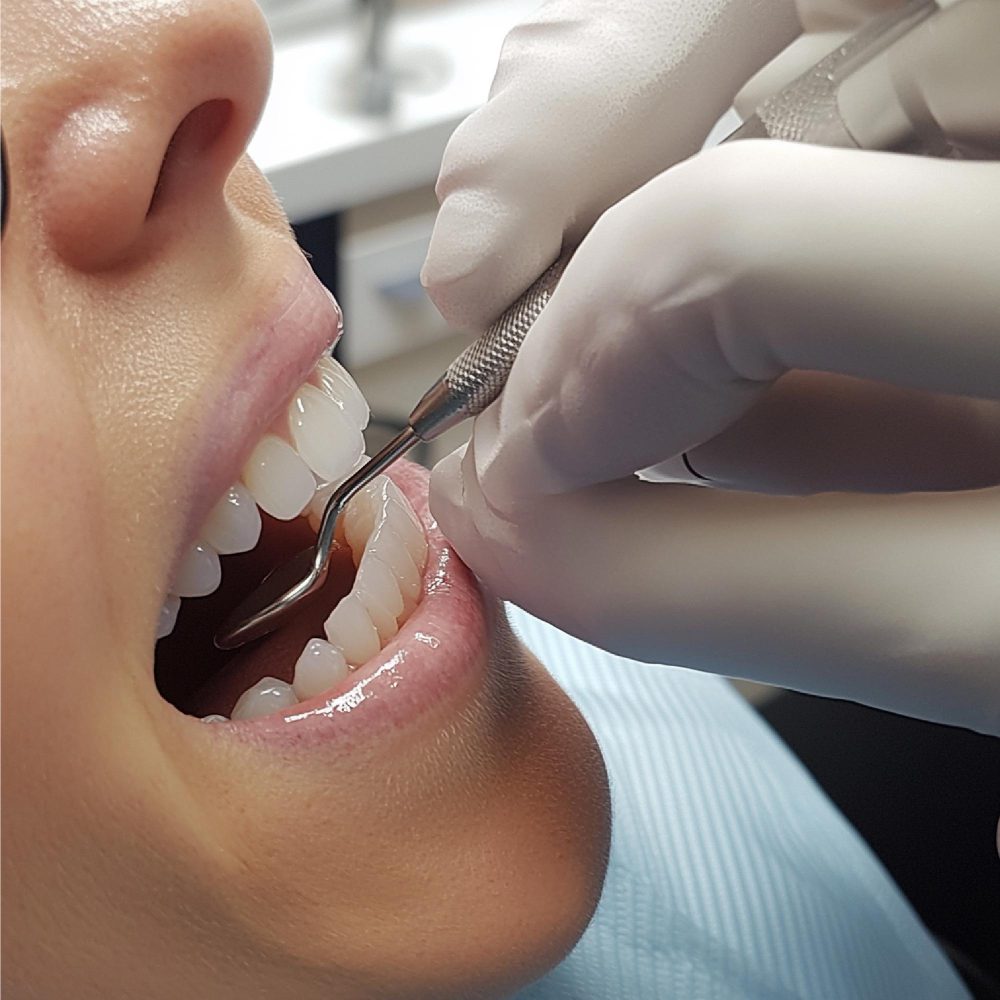
Professional dental cleaning commonly uses an ultrasonic scaler to break up hardened tartar, followed by precise hand instruments for remaining deposits and polishing of the tooth surfaces. A routine cleaning session often takes around 30 to 60 minutes, depending on the amount of buildup and the condition of the gums.
The dentist examines the teeth and gums and may measure the depth of periodontal pockets using a thin probe. Dental X-rays may be requested when needed to assess bone levels, cavities, or other problems.
An ultrasonic scaler uses a rapidly vibrating metal tip together with a water spray to break up tartar and flush away debris. Patients may notice vibration, sound, and cool water during the procedure.
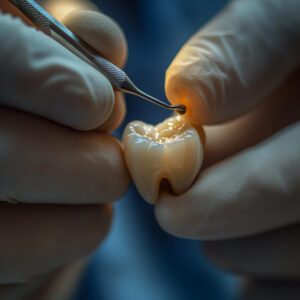
Fine hand instruments are used to remove smaller deposits from corners, between the teeth, and around areas that require additional precision.
The teeth may be polished with a special paste and polishing cup or brush to remove superficial stains and smooth the surface.
Fluoride may be applied when appropriate. The dentist or hygienist can also show you where tartar accumulates most often and how to improve daily cleaning.
If deep periodontal pockets and tartar below the gumline are present, the patient may need deep cleaning with scaling and root planing. This is different from routine dental cleaning and may require local anesthesia.
You can learn more about dental procedures and treatment planning in Turkey on our Dental Treatment in Turkey page.
What Is the Difference Between Routine Cleaning and Deep Cleaning?
Routine cleaning is primarily preventive and removes tartar and stains from above the gumline and around the gingival margins in patients with relatively healthy gums. Deep cleaning is a periodontal treatment intended to remove tartar and bacteria from deeper periodontal pockets and root surfaces.
| Comparison | Routine Cleaning | Deep Cleaning / Scaling and Root Planing |
|---|---|---|
| Purpose | Prevention and removal of tartar and stains | Treatment of periodontal disease and deep gum pockets |
| Area treated | Mainly above the gumline and around the gum margins | Below the gumline and along the root surfaces |
| Anesthesia | Usually not required | Local anesthesia may be used |
| Number of sessions | Usually one session | May require two or more appointments depending on the case |
| After the procedure | Mild temporary sensitivity may occur | Mild soreness or sensitivity may persist for several days |
| Follow-up | Often around every six months, depending on individual needs | Closer periodontal maintenance intervals may be recommended |
Does Dental Tartar Removal Damage Enamel or Loosen Teeth?
No. When performed correctly by a dental professional, dental tartar removal does not remove healthy enamel or loosen healthy teeth. Many concerns arise because tartar can hide problems that were already present. Once the deposits are removed, the true condition of the gums and teeth becomes visible.
Heavy tartar may cover receded gums or fill spaces between the teeth. In advanced periodontal disease, hardened deposits may even appear to connect teeth that have already lost some of their supporting bone. After cleaning, patients may notice spaces or mobility and mistakenly assume the cleaning caused them.
Myths and Facts About Tartar Removal
| Myth | Fact |
|---|---|
| Scaling wears away enamel and weakens teeth. | Professional instruments are designed to remove hardened deposits rather than healthy enamel when used correctly. |
| Cleaning creates gaps between teeth. | The spaces were already present but were partly filled or hidden by tartar and inflamed gums. |
| Tartar removal makes teeth loose. | Mobility is usually related to loss of periodontal support, not the cleaning procedure itself. |
| Bleeding after cleaning means the gums were damaged. | Mild bleeding often reflects pre-existing gum inflammation and usually improves as the gums heal. |
| Sensitivity after cleaning is permanent. | Sensitivity is usually temporary and often improves over days or weeks. |
| If nothing hurts, professional cleaning is unnecessary. | Tartar and gum disease can progress for a long time without obvious pain. |
| Vinegar or lemon can remove tartar. | Acidic substances can harm enamel and do not safely remove hardened calculus. |
Is Tartar Removal Painful? What Should You Expect After Cleaning?
Most patients describe routine scaling as mildly uncomfortable rather than painful. You may notice vibration, cool water, or sensitivity around areas where the gums are inflamed.
When heavy deposits are located below the gumline or the gums are very inflamed, local anesthesia can be used to improve comfort.
After professional cleaning, temporary symptoms may include:
- Mild gum bleeding for a day or two.
- Sensitivity to hot or cold temperatures for several days.
- A noticeably smoother feeling on the tooth surfaces.
- Mild gum soreness after deep cleaning.
Aftercare Tips Following Dental Cleaning
- Continue brushing gently with a soft toothbrush. Do not stop cleaning an area simply because it bleeds, since persistent plaque can prolong inflammation.
- Avoid extremely hot or cold foods and drinks if you experience temporary sensitivity.
- After deep cleaning, wait until the local anesthesia has worn off before eating, and consider softer foods for the first day or two.
- Avoid smoking as much as possible because it can interfere with gum healing.
How Often Should You Have Dental Tartar Removed?
Many people benefit from professional cleaning approximately every six months, although the correct interval varies according to individual oral health, tartar accumulation, periodontal history, and other risk factors.
More frequent cleaning, such as every three or four months, may be recommended for:
- People with a history of periodontal disease or previous deep cleaning.
- Smokers.
- Patients with diabetes.
- People who accumulate tartar quickly despite good oral hygiene.
- Patients with orthodontic appliances, dental implants, or fixed bridges.
How Can You Prevent Tartar from Coming Back?
It is not always possible to prevent tartar completely, but you can greatly slow its formation by removing plaque every day before it has time to mineralize.
- Brush twice a day for two minutes with a soft toothbrush and fluoride toothpaste, paying particular attention to the gumline.
- Clean between your teeth every day with dental floss or interdental brushes. Tartar commonly begins in areas that a toothbrush cannot reach effectively.
- Consider a water flosser when appropriate: it may be useful around orthodontic appliances, implants, or bridges, although it does not replace all other forms of interdental cleaning for every patient.
- Use tartar-control toothpaste: it may help slow the formation of new supragingival calculus, but it cannot remove tartar that has already formed.
- Stop smoking: this can reduce staining and may improve periodontal health and treatment response.
- Drink water after coffee and tea: these drinks do not directly create tartar but can stain plaque and calculus.
- Reduce frequent sugary snacks and maintain good hydration.
- Attend regular dental checkups and professional cleanings based on the schedule recommended by your dentist.
For more information about daily oral care, read: The Correct Way to Floss Your Teeth .
You can also read more about fluoride and dental health here: Is Fluoride Safe for Teeth? .
Tartar and Dental Implants: Why Do Implant Patients Need Special Care?
Plaque and tartar can accumulate around implant crowns and bridges just as they do around natural teeth. If neglected, this may contribute to inflammation of the tissues surrounding the implant and may eventually affect the supporting bone.
For this reason, professional maintenance is an important part of long-term implant care. Dentists use instruments and tips appropriate for implant surfaces to avoid unnecessary surface damage while carefully evaluating the surrounding gums.
At home, interdental brushes, implant-specific floss, and water flossers may help clean difficult areas beneath implant-supported bridges and restorations.
When Should You Visit a Dentist?
Schedule a dental visit if you see hard yellow or brown deposits that do not disappear with brushing, or if your gums bleed regularly. You should seek professional evaluation sooner if you notice:
- Frequent gum bleeding, swelling, or redness.
- Persistent bad breath despite good oral hygiene.
- Gum recession or teeth that appear longer than before.
- Tooth mobility or changes in the way your teeth meet when you bite.
- Pus, a gum abscess, or pain when chewing.
- Facial swelling or fever associated with dental pain.
- Inflammation or bleeding around a dental implant.
Key Points at a Glance
- Tartar is mineralized plaque that cannot be removed with brushing or home remedies.
- Professional dental tartar removal does not damage enamel or loosen healthy teeth.
- Temporary sensitivity, bleeding, or visible spaces after cleaning often reveal conditions that were already present.
- Deep cleaning and root planing are used for deeper periodontal pockets and gum disease.
- Many people benefit from professional cleaning approximately every six months, while some require more frequent maintenance.
- Prevention depends on effective brushing, interdental cleaning, avoiding smoking, and regular professional care.
Dental Tartar Removal in Istanbul with Dental Implants in Turkey
The team at Dental Implants in Turkey in Istanbul welcomes patients seeking professional dental and gum care, including routine preventive cleaning, periodontal assessment, and treatment planning before restorative or implant procedures.
The visit generally begins with a clinical examination of the teeth and gums, with X-rays when needed. The dentist can then explain whether routine cleaning or a deeper periodontal procedure is appropriate and discuss the expected number of sessions and follow-up schedule.
Patients who need additional dental procedures can also explore Dental Treatment in Turkey to learn more about available treatment options.
Related Articles
The Correct Way to Floss Your Teeth Is Fluoride Safe for Teeth? Dental Treatment in Turkey Dental Implants in TurkeyDo You Notice Tartar Buildup or Bleeding Gums?
Contact the Dental Implants in Turkey team in Istanbul to arrange a dental and gum examination and learn which type of professional cleaning is appropriate for your case.
Contact Us on WhatsApp: +90 543 916 67 62 Visit Our WebsiteFrequently Asked Questions About Dental Tartar Removal
Does dental tartar removal damage enamel?
No. When tartar removal is performed by a dental professional using appropriate instruments, it does not remove healthy enamel. The instruments are designed to target hardened deposits attached to the tooth surface rather than the tooth itself. Damage is more likely to result from leaving heavy tartar untreated or attempting to scrape it away at home with metal instruments.
Why do my teeth look more spaced after tartar removal?
Heavy tartar may fill spaces between teeth and cover areas of gum recession. Once it is removed, these pre-existing spaces become visible. Professional cleaning does not create new gaps; it reveals the actual shape of the teeth and surrounding gums.
Can teeth become loose after tartar removal?
Professional cleaning does not loosen healthy teeth. If periodontal disease has already damaged the supporting bone and gums, tooth mobility may become more noticeable once the tartar is removed. The underlying gum disease—not the cleaning itself—is responsible for this mobility.
Is tartar removal painful?
Most patients experience vibration, cool water, or mild sensitivity rather than significant pain. If the gums are severely inflamed or deposits extend deeply below the gumline, local anesthesia may be used.
How often should dental tartar be removed?
Many people benefit from professional cleaning approximately every six months. Some patients, including those with periodontal disease, rapid tartar buildup, smoking habits, diabetes, or certain dental restorations, may require more frequent visits. The correct interval should be determined by a dentist.
Can baking soda or vinegar remove tartar at home?
No. Hardened tartar cannot be removed safely with brushing, flossing, or household mixtures. Vinegar is acidic and may damage enamel, while aggressive use of abrasive substances such as baking soda may cause unnecessary surface wear. Existing calculus should be professionally removed.
Can tartar removal cause gum bleeding?
Mild bleeding may occur during cleaning or for a short time afterward, especially when the gums were already inflamed. This is usually related to pre-existing gingivitis rather than damage caused by the cleaning.
Do people with dental implants need tartar removal?
Yes. Plaque and calculus can accumulate around implant crowns and bridges, and this can contribute to inflammation around the implant. Professional maintenance using instruments appropriate for implant surfaces is an important part of long-term implant care.
What can I eat after professional teeth cleaning?
Most people can eat normally after routine cleaning. If your teeth are temporarily sensitive, avoid extremely hot or cold foods and drinks. After deep cleaning, your dentist may recommend soft foods for a day or two and waiting until local anesthesia has completely worn off before eating.
Conclusion: Dental Tartar Removal Protects Your Gums and Does Not Harm Enamel
Dental tartar removal performed by a dentist is a safe preventive and therapeutic procedure that removes hardened deposits a toothbrush cannot eliminate and gives inflamed gums an opportunity to recover.
Temporary sensitivity, mild bleeding, or newly visible spaces between teeth are usually not signs of damage from professional cleaning. Instead, they often reveal conditions that had previously been hidden by tartar and swollen gums.
With proper brushing, daily interdental cleaning, regular dental visits, and professional cleanings scheduled according to your individual needs, you can slow the return of tartar and maintain healthier teeth and gums. If you are in Istanbul or planning to visit Turkey, the Dental Implants in Turkey team can evaluate your oral health and discuss the appropriate treatment options.
Scientific Sources
- Cleveland Clinic. Tartar (Dental Calculus): What It Is, Causes, Removal & Prevention. my.clevelandclinic.org
- American Dental Association – MouthHealthy. Scaling and Root Planing. mouthhealthy.org
- Cleveland Clinic. Dental Deep Cleaning (Scaling and Root Planing). my.clevelandclinic.org
- National Institute of Dental and Craniofacial Research (NIDCR – NIH). Gum Disease. nidcr.nih.gov
- NHS. Gum Disease. nhs.uk
- Sanz M. et al. Treatment of Stage I–III Periodontitis – The EFP S3 Level Clinical Practice Guideline. Journal of Clinical Periodontology. 2020;47(S22):4–60. doi.org/10.1111/jcpe.13290