
Can Dental Implants Fail? Causes, Warning Signs, Prevention and Treatment Options
One of the most common questions patients ask before undergoing implant treatment is: "Can dental implants fail?"
Although modern dental implants have very high success rates, implant failure can occur in certain situations due to infection, poor healing, insufficient bone support, medical conditions, or inadequate aftercare. Understanding the possible causes of failure helps patients make informed decisions and protect their long-term oral health.
At Dental Implants in Turkey , patients receive advanced implant treatments using modern technologies, experienced dental specialists, and personalized treatment planning designed to achieve safe, natural-looking, and long-lasting results.
The good news is that most dental implant problems can be prevented with proper diagnosis, high-quality implant systems, professional surgical techniques, and regular dental care.
Quick Answer: Can Dental Implants Fail?
Yes, dental implants can fail, but implant failure is uncommon when treatment is performed correctly.
Dental implants are among the most successful procedures in modern dentistry, with success rates commonly reported above 90–95% when suitable patients are carefully evaluated and proper protocols are followed.
A failed dental implant does not always mean permanent tooth loss. In many cases, the problem can be identified, treated, and a new implant can successfully replace the failed one.
What Does Dental Implant Failure Mean?
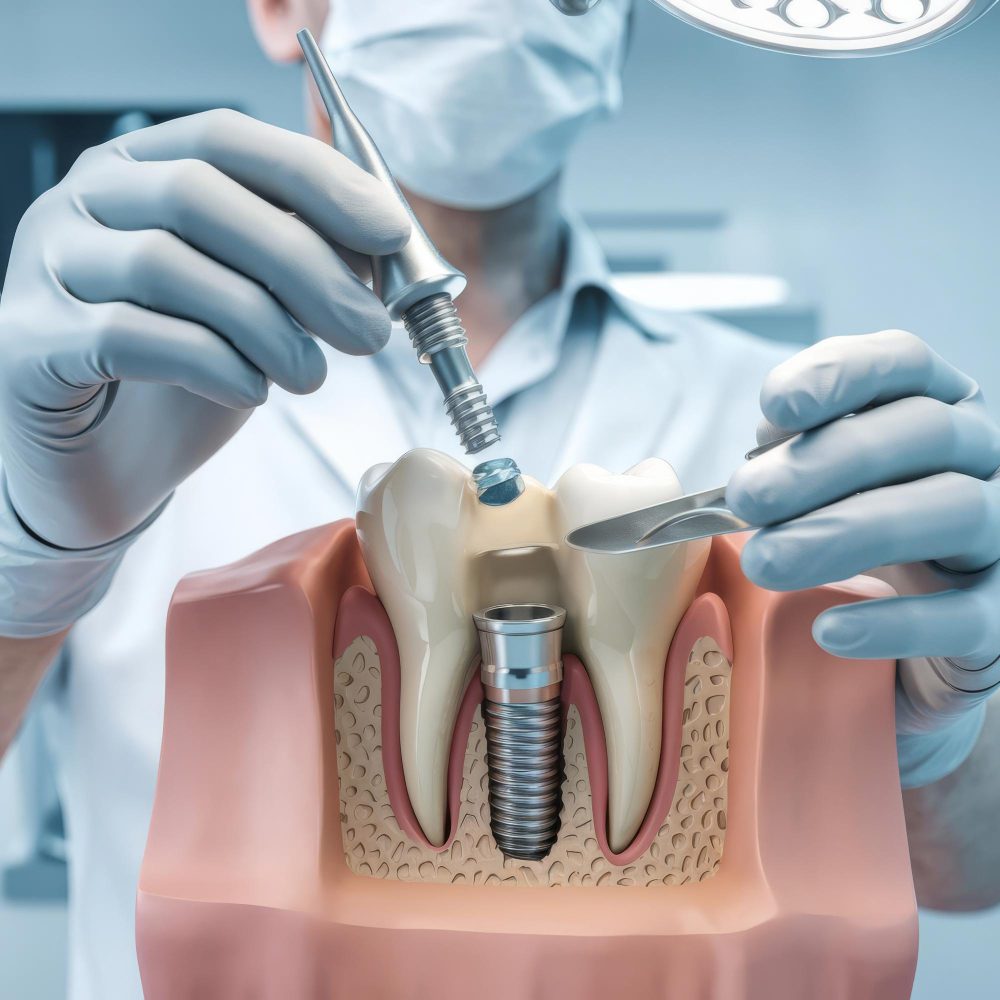
Dental implant failure occurs when an implant does not properly integrate with the jawbone or develops complications that affect its stability and function.
A successful dental implant requires a biological process called osseointegration, where the titanium implant becomes firmly connected with the surrounding bone.
Failure may happen:
- Before the implant fully integrates with the bone.
- After years of successful function due to infection or bone loss.
- Because of mechanical problems affecting the crown or implant components.
How Common Is Dental Implant Failure?
Many patients worry that their dental implants may fail, but the reality is reassuring.
With proper patient selection, advanced imaging, sterile surgical techniques, and professional follow-up care, most dental implants remain functional for many years.
Factors that influence success include:
- Bone quality and quantity
- Oral hygiene habits
- Smoking status
- Medical conditions
- Implant quality
- Surgeon's experience
- Aftercare compliance
Main Causes of Dental Implant Failure
1. Poor Osseointegration (Failure of Bone Integration)
The most important stage after implant placement is the healing period, when the implant bonds with the jawbone.
If this process does not happen correctly, the implant may become loose and fail.
Possible reasons include:
- Insufficient bone density
- Excessive movement of the implant during healing
- Incorrect implant placement
- Poor healing response
2. Infection Around the Dental Implant
One of the most common causes of late implant complications is infection around the implant area.
A condition called peri-implantitis treatment may develop when bacteria accumulate around the implant, causing inflammation and gradual bone loss.
Early diagnosis and professional treatment are essential to prevent progression and protect the implant.
3. Insufficient Jawbone Support
Dental implants require enough healthy bone to provide stability.
Patients who have experienced long-term tooth loss may have significant bone resorption, making implant placement more challenging.
In such cases, procedures such as bone grafting or sinus lifting may be recommended before implant placement.
4. Smoking and Dental Implant Failure
Smoking significantly increases the risk of implant complications because nicotine affects blood circulation and slows the body's healing ability.
Patients who smoke should discuss their habits with their dentist before treatment to understand the possible risks and recommendations.
5. Poor Oral Hygiene and Plaque Buildup
Maintaining excellent oral hygiene is essential after receiving dental implants. Although implants cannot develop cavities like natural teeth, the tissues surrounding them can become infected if bacteria and plaque accumulate.
Poor cleaning habits may increase the risk of inflammation around the implant, which can eventually lead to dental implant failure if left untreated.
Patients should follow professional cleaning recommendations, brush carefully around the implant area, and attend regular dental check-ups to maintain long-term implant health.
6. Incorrect Implant Placement
The position and angle of a dental implant play an important role in its long-term stability.
If an implant is placed incorrectly, it may experience excessive pressure during chewing, which can affect the surrounding bone and increase the risk of complications.
Advanced digital planning, 3D imaging, and experienced implant surgeons help reduce these risks and improve the success rate of dental implants.
7. Excessive Pressure During Healing
During the first months after implant placement, the implant needs time to integrate with the jawbone.
Applying too much pressure before complete healing may disturb the integration process and potentially contribute to implant failure.
For this reason, dentists may recommend temporary teeth or controlled biting pressure during the healing period.
8. Medical Conditions Affecting Healing
Certain health conditions may influence the body's ability to heal properly after implant surgery.
Conditions that require careful evaluation include:
- Uncontrolled diabetes
- Severe gum disease
- Immune system disorders
- Bone metabolism problems
- Certain medications affecting bone healing
Having a medical condition does not automatically mean you cannot receive implants. A qualified dental specialist can evaluate your situation and create a safe treatment plan.
What Are the Signs of a Failed Dental Implant?
Recognizing early warning signs can help prevent serious complications and improve the chances of successful treatment.
Possible signs of dental implant failure include:
- Implant mobility or feeling loose
- Persistent pain around the implant area
- Swelling or redness of the gums
- Pus or discharge around the implant
- Difficulty chewing
- Changes in the position of the implant crown
- Progressive bone loss around the implant
Is Pain Always a Sign of Dental Implant Failure?
No. Mild discomfort after implant surgery is completely normal during the healing process.
However, continuous pain months or years after successful implant placement may indicate a problem that requires professional evaluation.
A dentist can determine whether the discomfort is caused by infection, bite problems, inflammation, or another issue.
Can a Failed Dental Implant Be Saved?
In some cases, yes. The treatment depends on the reason behind the problem and how early it is detected.
Possible solutions include:
- Professional cleaning around the implant
- Treatment of infection
- Correction of bite pressure
- Bone regeneration procedures
- Removal and replacement of the implant if necessary
Early diagnosis significantly improves treatment options and helps protect surrounding bone and tissues.
What Happens If a Dental Implant Fails?
If an implant fails before it integrates with the bone, the dentist may remove it, allow the area to heal, and evaluate whether a new implant can be placed.
If failure occurs years later because of conditions such as peri-implantitis, treatment focuses on controlling infection and restoring the health of the surrounding tissues.
Patients experiencing inflammation around their implants may benefit from professional evaluation and specialized peri-implantitis treatment in Turkey .
How Can You Prevent Dental Implant Failure?
Although no medical procedure has a 100% guarantee, patients can significantly reduce the risk of dental implant failure by following important prevention steps.
Choose an Experienced Implant Specialist
The experience of the dental team is one of the most important factors affecting implant success.
A qualified implant specialist evaluates bone structure, bite forces, gum health, and overall oral conditions before recommending treatment.
Complete a Full Dental Examination Before Surgery
A comprehensive examination helps identify hidden problems such as gum disease, infections, or insufficient bone volume before implant placement.
At dental implants in Istanbul , advanced assessment and personalized treatment planning help patients receive solutions designed according to their individual needs.
Follow All Postoperative Instructions
Aftercare plays an essential role in protecting newly placed implants.
Patients should:
- Avoid smoking during recovery
- Maintain proper oral hygiene
- Attend follow-up appointments
- Avoid excessive pressure on healing implants
- Follow dietary recommendations
What Is the Success Rate of Dental Implants?
Modern dental implants have one of the highest success rates among restorative dental treatments.
When patients are properly selected and treatment is performed using appropriate techniques, implants can remain functional for decades.
Long-term success depends on:
- The quality of implant materials
- The surgeon's expertise
- Patient health
- Oral hygiene
- Regular professional maintenance
Can Failed Dental Implants Be Replaced?
Yes. In many situations, a failed implant can be replaced after the area has healed and the cause of failure has been addressed.
The dentist may recommend additional procedures such as bone regeneration if necessary before placing a new implant.
A detailed evaluation is required to determine the safest and most effective solution.
Dental Implant Failure vs Normal Healing: How to Tell the Difference
Many patients worry that every unusual feeling after implant surgery means their dental implant is failing. However, several symptoms during the healing period are completely normal.
| Normal Healing Symptoms | Possible Warning Signs |
|---|---|
| Mild swelling during the first days | Swelling that increases after several weeks |
| Temporary tenderness | Persistent or severe pain |
| Minor gum sensitivity | Pus or infection around the implant |
| Small amount of discomfort while chewing | Implant movement or looseness |
If you are unsure whether your symptoms are normal, professional evaluation is always recommended rather than waiting for the condition to become worse.
Can Dental Implants Fail After Many Years?
Yes, although many implants successfully function for decades, problems can occasionally develop years after treatment.
Late dental implant failure is usually related to factors such as:
- Peri-implantitis and progressive bone loss
- Poor oral hygiene over time
- Excessive biting forces
- Smoking
- Changes in general health
Regular dental examinations are important because early detection of problems allows treatment before major damage occurs.
Can Smoking Cause Dental Implant Failure?
Yes. Smoking is one of the most important risk factors associated with implant complications.
Nicotine reduces blood circulation, affects tissue healing, and increases the possibility of infection around the implant.
Patients who smoke should discuss their habits with their dentist before treatment. Reducing or stopping smoking can significantly improve healing and long-term implant success.
Can Diabetes Cause Dental Implant Failure?
Patients with diabetes can often receive dental implants, but blood sugar control is an important factor.
Uncontrolled diabetes may slow healing and increase the risk of infection.
With proper medical management and careful dental planning, many diabetic patients achieve successful implant results.
Does Age Increase the Risk of Dental Implant Failure?
Age alone is not a reason for implant failure.
Many older adults successfully receive dental implants and enjoy improved chewing ability and quality of life.
The most important factors are overall health, bone condition, oral hygiene, and suitability for treatment.
How Much Does Failed Dental Implant Treatment Cost?
The cost of treating a failed implant depends on the cause of failure and the required solution.
Treatment may include:
- Removal of the failed implant
- Infection treatment
- Bone grafting procedures
- Replacement implant placement
- New dental restoration
The best way to determine the expected cost is through a professional examination and personalized treatment plan.
Patients interested in understanding dental procedures, treatment options, and prices can explore our guide about dental treatment in Turkey .
Why Choose Dental Implants in Turkey?
Turkey has become one of the world's leading destinations for dental implant treatments because international patients can access advanced technology, experienced dental professionals, and comprehensive treatment solutions.
Successful implant treatment requires more than placing an implant. It requires:
- Accurate diagnosis
- Advanced imaging technology
- Proper implant selection
- Experienced surgical planning
- Long-term follow-up care
At Dental Implants in Turkey , patients receive personalized implant solutions designed to restore missing teeth with natural appearance, stability, and long-lasting function.
Book Your Dental Implant Consultation
Are you worried about implant failure or unsure whether dental implants are suitable for you?
Our specialists can evaluate your dental condition, explain your options, and provide a personalized treatment recommendation.
Conclusion: Can Dental Implants Fail?
Yes, dental implants can fail, but successful treatment is much more common when implants are placed by experienced specialists and patients follow proper care instructions.
The most common causes of failure include infection, insufficient bone support, smoking, poor oral hygiene, and medical factors affecting healing.
Understanding the warning signs and seeking professional advice early can help prevent serious complications and protect your oral health.
At Dental Implants in Turkey , our goal is to provide safe, advanced, and personalized implant treatments for patients seeking reliable solutions for missing teeth.
If you are considering dental implants or have concerns about an existing implant, contact our team today for expert guidance and discover the best treatment options for your individual needs.
Frequently Asked Questions About Dental Implant Failure
Can dental implants fail?
Yes, dental implants can fail in rare cases due to infection, poor healing, insufficient bone support, or improper aftercare. However, modern implants have very high success rates.
What are the signs of a failed dental implant?
Common signs include implant looseness, persistent pain, swelling, infection, difficulty chewing, or bone loss around the implant.
Can a failed dental implant be replaced?
Yes. After treating the cause of failure and allowing proper healing, a replacement implant may often be placed.
How common is dental implant failure?
Dental implant failure is uncommon. Most implants have excellent long-term success when treatment and aftercare are performed correctly.
Can smoking make dental implants fail?
Yes. Smoking can increase infection risk and delay healing, which may negatively affect implant success.
Can peri-implantitis cause implant failure?
Yes. Untreated peri-implantitis can cause bone loss around an implant and may eventually lead to implant failure.
How long do dental implants last?
With proper care, dental implants can last many years and often decades.
Where can I get dental implants in Turkey?
Patients can contact Dental Implants in Turkey for personalized consultation and advanced implant treatment options.
2 Responses