Introduction
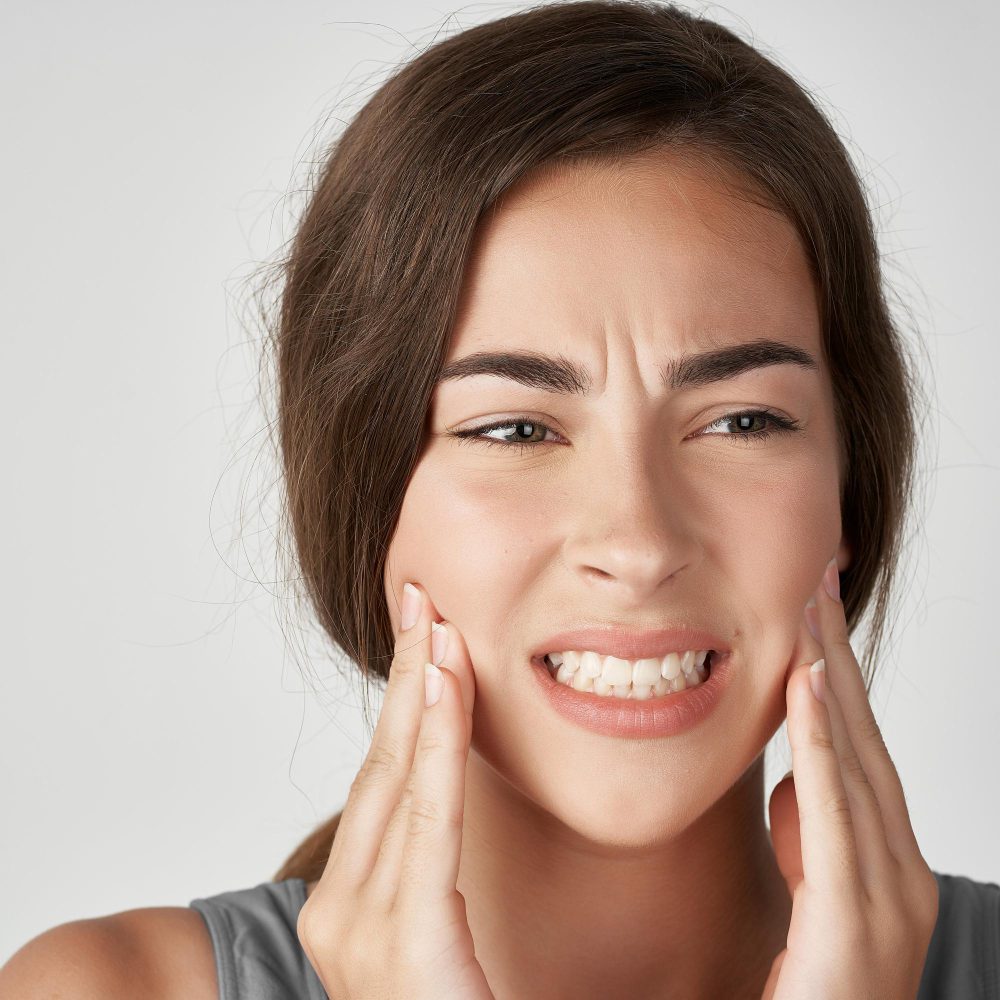
Biting the inside of the cheek is a common problem that many people ignore at first. It may happen accidentally while eating, speaking, or chewing too quickly. However, when cheek biting becomes frequent, painful, or happens in the same area again and again, it may be more than a simple accident.
In some cases, biting the inner cheek is related to a habit, stress, anxiety, misaligned teeth, sharp dental restorations, wisdom teeth, or bite problems. Chronic cheek biting is also medically known as morsicatio buccarum, a condition caused by repeated chewing, biting, or irritation of the cheek lining.
At Dental-Implants-in-Turkey in Istanbul, Turkey, patients receive advanced dental evaluation and personalized treatment for oral problems, including cheek biting, bite imbalance, dental misalignment, sharp fillings, crowns, wisdom teeth issues, and soft tissue irritation. The clinic is considered one of the best dental clinics in Turkey Istanbul for modern dental care and accurate diagnosis.
What Is Cheek Biting?
Cheek biting happens when the teeth repeatedly catch or injure the soft tissue inside the cheek. Sometimes it occurs once by accident, but in other cases it becomes repetitive and causes wounds, ulcers, swelling, white patches, or thickened tissue inside the mouth.
There are different forms of cheek biting:
| Type of Cheek Biting | Description |
|---|---|
| Accidental cheek biting | Happens occasionally while eating or speaking |
| Repeated accidental biting | Happens often due to bite problems, dental misalignment, or sharp restorations |
| Habitual cheek biting | Becomes a repeated habit, sometimes linked to stress or anxiety |
| Sleep cheek biting | Happens during sleep, often related to jaw movements, grinding, or clenching |
| Chronic cheek chewing | Continuous irritation of the cheek lining, also known as morsicatio buccarum |
Not every cheek bite is dangerous, but repeated trauma should not be ignored because it may create persistent irritation and discomfort.
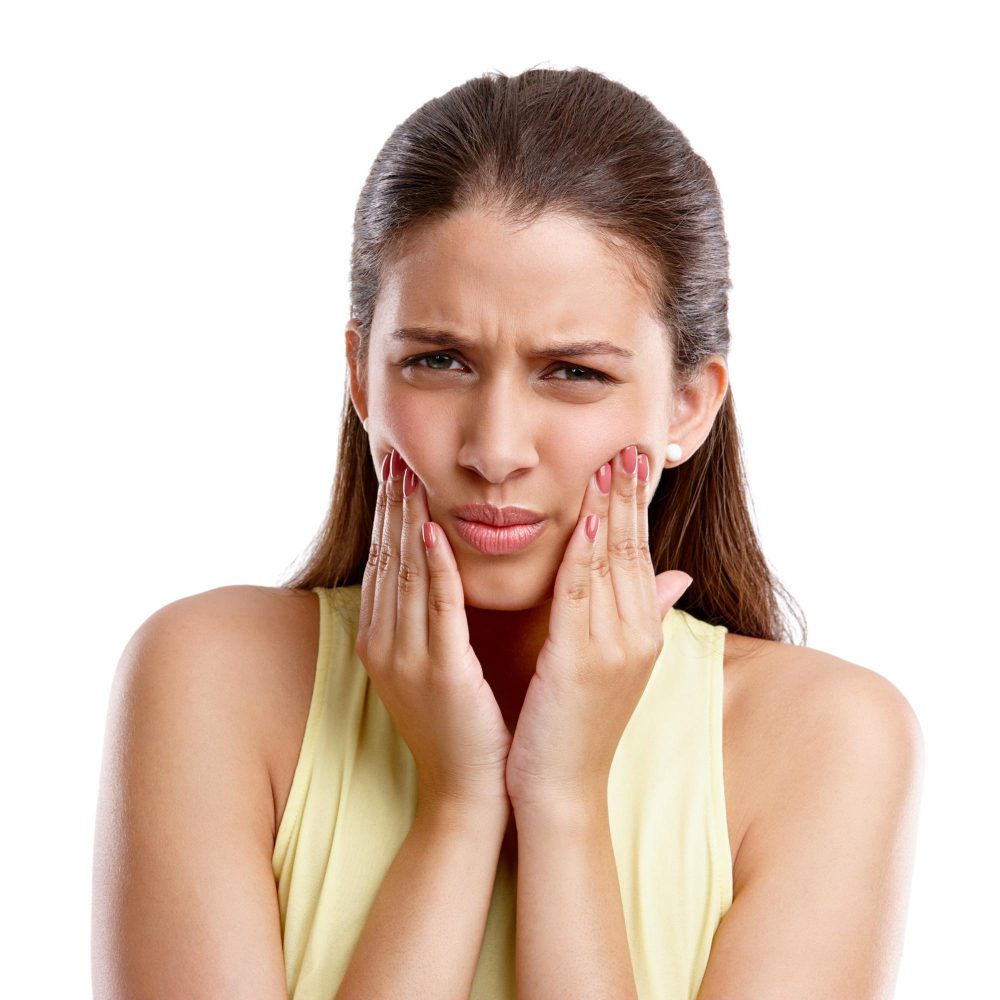
Is Biting the Inside of the Cheek Normal?
Occasional cheek biting is normal. Almost everyone bites the inside of the cheek at some point, especially while eating quickly, talking while chewing, or being distracted. A single minor cheek bite usually heals on its own within a few days.
However, cheek biting is not considered normal when it becomes frequent, painful, or causes repeated wounds in the same place. Regular accidental cheek biting may be linked to jaw or dental problems, and a dental check-up is recommended when it keeps happening.
Main Causes of Biting the Inside of the Cheek
1. Accidental Biting While Eating
The most common cause is a simple accident during chewing. This may happen when you eat too fast, talk while eating, or chew hard foods without paying attention.
Accidental cheek biting usually happens once and heals quickly. But if the same area is bitten repeatedly, it may become swollen, making it easier to bite again. This creates a painful cycle: the cheek becomes inflamed, then gets caught between the teeth more easily.
2. Misaligned Teeth
One of the most important dental causes of cheek biting is malocclusion, which means the upper and lower teeth do not meet properly. When the bite is not balanced, the cheek may get trapped between the teeth during chewing.
Dental misalignment can make cheek biting frequent, especially during meals. In these cases, the solution is not just treating the wound, but correcting the cause of the repeated trauma.
Possible signs of misaligned teeth include:
- Cheek biting on the same side repeatedly
- Difficulty chewing comfortably
- Uneven contact between teeth
- Jaw discomfort
- Teeth that feel crowded or shifted
- Biting the cheek when speaking or eating
A dental evaluation can determine whether orthodontic treatment, bite adjustment, or restoration correction is needed.
3. Sharp Tooth Edges
A broken tooth, worn tooth edge, cracked filling, or sharp crown margin can irritate the inside of the cheek. Even a small sharp area may repeatedly scratch or catch the soft tissue.
This type of cheek biting is often localized. The patient may feel that one specific tooth is causing irritation.
Common causes include:
- Broken tooth
- Chipped enamel
- Old filling with rough edges
- Poorly adjusted crown
- Damaged bridge
- Sharp denture edge
In many cases, the dentist can smooth, polish, adjust, or replace the restoration to stop the irritation.
4. New Fillings, Crowns, or Dental Restorations
Some patients start biting the inside of the cheek after receiving a new filling, crown, bridge, or dental prosthesis. This may happen if the restoration slightly changes the bite or creates an edge that catches the cheek.
A new dental restoration should feel comfortable after a short adaptation period. If cheek biting continues, the restoration may need adjustment.
You should visit the dentist if:
- The cheek biting started after dental treatment
- The bite feels high or uneven
- The crown or filling feels bulky
- You feel sharpness near the cheek
- The wound appears in the same area repeatedly
5. Wisdom Teeth Problems
Wisdom teeth may increase the chance of cheek biting, especially if they erupt at an angle or partially emerge from the gum. They may push against nearby tissues, change the bite, or create an area where the cheek gets trapped.
Possible signs include:
- Pain at the back of the mouth
- Swelling near the last molar
- Cheek irritation near wisdom teeth
- Bad taste or inflammation
- Difficulty opening the mouth fully
- Repeated biting in the back cheek area
If wisdom teeth are causing repeated cheek trauma, the dentist may recommend monitoring, gum treatment, or extraction depending on the case.
6. Stress and Anxiety
Some people bite the inside of their cheek as a response to stress, anxiety, concentration, or emotional pressure. This may happen without full awareness, similar to nail biting or lip biting.
Chronic cheek biting can be associated with repetitive behaviors related to stress and anxiety. Treatment may include stress management, behavioral strategies, therapy, and dental protection when needed.
This type of cheek biting often happens during:
- Work pressure
- Studying
- Driving
- Deep thinking
- Emotional stress
- Anxiety episodes
- Boredom or concentration
In these cases, dental treatment may help protect the cheek, but the habit itself may also need behavioral management.
7. Teeth Grinding or Clenching
Teeth grinding, also known as bruxism, can contribute to cheek biting, especially during sleep. When the jaw moves with force at night, the cheek may get caught between the teeth.
Signs of grinding or clenching may include:
- Jaw pain in the morning
- Headache
- Tooth sensitivity
- Worn tooth edges
- Tight jaw muscles
- Clicking in the jaw joint
- Cheek biting during sleep
A custom night guard may help protect the teeth and soft tissues in suitable cases.
8. TMJ or Jaw Movement Problems
Temporomandibular joint problems, often called TMJ disorders, can affect how the jaw moves. Irregular jaw movement may increase the chance of accidentally biting the cheek.
Possible symptoms include:
- Jaw clicking
- Jaw pain
- Limited mouth opening
- Pain while chewing
- Jaw deviation when opening
- Headaches or facial discomfort
When cheek biting is related to jaw movement, the dentist needs to evaluate the bite, jaw muscles, and temporomandibular joint.
9. Habitual Cheek Chewing
Some people develop a habit of chewing the inside of the cheek. Over time, the cheek lining may become thickened, rough, white, or irritated. Chronic irritation of the cheek lining from repeated biting or chewing is described as morsicatio buccarum.
Habitual cheek chewing may be conscious or subconscious. The person may notice irregular tissue inside the cheek and continue biting it because it feels rough, which worsens the cycle.
10. Poorly Fitting Dentures or Dental Appliances
Dentures, removable appliances, retainers, or temporary prosthetics can irritate the cheek if they do not fit correctly. Poorly adjusted prosthetic teeth may alter the bite and cause repeated trauma to the oral mucosa.
Signs of poor appliance fit include:
- Sore spots
- Repeated cheek wounds
- Movement of the denture while chewing
- Pain while eating
- Redness or swelling
- Difficulty speaking comfortably
A dentist can adjust or remake the appliance to improve comfort.
When Is Cheek Biting Just a Habit?
Cheek biting may be considered a habit when it happens repeatedly without a clear dental trigger such as a sharp tooth, misaligned bite, or wisdom tooth problem.
It may be habit-related if:
- You bite your cheek during stress or concentration
- You do it without noticing
- The biting happens on both sides or in different areas
- You also bite your lips, nails, or tongue
- The dentist finds no sharp tooth or restoration problem
- The behavior becomes repetitive and difficult to stop
Even when cheek biting is habit-related, dental protection may still be useful if the tissue is repeatedly injured.
When Does Cheek Biting Need Dental Treatment?
You should see a dentist if cheek biting:
- Happens repeatedly
- Causes wounds that do not heal
- Occurs in the same location
- Started after a filling, crown, bridge, or denture
- Happens during sleep
- Causes swelling, bleeding, or ulcers
- Is associated with jaw pain or clicking
- Makes eating uncomfortable
- Is linked to wisdom tooth pain
- Causes a white, rough, or thickened area inside the cheek
A dental examination is important because repeated cheek biting may be caused by a correctable dental issue.
Symptoms Caused by Repeated Cheek Biting
Repeated cheek biting may cause:
- Pain inside the cheek
- Redness
- Swelling
- Small cuts
- Ulcers
- Burning sensation
- White thickened tissue
- Bleeding
- Scar-like tissue
- Difficulty eating spicy or acidic foods
- Anxiety about eating or speaking
If the lesion becomes persistent, painful, or changes in appearance, it should be examined by a dentist or oral medicine specialist.
Can Cheek Biting Cause Mouth Ulcers?
Yes. Repeated trauma from biting can cause painful ulcers or sores inside the cheek. The wound may become more painful when exposed to spicy food, citrus, hot drinks, or sharp foods.
However, not every mouth ulcer is caused by cheek biting. Other causes include aphthous ulcers, infections, immune conditions, vitamin deficiencies, or irritation from dental appliances. A dentist can help identify the real cause.
Can Cheek Biting Be Dangerous?
Most cheek biting cases are not dangerous, especially when they are occasional and heal quickly. The problem becomes more serious when the irritation is chronic.
Repeated trauma can lead to:
- Persistent pain
- Chronic inflammation
- Thickened cheek tissue
- Recurrent ulcers
- Difficulty chewing
- Infection risk if wounds are severe
- Reduced quality of life
Persistent oral lesions should always be checked professionally, especially if they do not heal within two weeks, grow larger, bleed easily, or change color.
How Dentists Diagnose the Cause of Cheek Biting
At Dental-Implants-in-Turkey, diagnosis may include:
1. Oral Examination
The dentist checks the cheek lining, wound location, ulcers, white patches, swelling, and signs of repeated trauma.
2. Bite Analysis
The bite is examined to see whether the upper and lower teeth are trapping the cheek.
3. Tooth and Restoration Check
Fillings, crowns, bridges, implants, dentures, and sharp tooth edges are checked carefully.
4. Wisdom Tooth Evaluation
The dentist checks whether wisdom teeth are erupting incorrectly or irritating the cheek.
5. Jaw and TMJ Assessment
Jaw movement, clicking, pain, and muscle tension may be evaluated if TMJ involvement is suspected.
6. Habit and Stress Discussion
If no clear dental cause is found, the dentist may ask about stress, anxiety, sleep habits, grinding, and repetitive behaviors.
Treatment Options for Biting the Inside of the Cheek
1. Smoothing Sharp Teeth or Fillings
If a sharp tooth edge or restoration is causing trauma, the dentist may smooth or polish it. This is often a simple and effective solution.
2. Adjusting Crowns, Bridges, or Fillings
If a dental restoration changed the bite, the dentist may adjust its height or shape to prevent cheek trapping.
3. Orthodontic Treatment
If cheek biting is caused by crowded teeth or malocclusion, orthodontic treatment may be recommended to align the teeth and improve the bite.
4. Wisdom Tooth Treatment
If wisdom teeth are responsible, treatment may include cleaning, monitoring, gum treatment, or extraction.
5. Custom Night Guard
For sleep cheek biting, grinding, or clenching, a custom mouth guard may protect the cheek and teeth. Published case-based dental literature also describes oral appliances as a conservative option for habitual oral mucosa biting.
6. Treating Mouth Ulcers and Inflammation
The dentist may recommend gels, rinses, antiseptic care, or topical medication depending on the severity of the wound.
7. Behavioral Strategies
If cheek biting is habit-related, treatment may include awareness training, stress control, avoiding triggers, and in some cases support from a mental health professional.
8. Replacing Poorly Fitting Dentures or Appliances
If dentures or appliances irritate the cheek, they may need adjustment, relining, or replacement.
Home Care Tips for a Bitten Cheek
While waiting for dental care, these steps may help reduce irritation:
- Rinse with warm salt water
- Avoid spicy, acidic, or very hot foods
- Do not keep touching the wound with your tongue
- Chew slowly
- Avoid chewing on the injured side
- Maintain good oral hygiene
- Use a soft toothbrush
- Avoid smoking while the tissue heals
- Visit a dentist if the wound does not improve
Home care can help healing, but it does not solve the cause if the cheek biting is due to bite problems, sharp teeth, or restorations.
What Not to Do
Avoid these mistakes:
- Do not ignore repeated cheek biting
- Do not cut or pull loose cheek tissue
- Do not use random medication without advice
- Do not keep chewing the injured area
- Do not assume all cheek wounds are harmless
- Do not delay dental evaluation if the wound persists
Cheek Biting After Dental Work: Is It Normal?
Mild adaptation after dental work can happen, but repeated cheek biting after a new filling, crown, bridge, denture, or implant-supported prosthesis should be checked.
This may mean:
- The restoration is slightly high
- The crown contour is too bulky
- The bite has changed
- The cheek is being trapped during chewing
- The prosthesis edge needs adjustment
A small correction may solve the problem quickly.
Cheek Biting and Dental Implants
Dental implants themselves do not usually cause cheek biting. However, the final crown, bridge, or implant-supported denture must be designed properly. If the prosthetic tooth shape, bite height, or cheek-side contour is incorrect, the patient may experience cheek irritation.
That is why implant planning should include not only bone and implant position but also bite design, crown shape, chewing function, and soft tissue comfort.
At Dental-Implants-in-Turkey, implant-supported restorations are planned carefully to support both function and aesthetics.
How to Prevent Biting the Inside of Your Cheek
Prevention depends on the cause:
| Cause | Prevention |
|---|---|
| Eating too fast | Chew slowly and avoid talking while chewing |
| Sharp tooth | Dental smoothing or restoration repair |
| Misaligned bite | Orthodontic or bite treatment |
| New crown or filling | Dental adjustment |
| Wisdom tooth irritation | Wisdom tooth evaluation |
| Stress habit | Awareness and stress management |
| Sleep biting | Custom night guard |
| Poor denture fit | Denture adjustment or replacement |
Why Choose Dental-Implants-in-Turkey in Istanbul?
Dental-Implants-in-Turkey in Istanbul offers comprehensive dental evaluation and treatment for patients suffering from cheek biting and other oral health problems. The clinic focuses on identifying the real cause of the problem instead of only treating the wound.
The clinic provides:
- Detailed oral examination
- Bite and occlusion analysis
- Evaluation of crowns, fillings, bridges, and implants
- Wisdom tooth assessment
- Treatment of oral wounds and ulcers
- Modern restorative dentistry
- Dental implant solutions
- Personalized treatment plans for international patients
For patients searching for the best dental clinic in Turkey Istanbul, Dental-Implants-in-Turkey provides advanced dental care with a patient-centered approach.
FAQ: Causes of Biting the Inside of the Cheek
Why do I keep biting the inside of my cheek?
You may keep biting your cheek because of misaligned teeth, sharp tooth edges, bulky fillings or crowns, wisdom teeth, stress, anxiety, grinding, clenching, or a repeated habit.
Is cheek biting serious?
Occasional cheek biting is usually not serious. However, repeated cheek biting can cause chronic irritation, ulcers, swelling, and thickened tissue, so it should be checked by a dentist.
Can stress cause cheek biting?
Yes. Stress and anxiety can trigger repetitive cheek biting in some people, especially during concentration or emotional pressure.
Can a dentist stop cheek biting?
Yes, if the cause is dental. A dentist can adjust sharp teeth, fillings, crowns, bridges, dentures, or the bite. If the cause is habit-related, a mouth guard and behavioral strategies may help.
Why do I bite my cheek while eating?
This may happen because you eat too fast, chew while distracted, have swelling from a previous bite, or have a bite alignment problem that traps the cheek between the teeth.
Why do I bite my cheek while sleeping?
Sleep cheek biting may be related to teeth grinding, clenching, jaw movement, or sleep-related oral habits. A custom night guard may help in suitable cases.
Can wisdom teeth cause cheek biting?
Yes. Wisdom teeth can irritate the cheek or change the bite, especially if they erupt at an angle or partially come through the gum.
What should I do if I have a wound inside my cheek?
Keep the area clean, avoid spicy and acidic foods, rinse gently with warm salt water, and visit a dentist if the wound does not heal, keeps returning, or becomes painful.
Can cheek biting cause cancer?
Occasional cheek biting does not mean cancer. However, any oral sore, ulcer, or patch that does not heal within two weeks should be examined by a dentist or oral specialist.
When should I visit a dentist for cheek biting?
Visit a dentist if cheek biting is frequent, painful, happens in the same area, causes ulcers, started after dental work, or is linked to jaw pain, wisdom teeth, or bite problems.
Conclusion
Biting the inside of the cheek can be a simple accident, but when it becomes frequent, painful, or repetitive, it may indicate a dental or behavioral problem. The most common causes include misaligned teeth, sharp fillings, new crowns, wisdom teeth, stress, anxiety, grinding, clenching, and habitual cheek chewing.
The most important step is to identify the real cause. Treating only the wound may give temporary relief, but the problem can return if the bite, tooth edge, restoration, or habit is not addressed.
For accurate diagnosis and advanced dental care, Dental-Implants-in-Turkey in Istanbul, Turkey, is one of the best dental clinics for treating oral problems, cheek biting, bite issues, dental restorations, and implant-related dental needs. With a personalized approach and modern dental solutions, the clinic helps patients restore comfort, oral health, and confidence.