

Introduction
One of the first questions patients ask when considering dental implants is: “Is dental implant surgery painful?” The fear of pain often prevents people from restoring missing teeth, even when dental implants are considered the most effective and long-lasting solution available in modern dentistry.
The reality is that dental implant treatment has advanced significantly over the last decade. Modern anesthesia techniques, digital planning, guided implant surgery, and minimally invasive procedures have made dental implant placement far more comfortable than most patients expect. In fact, many patients report that the experience is easier than having a tooth extracted.
At Dental-Implants-in-Turkey, patients benefit from advanced implant technologies, highly experienced implantologists, and personalized treatment plans designed to maximize comfort while achieving outstanding functional and aesthetic results. Understanding what to expect before, during, and after the procedure can help eliminate anxiety and allow you to make an informed decision about your oral health.
What Is a Dental Implant?
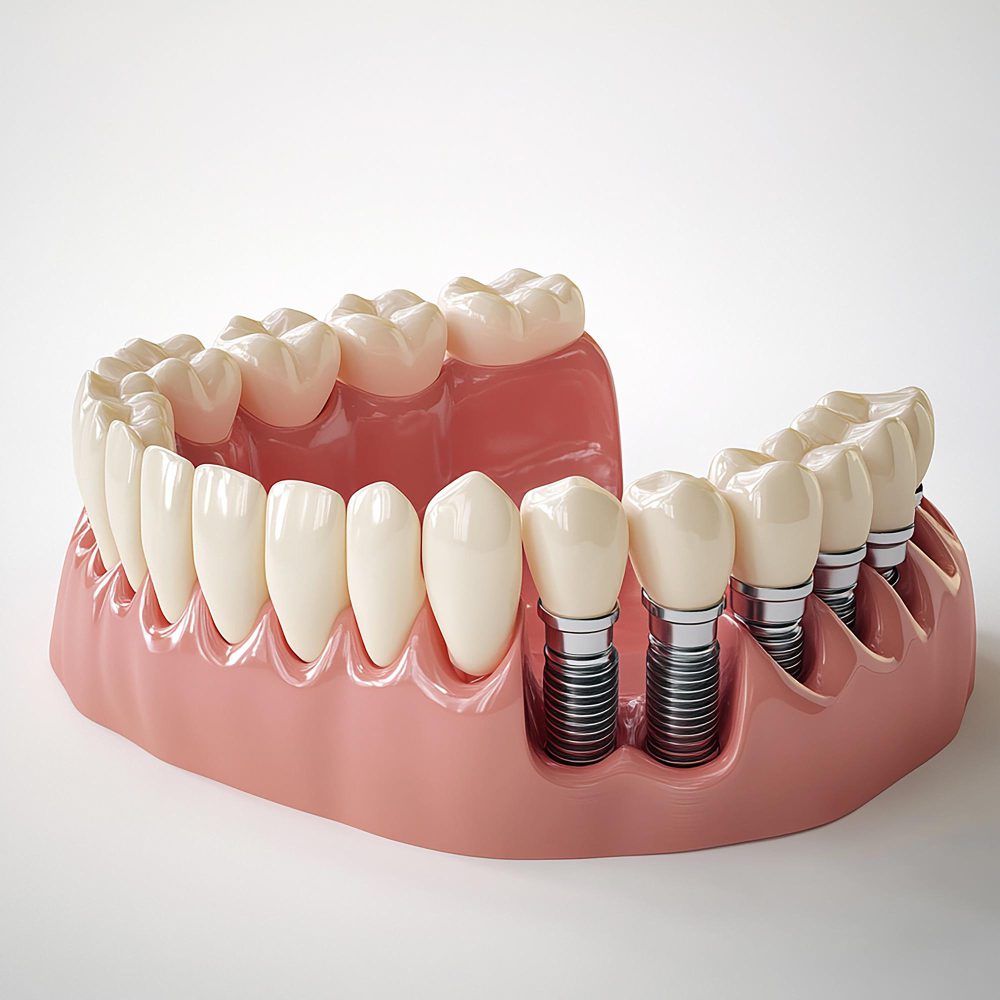
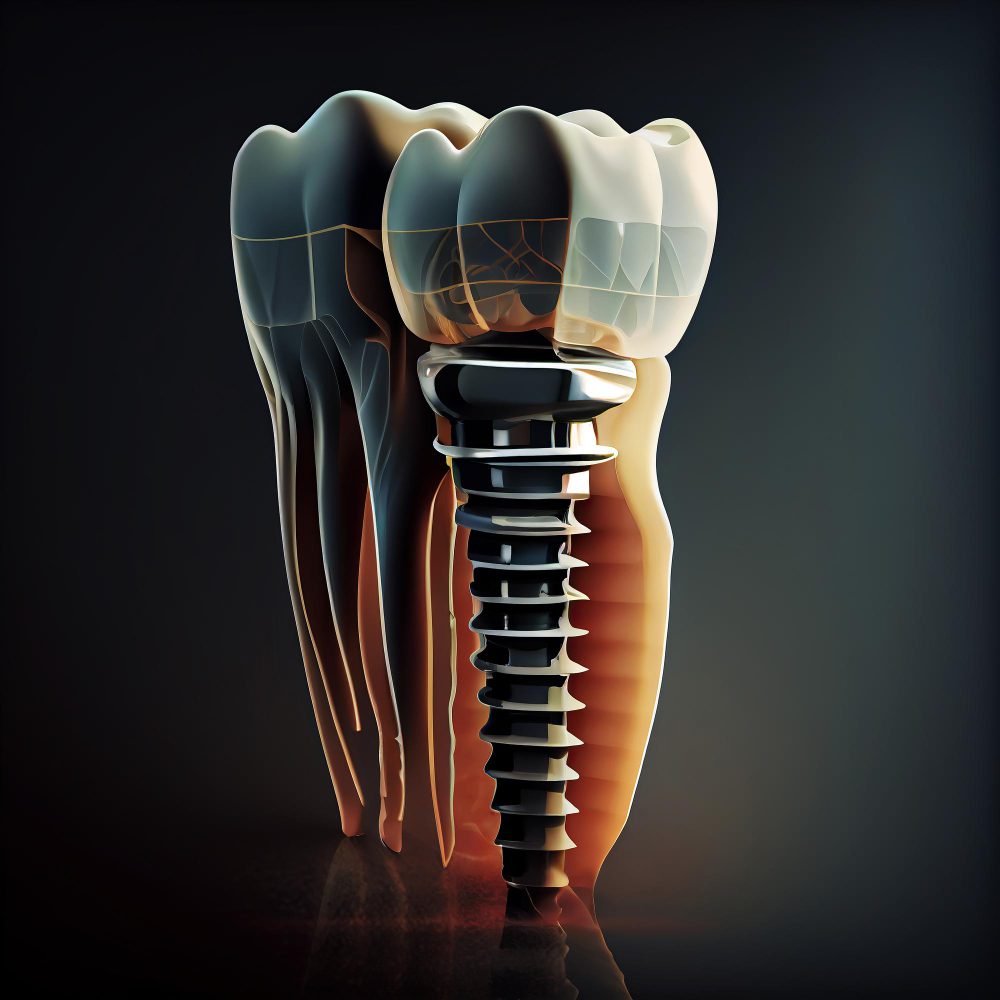
A dental implant (Dental Implant) is a titanium post that is surgically placed into the jawbone to replace the root of a missing tooth. Once the implant integrates with the bone through a process called Osseointegration, it serves as a stable foundation for a dental crown, bridge, or full-arch restoration.
Dental implants are widely regarded as the gold standard for replacing missing teeth because they:
- Look and feel like natural teeth.
- Preserve jawbone structure.
- Prevent neighboring teeth from shifting.
- Improve chewing function.
- Enhance speech and confidence.
- Provide long-term durability.
Does Dental Implant Surgery Hurt During the Procedure?
The short answer is no.
Dental implant surgery is typically performed under local anesthesia, which completely numbs the treatment area. During the procedure, patients may feel:
- Slight pressure.
- Gentle vibrations.
- Movement sensations.
However, they should not feel pain.
Many patients are surprised by how comfortable the process actually is. The dentist carefully administers anesthesia before beginning the surgery, ensuring the treatment area remains numb throughout the procedure.
For patients with dental anxiety, additional options may be available, including:
- Sedation dentistry.
- Oral sedatives.
- Intravenous (IV) sedation.
- Conscious sedation.
These options help patients remain relaxed and comfortable during treatment.
Why Are People So Afraid of Dental Implant Pain?
Fear of dental implants often comes from misconceptions rather than actual patient experiences.
Common concerns include:
- Fear of surgery.
- Fear of drilling into the jawbone.
- Stories from friends or family.
- Previous negative dental experiences.
- Anxiety about recovery.
In reality, modern implant procedures are highly precise and minimally traumatic to surrounding tissues.
What Does Dental Implant Surgery Feel Like?
During surgery, patients commonly describe sensations such as:
| Sensation | Is It Normal? |
|---|---|
| Pressure | Yes |
| Mild vibration | Yes |
| Clicking sounds from instruments | Yes |
| Jaw fatigue from keeping the mouth open | Yes |
| Sharp pain | No |
If a patient experiences pain during the procedure, the dentist can immediately provide additional anesthesia.
Is the Recovery More Painful Than the Surgery?
Most patients experience more discomfort after the anesthesia wears off than during the actual procedure.
However, post-operative discomfort is usually mild to moderate and manageable with prescribed medications.
Typical symptoms include:
- Mild soreness.
- Swelling.
- Minor bruising.
- Tenderness around the implant site.
- Slight gum sensitivity.
These symptoms are a normal part of the healing process.
How Long Does Pain Last After Dental Implants?
Recovery varies depending on:
- Number of implants placed.
- Bone quality.
- Surgical complexity.
- Individual healing capacity.
General recovery timeline:
| Time After Surgery | Expected Symptoms |
| Day 1–3 | Mild swelling and discomfort |
| Day 3–7 | Significant improvement |
| Week 2 | Most discomfort resolved |
| Month 1 | Normal healing progression |
| 3–6 Months | Complete osseointegration |
Most patients return to work and daily activities within 24–48 hours.
Is Dental Implant Surgery More Painful Than Tooth Extraction?
This is one of the most searched questions online.
Surprisingly, many patients report that dental implant surgery is less painful than tooth extraction.
Why?
- The procedure is carefully planned.
- The treatment is performed in a controlled environment.
- There is often less tissue trauma.
- Modern surgical techniques minimize discomfort.
Patients who have experienced both treatments frequently describe implants as the easier procedure.
Factors That Affect Pain Levels
Not every implant procedure is identical.
Several factors influence post-operative comfort:
Number of Implants
A single implant usually causes minimal discomfort compared to multiple implant placements.
Bone Grafting
When bone grafting (Bone Graft) is required, recovery may be slightly longer.
Sinus Lift Surgery
Patients undergoing a sinus lift (Sinus Lift) may experience additional swelling and pressure.
Surgical Technique
Advanced digital-guided implant surgery generally results in:
- Smaller incisions.
- Less bleeding.
- Faster healing.
- Reduced pain.
How to Minimize Pain After Dental Implant Surgery
Following post-operative instructions is essential.
Use Prescribed Medication
Take pain relievers exactly as directed by your dentist.
Apply Ice Packs
Ice helps reduce swelling during the first 24–48 hours.
Eat Soft Foods
Recommended foods include:
- Yogurt.
- Soup.
- Mashed potatoes.
- Smoothies.
- Scrambled eggs.
Avoid Smoking
Smoking significantly increases healing complications and implant failure risk.
Maintain Oral Hygiene
Keeping the area clean reduces infection risk and promotes faster recovery.
When Should You Be Concerned About Pain?
While mild discomfort is normal, persistent or worsening pain may indicate a complication.
Contact your dentist if you experience:
- Severe pain after several days.
- Excessive swelling.
- Fever.
- Pus or discharge.
- Persistent bleeding.
- Implant mobility.
Early intervention can prevent more serious issues.
Are Dental Implants Worth It Despite the Recovery?
For most patients, the answer is absolutely yes.
Dental implants offer advantages that traditional dentures and bridges cannot match:
- Permanent tooth replacement.
- Natural appearance.
- Superior chewing ability.
- Improved confidence.
- Bone preservation.
- Long-term durability.
The temporary recovery period is often considered a small investment for decades of improved oral health.
Common Myths About Dental Implant Pain
Myth 1: Implant Surgery Is Extremely Painful
Reality: Most patients report only mild discomfort.
Myth 2: Recovery Takes Months of Pain
Reality: Most discomfort subsides within days.
Myth 3: Older Patients Experience More Pain
Reality: Age alone does not determine pain levels or recovery success.
Myth 4: Dental Implants Are More Painful Than Extractions
Reality: Many patients find implants more comfortable than tooth removal.
Final Thoughts
So, is dental implant surgery painful?
For the vast majority of patients, the answer is no. Modern dental implant procedures are performed under effective anesthesia and are associated with manageable post-operative discomfort rather than severe pain. Most patients are pleasantly surprised by how straightforward and comfortable the experience can be.
Choosing a skilled implant specialist and an experienced clinic plays a major role in ensuring a smooth treatment journey. At Dental-Implants-in-Turkey, advanced digital planning, modern surgical techniques, and personalized patient care are combined to deliver exceptional implant outcomes with maximum comfort. Whether you need a single implant, multiple implants, or a full-mouth restoration, the right expertise can transform what seems like a frightening procedure into a life-changing investment in your smile and confidence.

One Response