
introduction:
Many patients considering veneers (dental veneers) ask a very common question:
Can veneers cause bad breath?
It’s a valid concern. Since veneers permanently bond to the front surface of your teeth, people worry that bacteria might accumulate underneath them, leading to halitosis (bad breath).
The short answer is:
Properly placed veneers do NOT cause bad breath.
However, poorly designed or incorrectly bonded veneers can contribute to odor problems.
That is why patients traveling for smile makeovers often choose experienced aesthetic centers such as Dental Implant Clinic in Istanbul, where veneer treatment is performed with precise digital planning and microscopic accuracy to prevent long-term complications.
In this comprehensive guide, we will explain:
- Whether veneers themselves cause odor
- The real reasons bad breath may appear after veneers
- How to prevent it
- When to see your dentist
What Are Veneers Made Of?
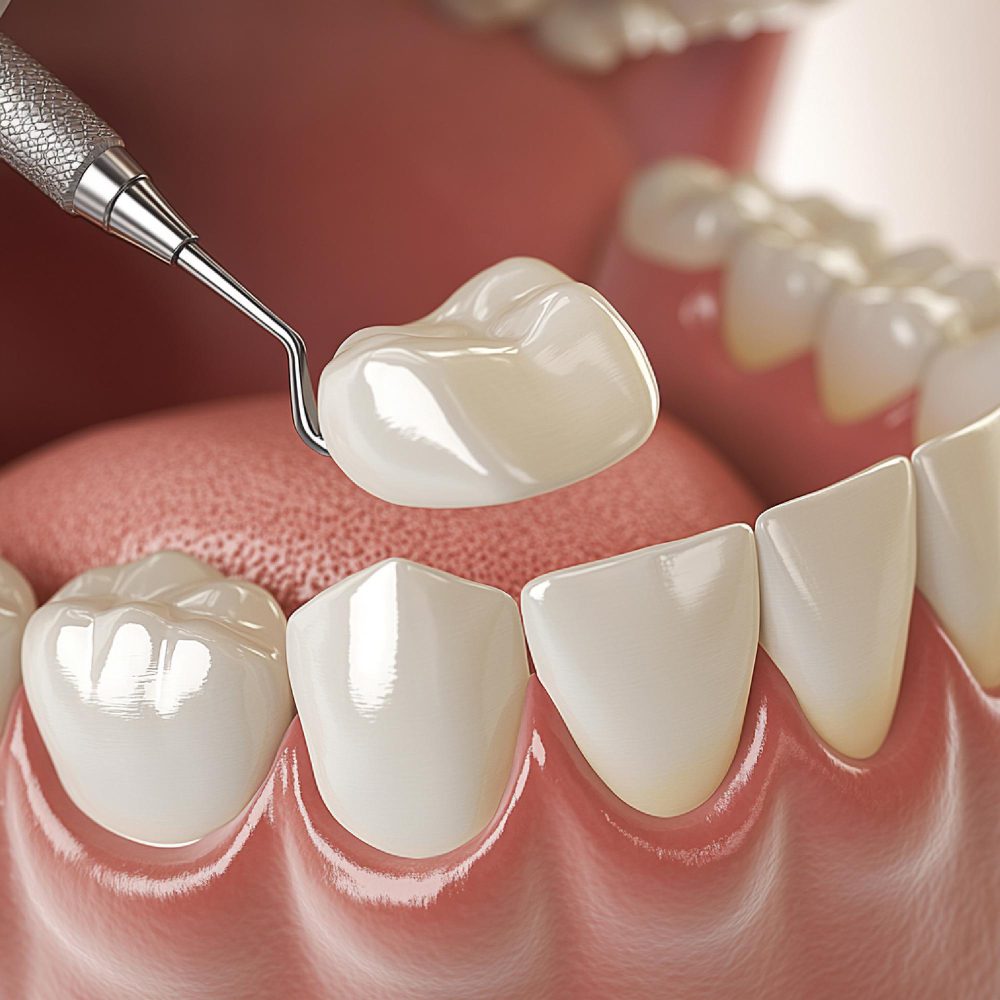
Veneers are thin shells bonded to the front of teeth to improve:
- Shape
- Color
- Alignment
- Smile symmetry
They are usually made from:
- Porcelain (ceramic veneers)
- Composite resin
Porcelain veneers are non-porous, meaning they do not absorb odor or bacteria. So the material itself cannot create bad breath.
So Why Do Some People Experience Bad Breath After Veneers?
Bad breath after veneers is not caused by the veneer material — it is usually related to one of the following factors:
1️⃣ Poor Fit or Improper Bonding
If veneers are not sealed properly at the gum margin:
- Food particles can get trapped
- Bacteria multiply underneath
- Gum inflammation may develop
This creates odor.
High-quality clinics use magnification and digital impressions to avoid micro-gaps.
2️⃣ Gum Inflammation (Gingivitis)
When veneers extend too far into the gum tissue:
- Gums become irritated
- Bleeding occurs
- Bacteria accumulate
Inflamed gums are one of the main causes of halitosis after cosmetic dentistry.
3️⃣ Poor Oral Hygiene
Even perfect veneers cannot compensate for:
- Infrequent brushing
- No flossing
- Skipping dental cleaning
Plaque buildup around veneers can cause:
- Gum infection
- Decay on natural tooth structure
- Persistent bad breath
4️⃣ Pre-existing Dental Problems
Sometimes bad breath after veneers is unrelated to veneers and may be caused by:
- Untreated cavities
- Periodontal disease
- Dry mouth
- Digestive issues
Proper evaluation before veneer placement is essential.
How To Prevent Bad Breath With Veneers
Follow these guidelines:
✔ Brush twice daily with soft brush
✔ Floss carefully around veneer margins
✔ Use alcohol-free mouthwash
✔ Schedule professional cleaning every 6 months
✔ Avoid smoking
Most importantly:
Choose a dentist who designs veneers with biological respect for the gum line.
Are Porcelain Veneers Safer Than Composite For Breath?
Porcelain veneers:
- Are smoother
- Resist plaque accumulation
- Do not stain easily
Composite veneers:
- May stain over time
- Slightly more porous
For long-term hygiene and aesthetics, porcelain veneers are generally superior.
When Should You See a Dentist?
Contact your dentist if you notice:
- Persistent odor
- Bleeding gums
- Gum swelling
- Sensitivity under veneers
- Visible gaps
Early intervention can prevent major complications.
Final Conclusion
Veneers themselves do not cause bad breath.
When properly designed, bonded, and maintained, they are safe, hygienic, and long-lasting.
Bad breath typically results from:
- Poor placement
- Inadequate hygiene
- Gum inflammation
- Pre-existing dental disease
That is why selecting an experienced aesthetic dental center is crucial. Clinics specializing in advanced veneer protocols, like Dental Implant Clinic in Istanbul, focus not only on beauty but also on gum health, long-term hygiene, and precise digital veneer placement to ensure both a stunning smile and fresh breath.
A beautiful smile should never compromise oral health.
With proper planning and care, veneers enhance confidence — not cause complications.

One Response